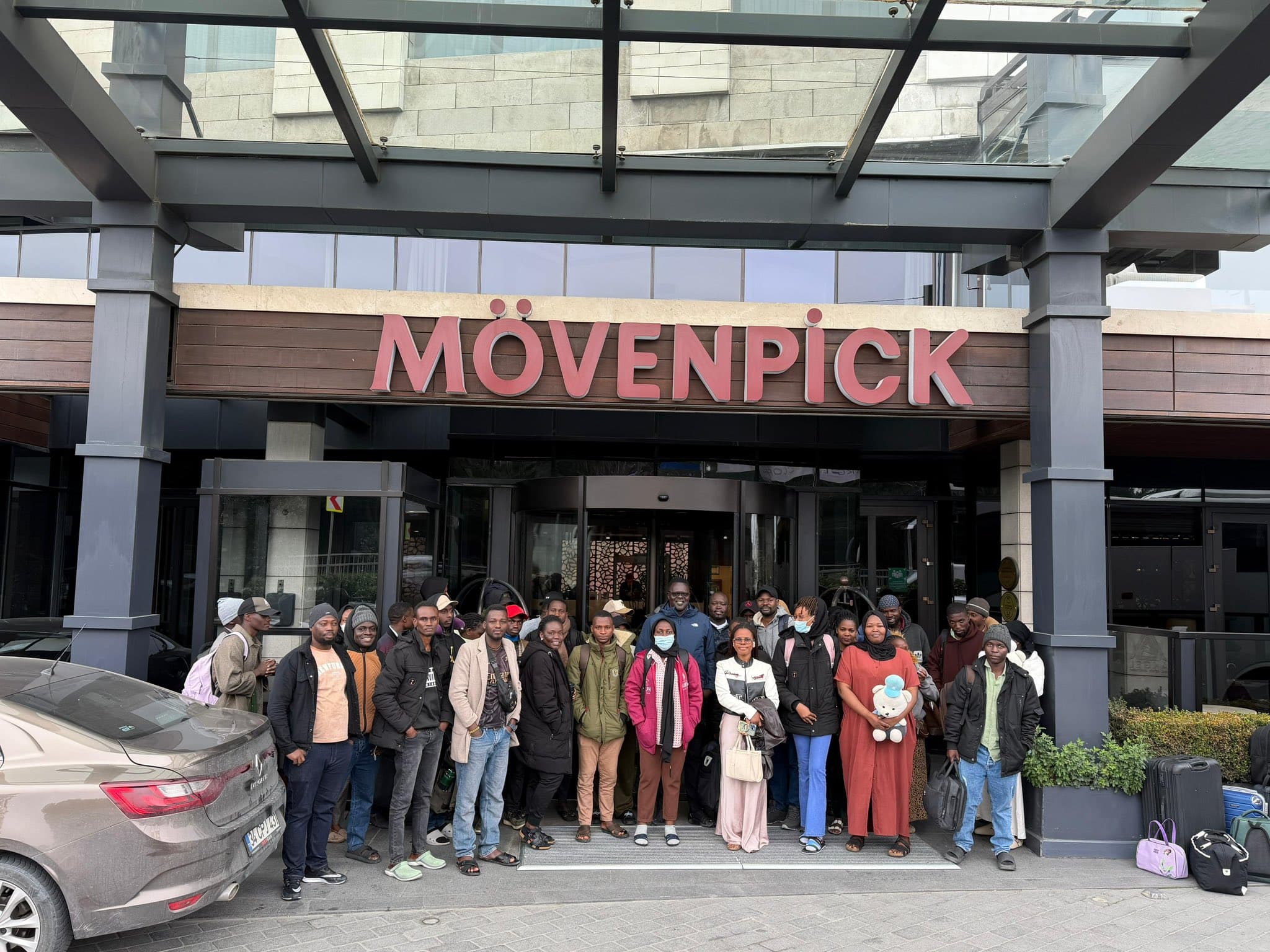
When the first missiles struck Tehran in late February 2026, a group of Ugandan students huddled in their dormitories, watching a conflict explode around them that they never expected to witness. Within days, a coordinated operation involving military attaches and diplomats would pull 43 of them to safety—but not before a harrowing 42-hour overland journey through active conflict zones.
The crisis erupted when coordinated airstrikes attributed to the US and Israel targeted Tehran, resulting in the death of Iran's Supreme Leader. For Ugandan students at Tehran's universities, including Ahlul Bayt International University, life turned from academic routine to survival mode overnight. Airspace closed. Explosions echoed through the capital.
On March 1, Uganda's embassy in Ankara received urgent evacuation requests from stranded students. With air travel impossible, the only route was overland to Turkey.
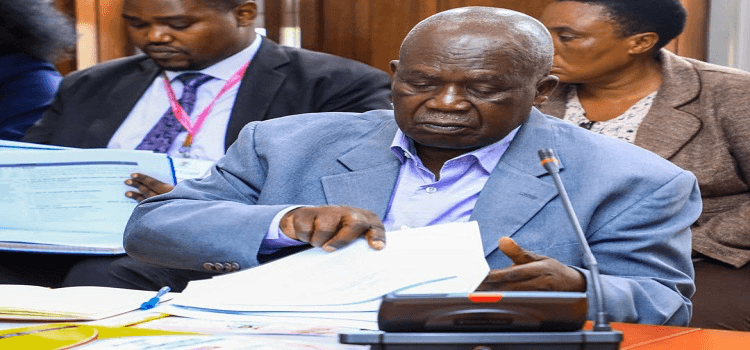
Uganda's Chief of Defence Forces, General Muhoozi Kainerugaba, together with the Ministry of Foreign Affairs, mobilized rapidly. At the center of ground operations was Major General Bob Ogiki, Uganda's Defence Advisor in Turkey.
The plan: assemble the students in Tehran and move them by road to the Turkish border before the situation deteriorated further.
The students loaded onto buses in Tehran for a 24-hour drive to the Gurbulak border post on the Turkey-Iran frontier. They passed through military checkpoints and areas of heightened activity, documents checked at every stop.
Meanwhile, the Ugandan Embassy in Ankara secured transit visas from Turkish authorities — without them, the students would have been stranded at the border.
At Gurbulak, officials from Uganda's Ankara mission received the exhausted group. But their journey wasn't over. They faced another 18-hour bus ride to Istanbul, where they finally rested at the Movenpick Hotel.
Meanwhile, the effort continues for others. Officials confirmed that 53 additional Ugandan students at Qom University remain in Iran, with ongoing efforts to bring them home.
Children minister Balaam Barugahara thanked President Museveni and Uganda's embassies for "successfully facilitating the return of our young people."
Uganda's "military model"—using the defence attaché network—proved highly effective compared to other African nations. While Ghana moved quickly and Kenya issued advisories, South Africa admitted evacuations were "currently impossible" due to airspace closures. Uganda's ability to pivot to overland evacuation demonstrated flexibility and commitment.
The students are expected to arrive at Entebbe International Airport on Thursday, March 5, 2026, at 1745 hours aboard Ethiopian Airlines.
For their families, the geopolitical implications matter less than the simple relief of knowing their children are safe.
For Major General Ogiki and the entire team, the sight of 43 young Ugandans stepping off buses in Istanbul, exhausted but alive, was the only measure of success that mattered. They carry home a story of survival and the knowledge that when crisis struck, their country came for them.