
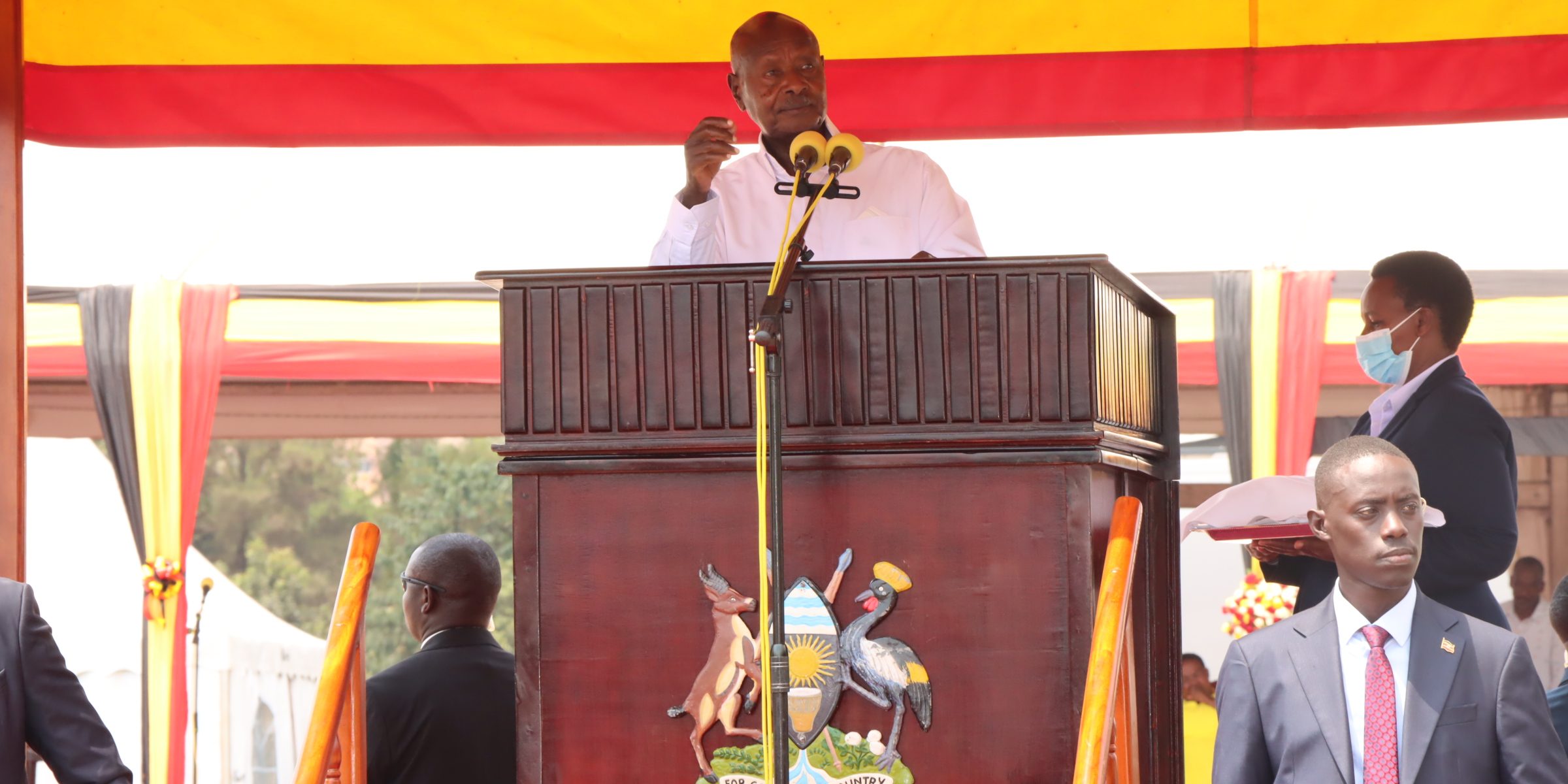
President Yoweri Kaguta Museveni has said Uganda’s economy is growing at about seven percent, crediting the progress to deliberate policies aimed at boosting domestic production and reducing dependence on imports.
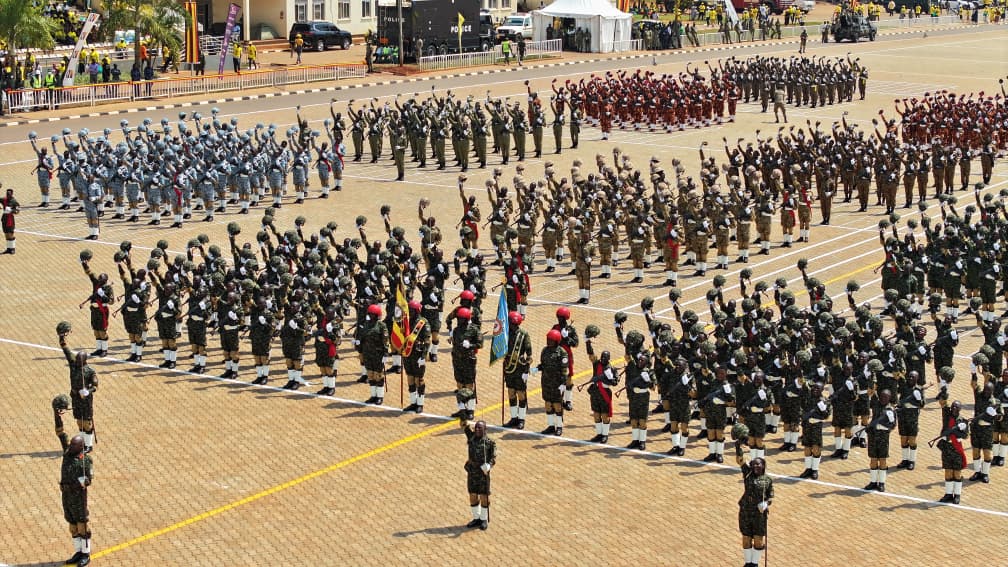
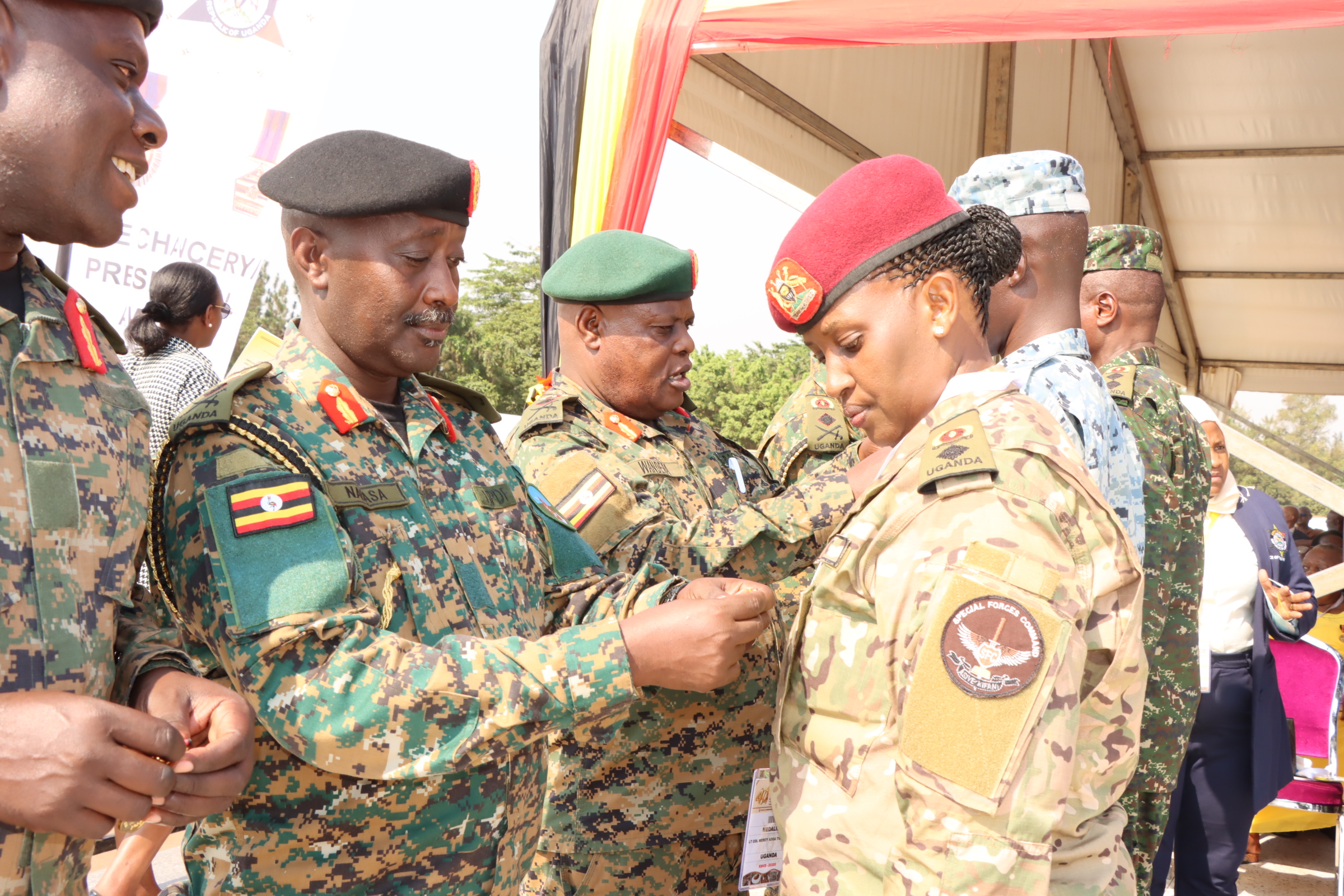
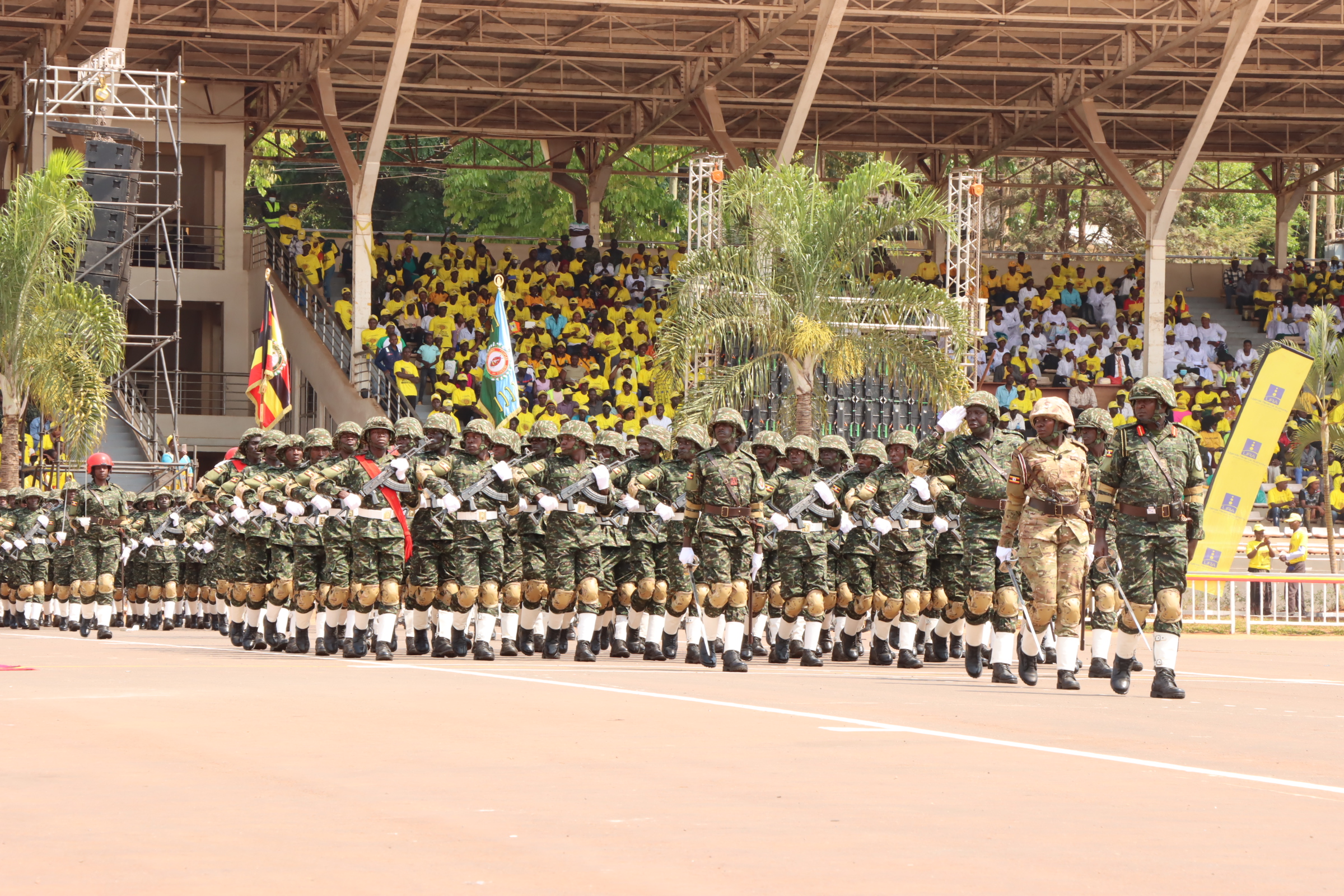
The President made the remarks on Monday 26th, January 2026 while addressing the nation during celebrations to mark the 40th Liberation Day at Kololo Ceremonial Grounds in Kampala. The event commemorated four decades since the National Resistance Movement and National Resistance Army took power, an era President Museveni described as a fundamental shift in Uganda’s political and socio-economic direction.
The function was held under the theme “Tribute to Our Patriots Who Ushered in the Fundamental Change”.
“Our economy is now growing at about seven percent, and Ugandan supermarkets are stocking almost 75 percent locally produced goods. In the past, it was nearly 100 percent imported,” President Museveni said.
The President said Uganda has made steady progress in transitioning to a money-based economy, noting that by 2019, 39 percent of households were still outside the money economy. He said this gap informed the introduction of the Parish Development Model to provide direct financial support to citizens.
“That is when I decided we should give money directly to the people,” he said, adding that while many beneficiaries had used the funds productively, some had misused them.
President Museveni emphasized that access to PDM funds must be inclusive and transparent, with decisions made through general parish meetings.
“PDM must be discussed in a meeting of the whole parish, especially for those who want to fight poverty, as long as he or she is above 18 years,” he said.
He announced plans to amend PDM guidelines to increase funding, particularly for urban areas.
“We are going to amend the rules, and more money will be added. In towns, between Shs 400 million and Shs 500 million will be allocated,” he said.
The President warned parish officials accused of undermining the programme, urging citizens to join parish SACCOs.
“Go and be members of the parish SACCO. Any parish chief who does not cooperate with this programme should be arrested,” he said, noting that some officials had already been detained for selfishness.
On corruption, President Museveni cautioned National Resistance Movement members involved in the misuse of PDM funds, saying they would be removed from leadership positions and required to refund the money. He reaffirmed the government’s zero-tolerance stance on corruption.
The President said government efforts remain focused on inclusive growth, with targeted support for unemployed university graduates and vulnerable groups.
“We want everyone to benefit from the economy, including graduates who have stayed unemployed for two years,” he said, citing interventions such as ghetto funds, road rehabilitation, expanded education access where possible, and improved health services.
He reiterated that agro-industrialisation, tourism, and value addition remain Uganda’s key development priorities, describing them as critical drivers of job creation and income growth.
“These are the sectors that will create jobs, raise incomes, and move more Ugandans into the formal economy,” he said.
Reflecting on the recently concluded elections in which he secured more than eight million votes, President Museveni expressed concern over low turnout among his supporters.
“We got eight million votes, but about six million of our supporters did not turn up. If they had come, there would be no opposition,” he said.
The Liberation Day celebrations were attended by government officials, Deputy Chief of Defence Forces Lt Gen Sam Okiding, Chief of Joint Staff Lt Gen Jack Bakasumba, senior and junior UPDF officers, religious and cultural leaders, and other dignitaries.