
President Yoweri Museveni has rejected a proposal to use Uganda’s foreign exchange reserves to support the weakening shilling, urging Ugandans to cut imports and buy local goods.
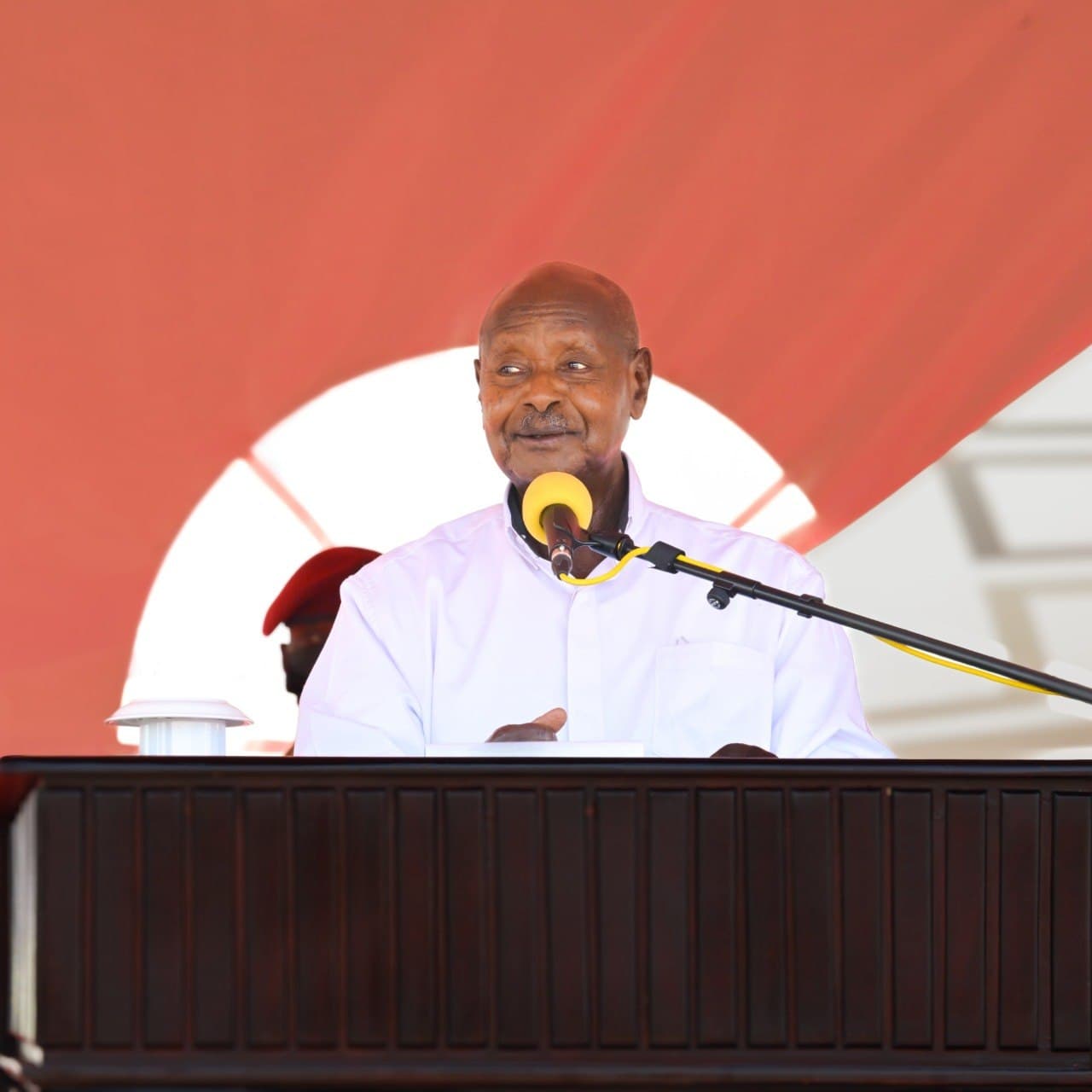
Speaking during his Independence Day address at State House Entebbe, Museveni said Bank of Uganda Governor Michael Atingi-Ego had proposed selling dollars from the country’s reserves to ease pressure on the currency.
“The governor was suggesting that he spends our dollar reserves to bring the dollar price down and I don’t agree with it. It is not correct to squander our dollars,” he said.
His remarks come as the shilling’s slide raises costs for importers. The currency has lost more than 11 per cent against the dollar this year.
On October 8, 2026, commercial banks quoted the dollar at about Shs4,090 buying and Shs4,100 selling. A week earlier, the rates stood at Shs3,960 and Shs3,970 respectively.
Demand for dollars from importers, energy companies and telecom firms continues to strain the shilling.
Museveni described the decline as temporary. He argued that exporters could gain because their dollar earnings now translate into more shillings. Importers, however, need more local currency to pay overseas suppliers.
The President put Uganda’s foreign exchange reserves at about $6 billion and opposed spending them to support imports he considers unnecessary.
“It is not correct to sell them to people who want to import perfumes and dead people’s hair,” he said.
“Please minimise the imports. This is the answer. Import less, and buy more local goods.”
Museveni linked the currency’s fall to higher global fuel prices, lower export earnings, reduced tourism receipts and investors moving money out of Uganda.
He cited conflict in the Gulf as a major driver of rising fuel costs. Uganda’s supply agreement with Vitol had cushioned consumers for several months, he said.
The arrangement followed a change in fuel procurement that reduced Uganda’s reliance on Kenyan middlemen.
“Vitol guaranteed to give us cheap fuel for some months thinking that the situation would settle down. But the situation has not settled down,” Museveni said.
He argued that Uganda could not expect the company to keep absorbing the cost while international prices remained high.
Lower coffee prices have also reduced dollar inflows, according to the President. He attributed the decline partly to improved production in Brazil.
Museveni also criticised investors who had shifted funds from Ugandan government securities to markets offering better returns.
“Those portfolio investors are quite opportunistic. They go where money is highest,” he said.
Bank of Uganda has attributed the depreciation to a stronger dollar, shifting global interest rates and investment flows, weaker export prices, and higher oil and shipping costs. Domestic demand for dollars has added pressure.
The central bank raised the cash reserve requirement to 13.5 per cent from September 24, 2026, tightening the supply of shillings. It has kept the Central Bank Rate at 9.75 per cent.
Bank of Uganda says market forces determine the exchange rate. Its intervention policy seeks to curb excessive volatility and maintain orderly trading rather than defend a fixed rate.
The bank also considers the main pressures behind the current depreciation largely temporary.