
By Ambassador Henry Mayega
The Parish Development Model (PDM), launched by President Yoweri Museveni’s administration, is transforming Uganda’s fight against poverty. Designed to move subsistence households into the money economy, PDM aims to uplift 17.5 million Ugandans across 3.5 million households by promoting wealth creation and employment at the parish level.
President Museveni has been touring the country to assess the program’s impact firsthand. His findings highlight significant progress in key areas, including agricultural value chains, infrastructure development, financial inclusion, social services, mindset change, and governance reforms.
Boosting Agricultural Value Chains
One of PDM’s core pillars is strengthening agricultural value chains by enhancing production, storage, processing, and marketing. For years, Uganda struggled with supply chain inefficiencies, limiting access to regional and international markets. The model removes bottlenecks to ensure consistent agricultural output, supporting Uganda’s economic and commercial diplomacy (ECD) efforts to expand trade.
Infrastructure to Support Growth
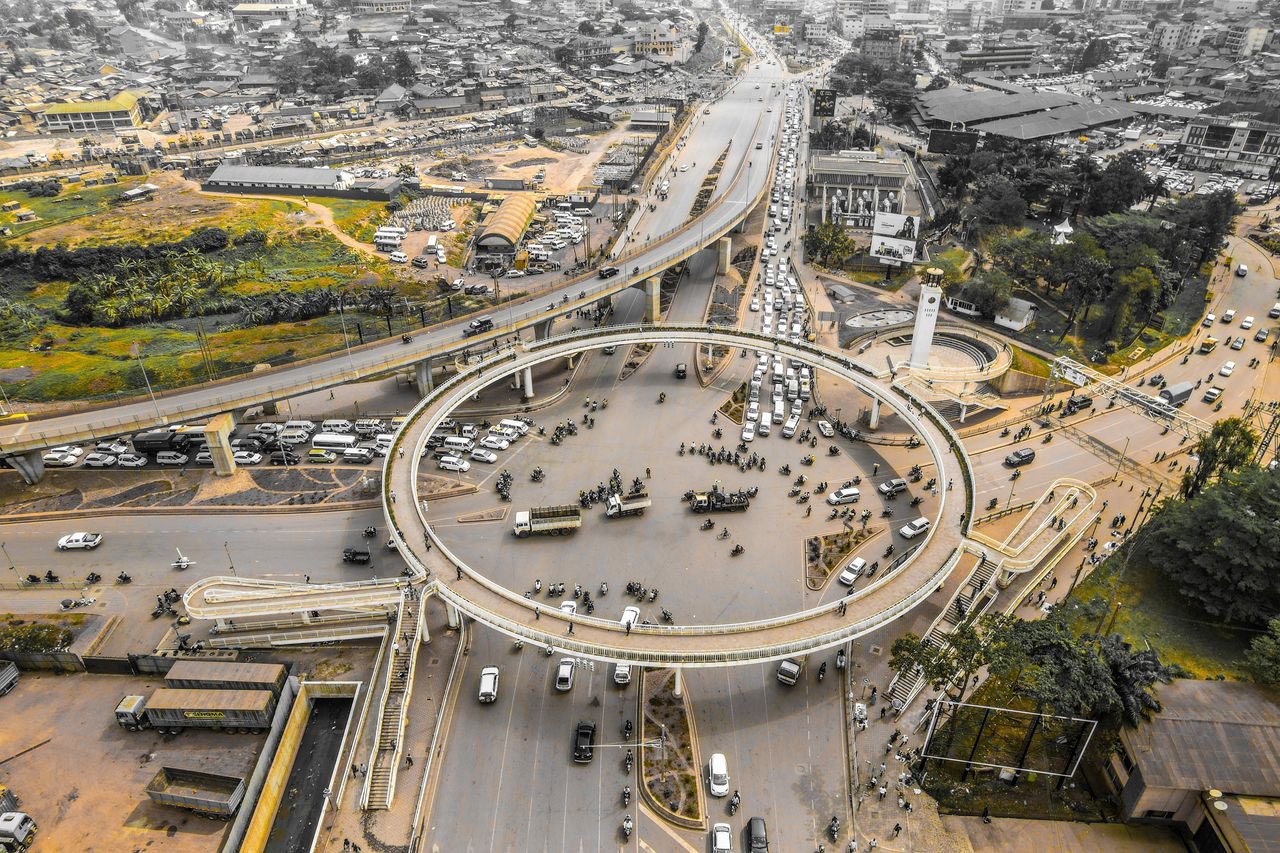
The government has heavily invested in infrastructure and economic services to support the agricultural sector. Since 1986, the administration has expanded Uganda’s paved road network from 1,000 km to nearly 10,000 km, improving access to markets. Although security challenges between 1986 and 2005 diverted some resources, infrastructure development remains a top priority.
Financial Inclusion and Economic Empowerment
Financial inclusion is another key component of PDM. In FY 2023/24, Parliament allocated Shs 1,097.6 billion to the program, with Shs 1,594 billion designated for the Parish Revolving Fund. This fund supports 10,594 PDM SACCOs across 176 local governments and Kampala Capital City Authority (KCCA), with each SACCO receiving Shs 100 million annually to fund income-generating enterprises.
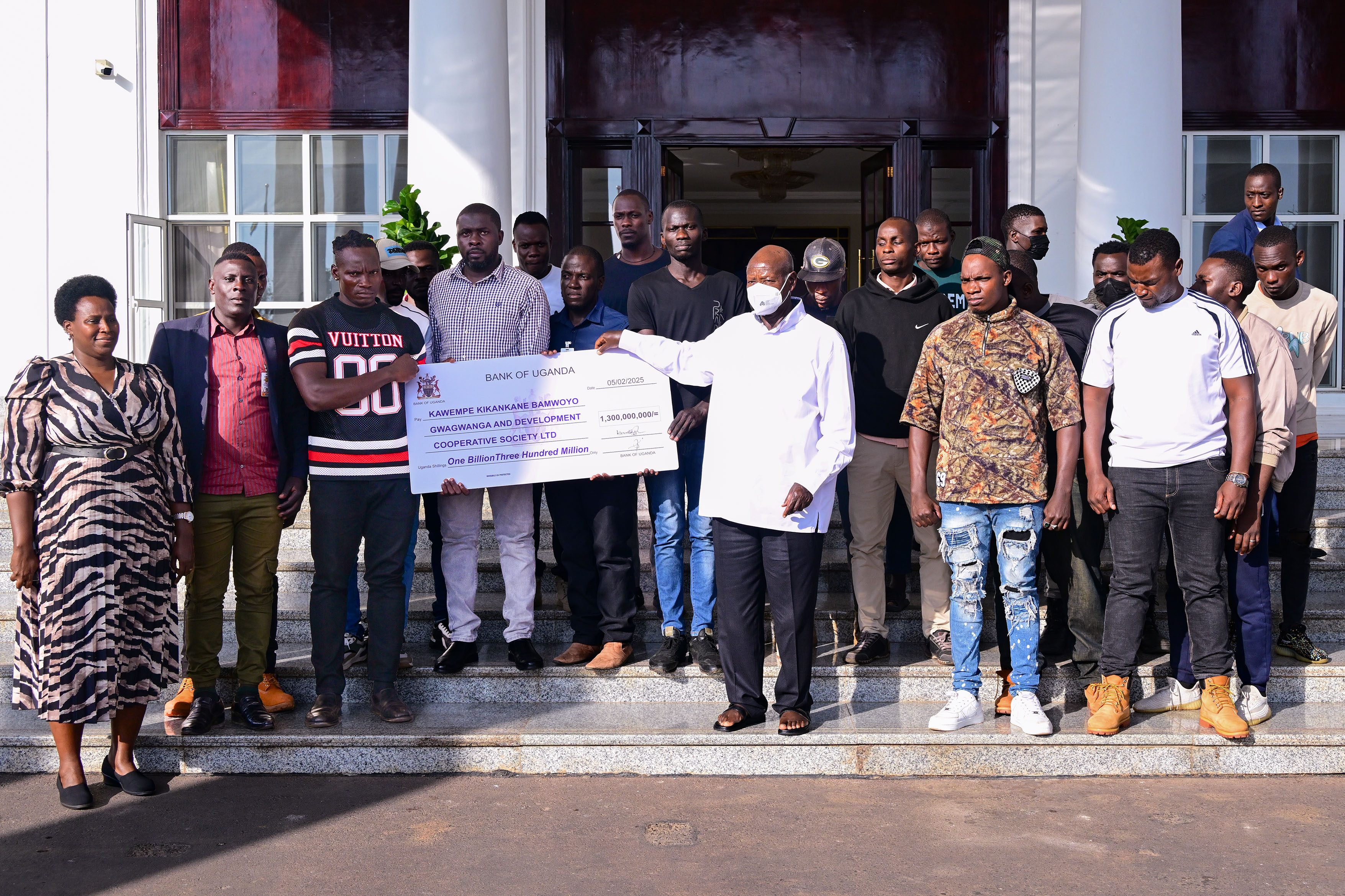
By improving access to credit, PDM boosts disposable income and reinvestment opportunities, helping communities achieve economic stability.
Enhancing Social Services
PDM integrates social service delivery into its structure, addressing education, healthcare, housing, food security, job training, disability support, elderly care, family assistance, and mental health services. These efforts ensure that citizens can become self-reliant while improving their quality of life.
Mindset Change and Community Mobilization
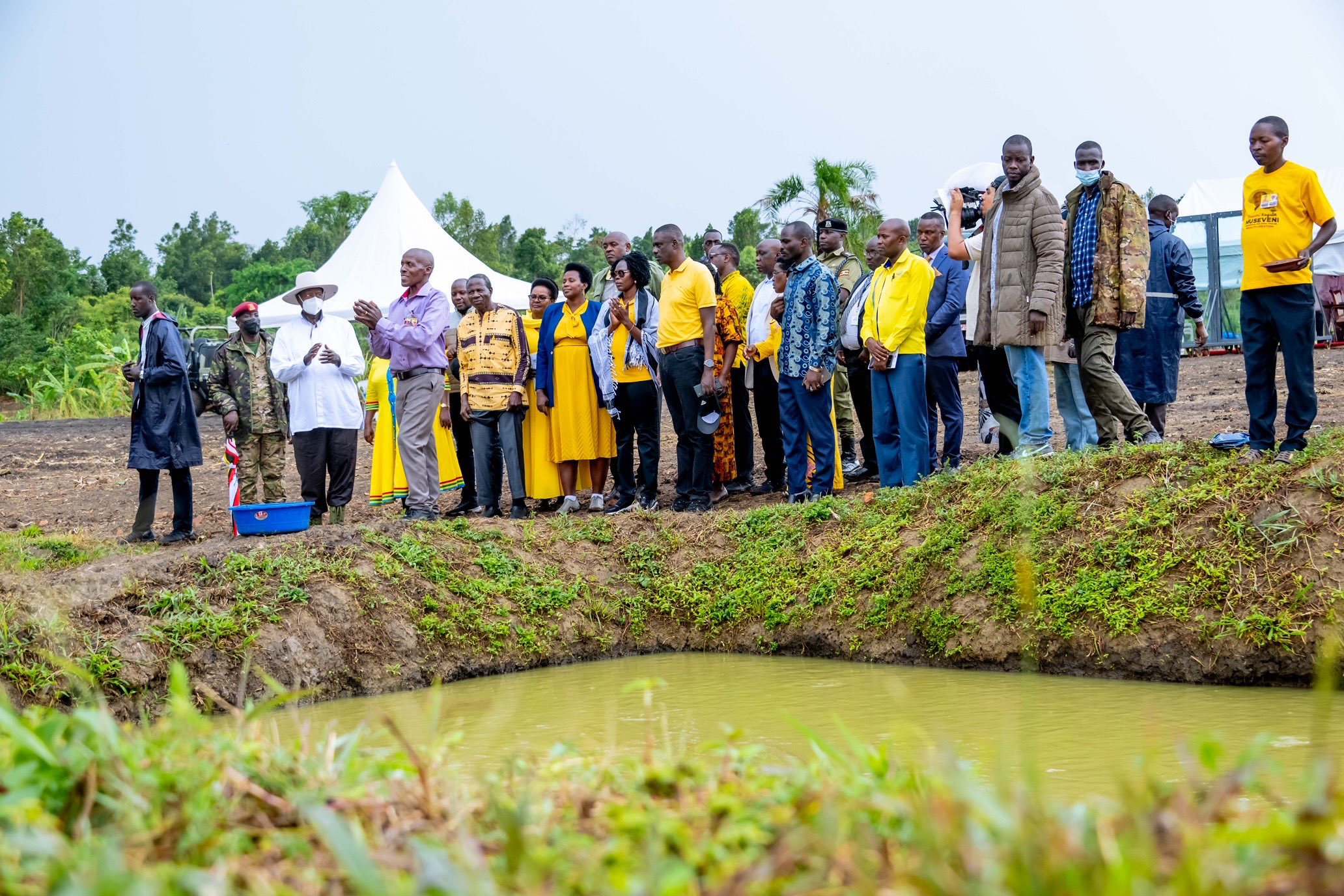
A key aspect of PDM is community mobilization and mindset change. President Museveni has been touring the country to engage with citizens, evaluate progress, and direct government officials to implement corrective measures where needed. His hands-on leadership sets him apart from other politicians, reinforcing his commitment to grassroots development.
Strengthening Governance and Digital Systems
PDM is also enhancing governance and administration through the Parish Development Management Information System (PDMIS). President Museveni has emphasized the importance of digital record-keeping and modern accounting systems to improve efficiency and ensure accountability in program implementation.
Conclusion
The Parish Development Model is proving to be a game changer in Uganda’s economic transformation. By addressing agriculture, infrastructure, finance, social services, mindset change, and governance, the initiative is creating a sustainable pathway out of poverty for millions of Ugandans.
With continued government commitment and community participation, PDM has the potential to reshape Uganda’s economic landscape for generations to come.