
The government has allocated Shs2.07 trillion to the energy sector for the 2026/27 financial year to fast-track major hydropower assets, expand grid connectivity to rural industrial hubs, and launch early preparatory civil works for the nation's premier nuclear power plant.
The extensive energy vote was detailed on Thursday afternoon by the newly appointed Finance Minister, Henry Musasizi, during the reading of the Shs84.3 trillion national budget at the Kololo Ceremonial Grounds. The financial blueprint heavily shifts the country's utility priorities toward scaling generation, expanding domestic transmission corridors, and securing regional fuel infrastructure.
Minister Musasizi stressed that creating an affordable, reliable, and highly stable electrical grid remains the primary enabler for sustainable rural industrialization and broader socio-economic transformation.
Uganda's current installed electricity generation capacity stands at 2,098 megawatts. However, the state has set an aggressive long-term developmental target of 52,482 megawatts to cope with the country's upcoming graduation from the Least Developed Countries (LDC) category and the introduction of downstream petrochemical industries.
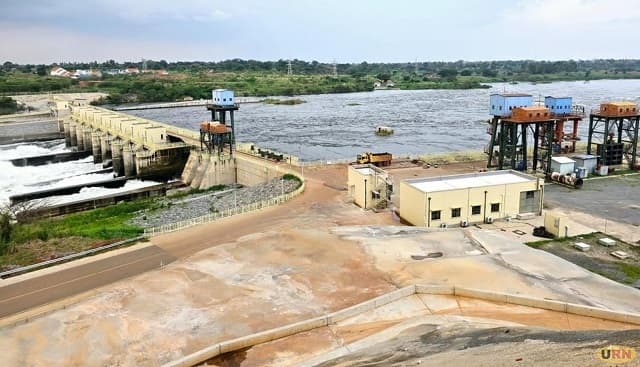
To begin closing this gap, the upcoming budget funds the commencement of the 380-megawatt Kiba hydro-electricity plant alongside innovative renewable energy projects. These include a floating solar installation at the Isimba dam site and 500 megawatts of utility-scale solar arrays mapped across the Elgon and Acholi sub-regions.
“Reliable and affordable energy remains central to industrialisation and socio-economic transformation,” Finance Minister Henry Musasizi stated during the executive presentation.
The resource allocation caters directly to the early stages of the nation's nuclear energy strategy, financing technical site preparations and safety reviews at the designated Buyende nuclear site. Additionally, the ministry reported substantial progress on critical heavy-voltage transmission networks. Ongoing grid construction includes the 132kV Kole-Gulu-Nebbi-Arua line to stabilize power across the West Nile region, the 400kV Karuma-Tororo transmission corridor, and high-capacity dedicated substations servicing industrial parks in Mbale, Kapeeka, and the Kabalega Petrochemical Industrial Park.
On rural accessibility, Musasizi revealed that the proportion of rural households connected to grid electricity has nearly doubled in three years, jumping from 6.8 percent in FY2021/22 to 11.4 percent in FY2024/25.
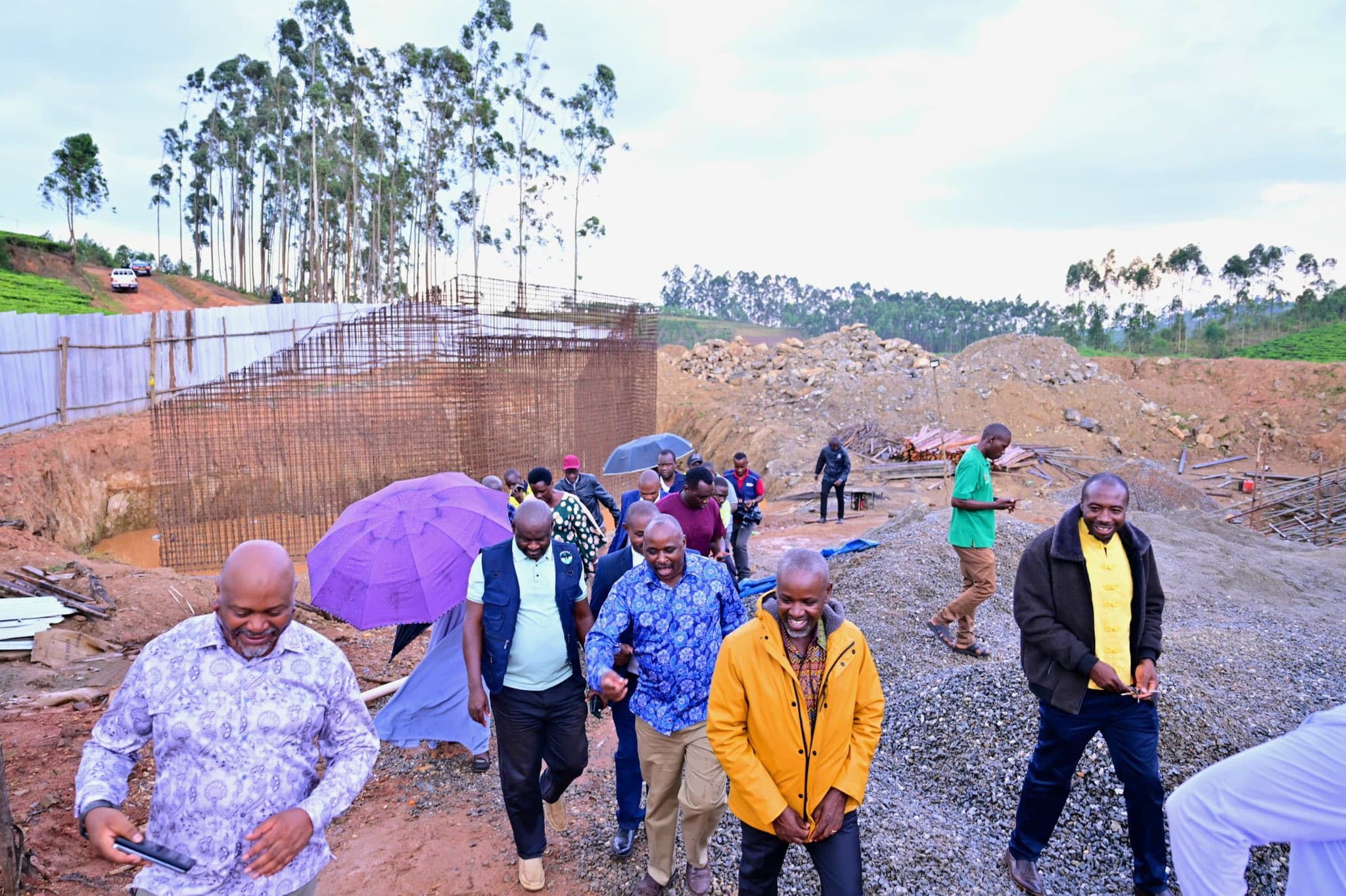
Through the Uganda Energy Credit Capitalisation Company, the state has broke ground on four mini-hydro power sites totaling 5 megawatts, which are on track for a March 2027 completion to serve hard-to-reach, remote border areas. Furthermore, the multi-agency Electricity Access Scale-up Project has successfully delivered 419,592 clean, off-grid solar kits to deep-rural communities.
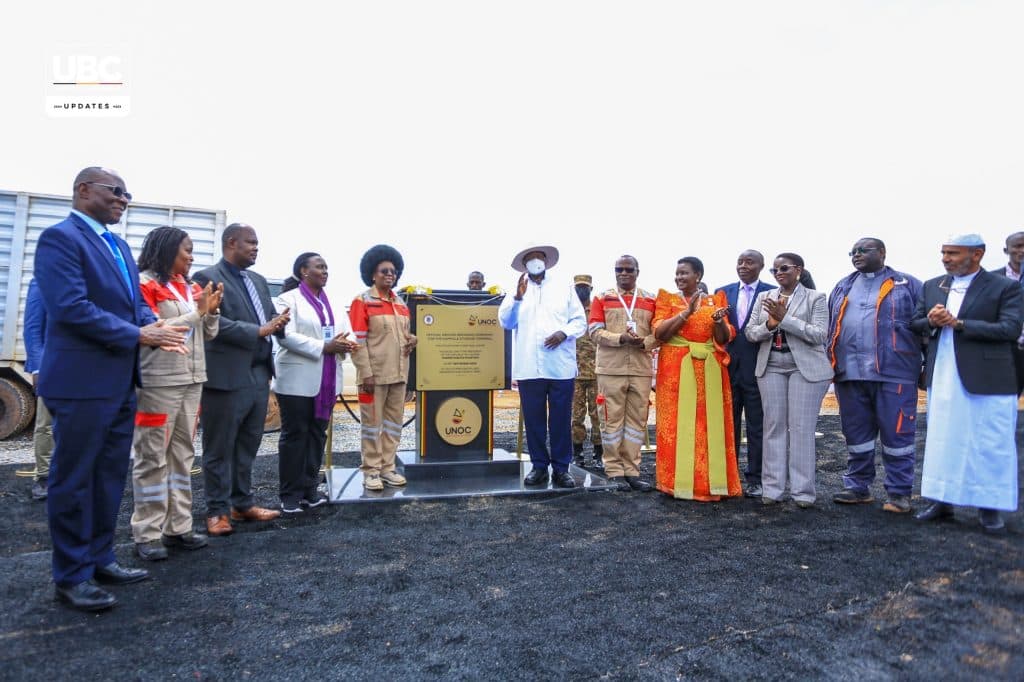
The energy budget addresses petroleum import security to protect the local market from global energy supply shocks. The state-run Uganda National Oil Company (UNOC) will utilize the upcoming budget to advance bulk fuel procurement logistics. To anchor long-term supply resilience, Musasizi announced that UNOC has successfully acquired a 20.15 percent equity stake in the Kenya Pipeline Company. This cross-border investment is intended to secure Uganda’s fuel supply lines, given that more than 95 percent of the country's refined petroleum imports pass directly through the Kenyan transport corridor.