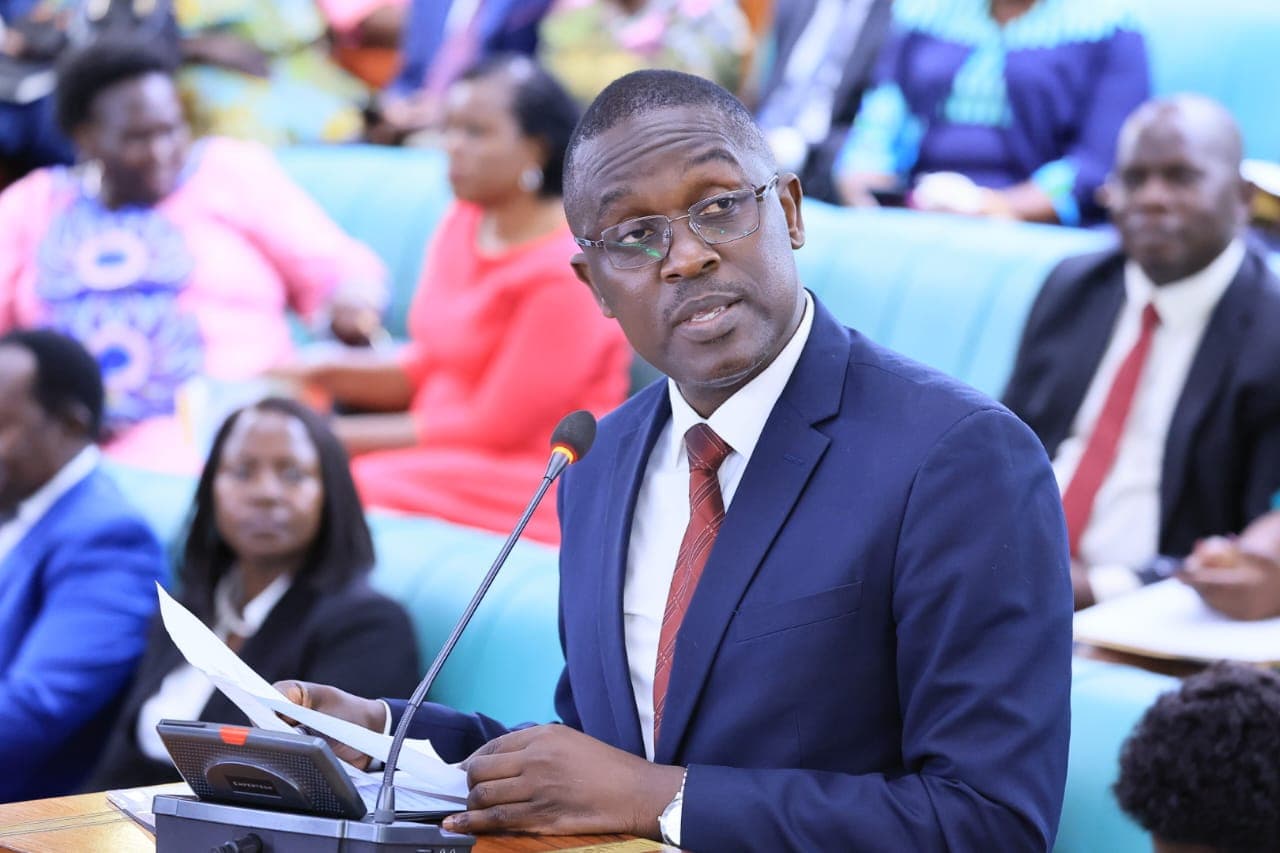
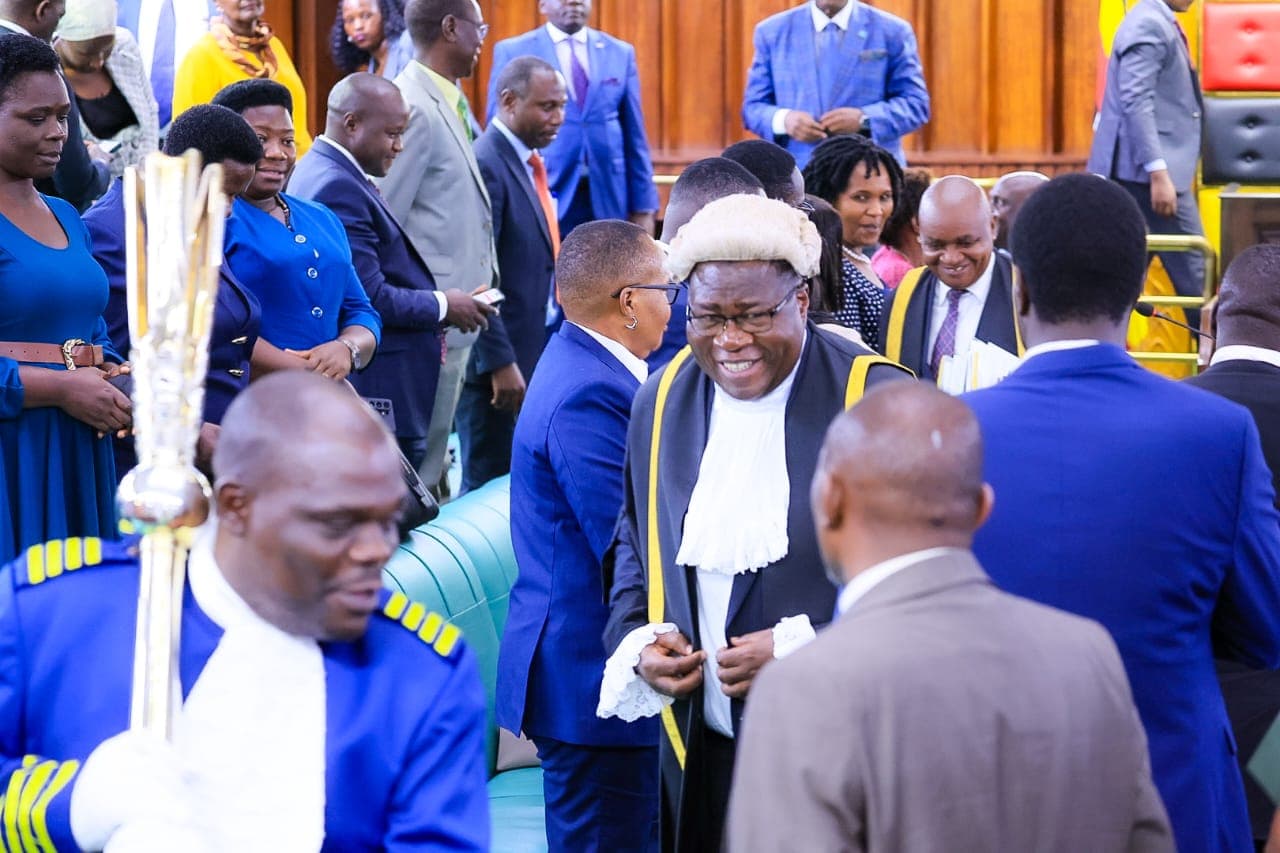
Speaker Jacob Marksons Oboth has halted enforcement of Uganda’s charcoal trade ban pending a government statement on the restrictions and the availability of affordable alternative cooking fuels.
Oboth issued the directive while chairing Parliament’s plenary sitting on Wednesday, October 14, 2026, ordering the Minister for Energy and Mineral Development to brief the House on the ban and progress in promoting alternative energy sources.
The restrictions stem from Presidential Executive Order No. 3, issued on May 19, 2023, which prohibits charcoal burning and trade in West Nile, Northern Uganda, Karamoja and the Teso sub-region.
“Government should come next Wednesday and update us on this ban, and tell us the extent of the performance by the ministry in promoting alternative energy sources,” Oboth said.
He directed that enforcement be suspended until the minister presents the statement, citing the practical difficulties enforcement officers could face.
“For between now and Wednesday, let us first suspend the enforcement. I do that not because I support charcoal, but because I am aware of how difficult it is going to be for the enforcers,” he said.
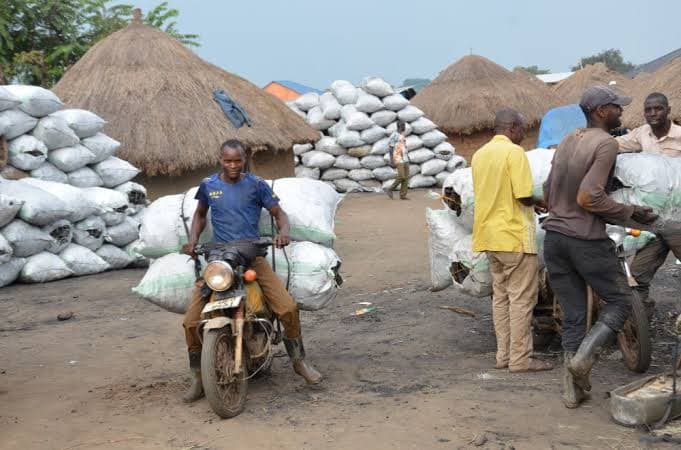
MPs question readiness for charcoal ban
The directive followed concerns raised by the Leader of the Opposition in Parliament, Hon. Joel Ssenyonyi, who said the announcement of the ban’s enforcement had caused public alarm.
Ssenyonyi cited a 2024 Uganda Bureau of Statistics survey indicating that between 87 and 94 per cent of Ugandans use charcoal and firewood.
He questioned whether the government had made cleaner cooking alternatives sufficiently affordable before moving to enforce the restrictions.
“How aggressively are we making it possible for ordinary persons to access alternative sources of energy? This directive was issued three years ago, but what has government done to avail these alternatives cheaply to Ugandans before we can heavily crack the whip?” Ssenyonyi asked.
Hon. Cohen Amanya (NRM, Igara County West) also questioned the legality of the ban and called for enforcement to remain suspended until Parliament enacted a law on the matter.
“In the meantime, let the status quo be maintained until the minister comes with a statement,” Amanya said.
Government promotes alternative cooking fuels
The Minister of State for Energy and Mineral Development (Minerals), Hon. Phiona Nyamutooro, told Parliament that the government was promoting liquefied petroleum gas (LPG), electric cooking, ethanol and biogas as alternatives to charcoal and firewood.
She said the government had introduced a specific electricity tariff for cooking to encourage households to adopt electric cooking.
Nyamutooro added that LPG would be produced from the Tilenga and Kingfisher oil projects, which the government hopes will improve access to cooking gas.
“As part of oil and gas production, LPG will be produced from both Tilenga and Kingfisher projects. We hope that this will help in improving the access to clean gas,” she said.
She said the ministry was also distributing LPG cylinders and accessories free of charge to encourage adoption, while its Clean Cooking Unit continued to sensitise the public about gas safety and address cultural barriers to its use.
However, Ssenyonyi questioned the reach of the interventions, putting public uptake of LPG at two per cent. He argued that receiving a free cylinder does not resolve the affordability challenge because many households cannot afford subsequent gas refills.
Government proposes phased approach
The Government Chief Whip, Hon. Jane Ruth Aceng, said implementing the restrictions required coordination among several government agencies and would therefore need a phased approach.
She said the government would engage the Ministry of Energy through the office of the Leader of Government Business to develop a way forward.
“We cannot stop it outright, so we will have dialogue through the office of the Leader of Government Business with Ministry of Energy, to map a way forward to addressed it step by step,” Aceng said.
The government is expected to return to Parliament the following Wednesday with an update on enforcement of the ban and progress in making alternative cooking energy more accessible.