
Uganda and the African Union Commission have intensified efforts to turn the Kampala CAADP Declaration into investment, practical action and measurable results in the country’s agrifood sector.
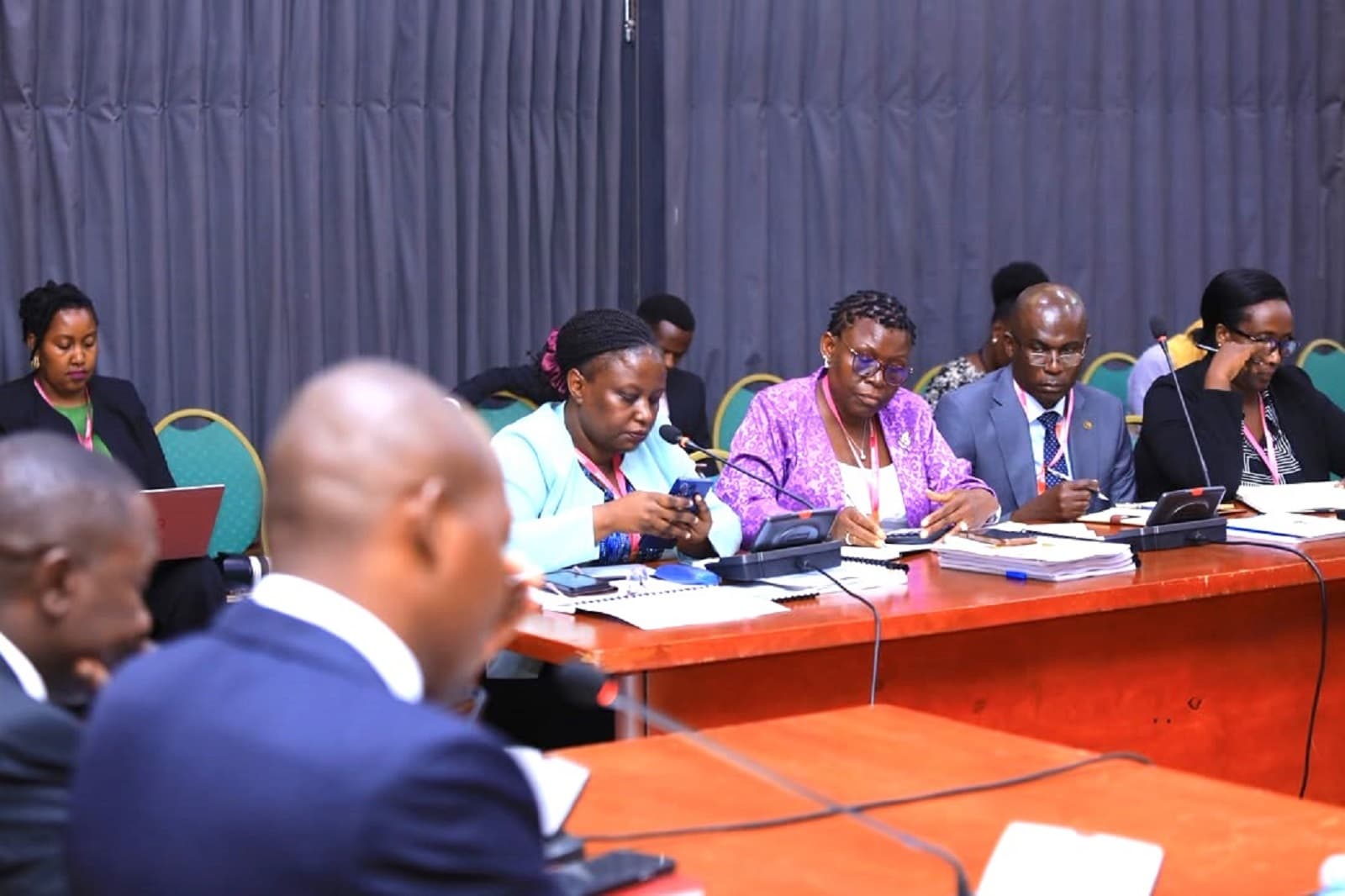
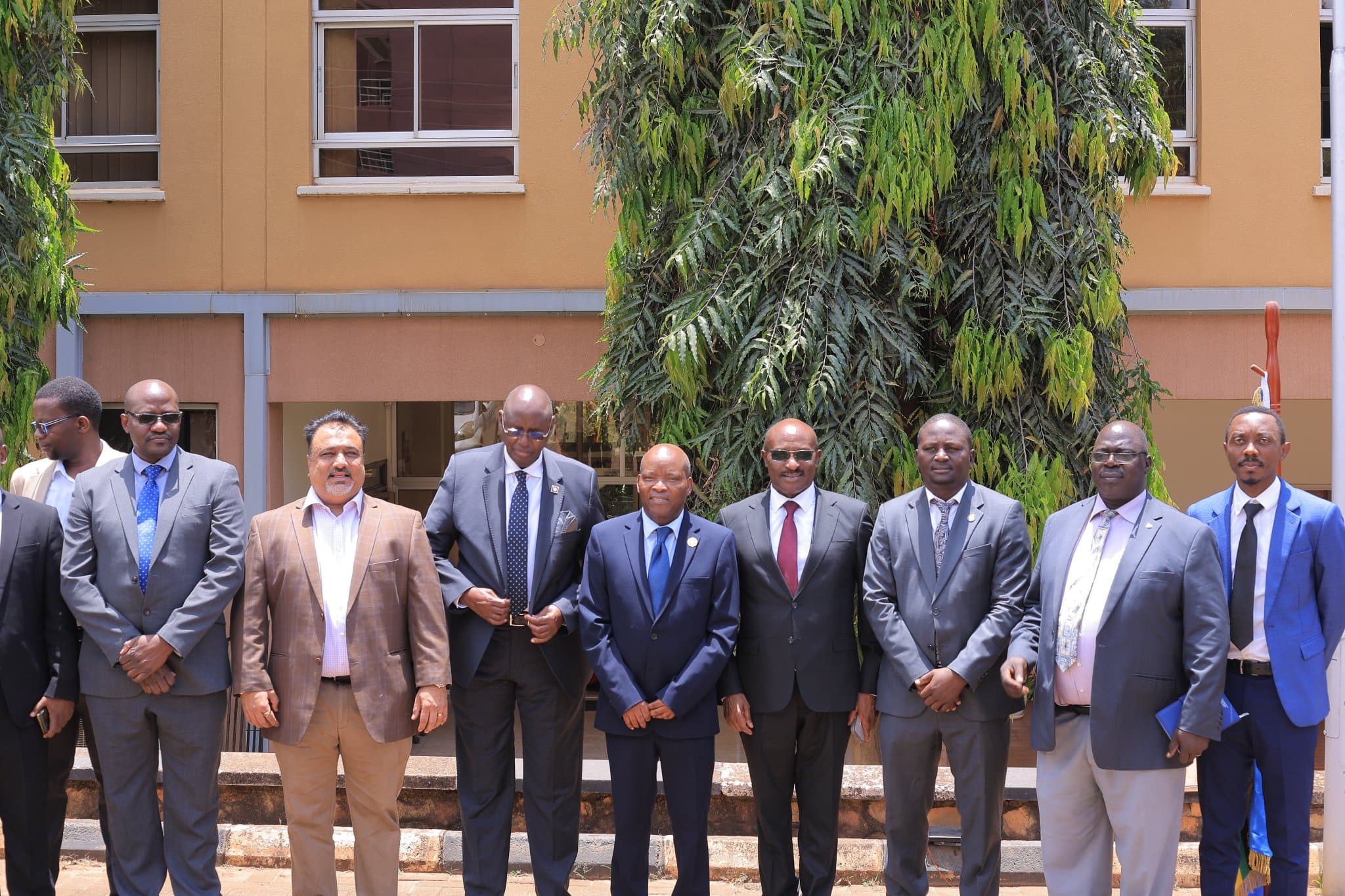
Government officials, African Union representatives and other stakeholders met at Cotton House in Kampala on Wednesday, September 9, 2026. They reviewed Uganda’s progress, identified implementation barriers and agreed on priorities under the CAADP Strategy and Action Plan 2026–2035.
Moses Vilakati, the African Union Commissioner for Agriculture, Rural Development, Blue Economy and Sustainable Environment, led the AU delegation. State Minister for Animal Industry Bright Rwamirama led the Ugandan team.
Uganda hosted the Extraordinary African Union Summit in January 2025, where African leaders adopted the Kampala Comprehensive Africa Agriculture Development Programme Declaration. The agreement seeks to speed up the transformation of the continent’s agrifood systems.
Vilakati said African countries must now move from discussions to implementation.
“Our major challenge as Africa has not necessarily been a lack of discussions. The problem has been implementation,” he said.
Uganda plans to build on programmes covering food and nutrition security, quality seed, soil health, irrigation and mechanisation. The country will also prioritise livestock, fisheries, aquaculture, agro-processing, value addition and market access.
Rwamirama said these interventions placed Uganda in a strong position to meet its CAADP commitments.
“When we put all the interventions together, we are up to the task of fulfilling the requirements of the CAADP Strategy,” he said.
He called for cooperation across government ministries and agencies.
“Government has taken a clear direction that ministries should not work in isolation or in silos,” Rwamirama said.
Trade, Industry and Cooperatives Minister Sanjay Tana said Uganda now meets much of its domestic food demand while supplying regional and international markets.
“Today, we are not only self-sufficient in many of these products, but we are also feeding the region and exporting to other parts of the world,” Tana said.
He said Uganda must now focus on agro-processing, branding, value addition and access to global markets.
“The challenge before us is no longer simply how to feed ourselves. The challenge is how to sustain this growth,” he said.
State Minister for Labour, Employment and Industrial Relations Simon Mulongo said agricultural transformation must create jobs for young people and women.
“You cannot address food production without skills, skilled manpower, empowered labour and technology. These elements must work together,” Mulongo said.
The African Union’s 100-Day Rolling Plan will support immediate interventions in soil mapping, fertiliser systems, climate-resilient seed and irrigation. It will also cover fisheries, aquaculture, post-harvest management, investment and the participation of women and young people.
The dialogue is expected to help Uganda define the responsibilities of government institutions, attract investment and establish mechanisms for tracking progress.