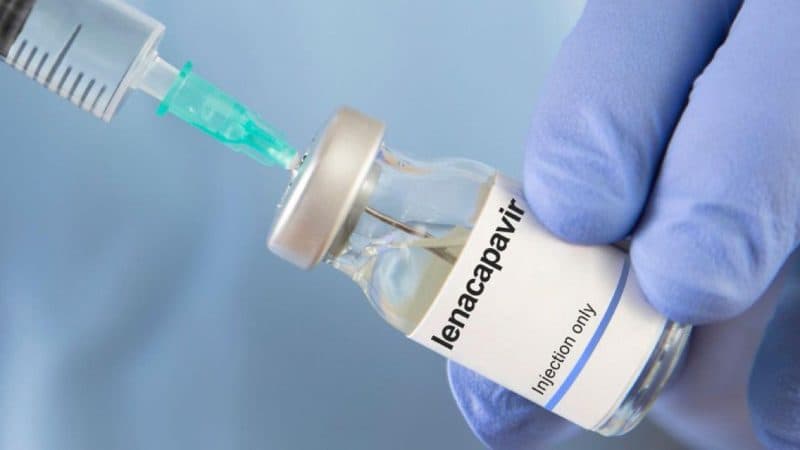
Uganda has approved Lenacapavir, a twice-yearly injectable medicine for HIV prevention, in a move officials say could speed up efforts to reduce new infections and keep the country on track to end AIDS as a public health threat by 2030.
The clearance by the Uganda National Drug Authority allows the drug to be used as pre-exposure prophylaxis, known as PrEP. It offers an option for people who struggle to take daily HIV prevention pills.
Uganda has about 1.4 million people living with HIV. Adult prevalence stands at roughly five per cent, according to UNAIDS. Although new infections have dropped over the past decade, around 52,000 people still contract the virus each year. Adolescent girls and young women remain among the most affected groups.
Lenacapavir stands out because of its dosing schedule. Patients need just one injection every six months. Trials have shown it cuts the risk of HIV infection by more than 99 per cent among people at high risk, placing it among the most effective prevention tools available.
The drug is developed by Gilead Sciences. In announcing the approval, the regulator described the decision as a major boost for HIV prevention, especially for populations at high risk.
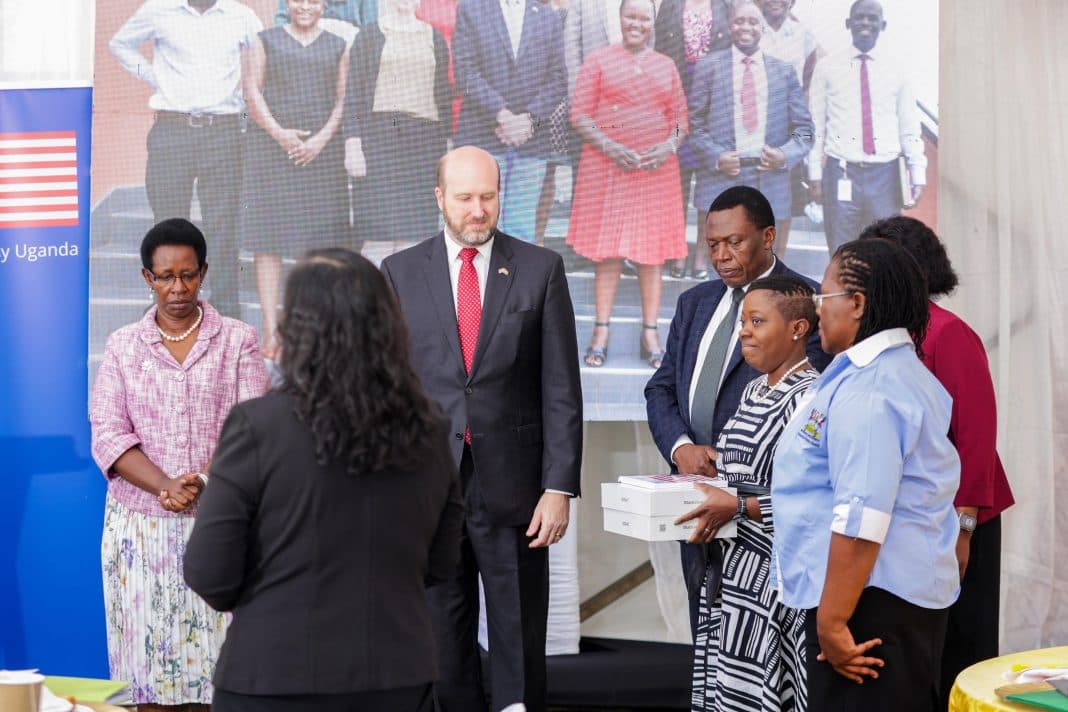
The approval comes as Uganda works with international partners to expand access to new prevention options. The United States, through PEPFAR, and the Global Fund have pledged support for rollout in high-burden countries. Gilead has also agreed to supply the drug at cost and license its technology to support large-scale generic production.
Health officials say the injectable PrEP will be added to existing HIV programmes. Priority will go to sex workers, sero-discordant couples and young women.
Experts say Uganda’s decision could influence other African countries to adopt long-acting HIV prevention tools, easing pressure on patients and health systems.