In Uganda’s bustling maternity wards, the miracle of life is celebrated daily, but just beyond the delivery beds, another, quieter reality unfolds. It is the anguish of mothers who walk out of hospitals with empty arms, carrying the invisible burden of miscarriage or stillbirth. For decades, their grief has remained unspoken, untreated, and all too often, misunderstood.
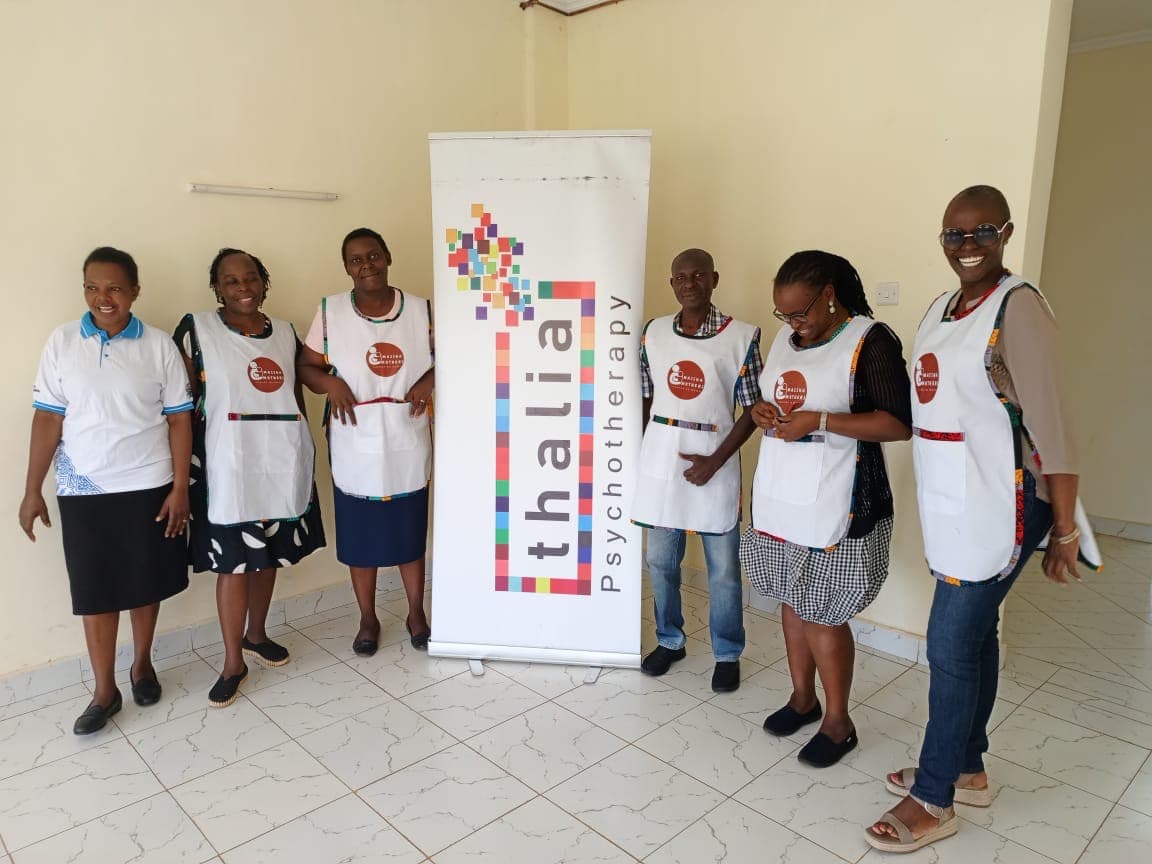
But a new wave of mental health advocates is changing that. At the center of this movement is Martha Kagoya, a clinical psychologist and the Uganda Country Lead for Thalia Psychotherapy, a fast-growing African mental health organization operating under the local brand Mindful Uganda.
“We have normalized silence around pregnancy loss,” Kagoya said in an interview. “But silence doesn’t heal, it harms.”
A crisis in the shadows
In Uganda, stillbirth affects an estimated 28 out of every 1,000 births, one of the highest rates globally. Miscarriages, though harder to track, are believed to affect up to 1 in 5 pregnancies, mirroring global estimates. But unlike physical complications, the emotional toll is rarely addressed.
“There is no counseling. No follow-up. Often, not even an acknowledgment,” said Kagoya. “Women are told to be strong, to try again. But inside, many are breaking.”

One such woman, Naome, lost her first child at seven months. Sent home with antibiotics and condolences, she fell into depression. Her husband left. She withdrew from friends and family. “I thought I was cursed,” she said. It wasn’t until she encountered a mental health screening at a Thalia-partnered clinic that she began her journey to recovery.
Transforming grief into policy
Thalia Psychotherapy, founded in Kenya and now operational in multiple African countries, is spearheading an initiative to embed mental health screenings into routine triage in maternal health settings. Under Kagoya’s leadership, the Uganda team is piloting a model that makes psychological assessments a standard part of postpartum care.
The approach is deceptively simple: mothers are screened for signs of depression, anxiety, and trauma during or after their hospital visit. Those flagged are referred to trained mental health professionals, often within the same facility. The goal? To catch mental health issues early, just as one would catch a fever or an infection.
“Mental health must be treated as essential, not optional,” Kagoya said. “You cannot separate the body from the mind.”

Since launching, clinics using Thalia’s protocol have reported a 67% rise in follow-up visits from women who previously would have disappeared into silence. Early data suggest a 42%reduction in untreated postpartum depression in these areas.
From fieldwork to national reform
Kagoya’s personal journey is as compelling as her mission. Educated at Makerere University and the University of Nairobi, she has worked with leading humanitarian organizations including UNHCR, UN Women, MSF, and USAID, focusing on gender-based violence, child protection, and post-conflict trauma. She is currently training as a certified supervisor in interpersonal psychotherapy, a method increasingly used to treat perinatal mental health.
Her work with Thalia builds on this experience but takes it a step further: from emergency response to systemic integration. The organization is now in talks with Uganda’s Ministry of Health to scale the mental health triage model nationwide, making it a permanent fixture of maternal care.
“We want to move from pilot to policy,” said Kagoya. “We’re ready.”
Healing at scale
Thalia’s ambitions don’t stop at hospitals. The team is also training community health workers, launching WhatsApp-based support tools, and building partnerships with churches and women’s groups, critical trust centers in rural Uganda.
The model draws from lessons learned in Kenya, where Thalia has already conducted over 7 million mental health screenings. But in Uganda, it is Kagoya who has become the face of the movement, combining clinical expertise with a deeply personal passion for healing.
“For every mother who thinks she’s alone,” she said, “we are here to tell her: you are not.”
A new era for maternal mental health
As global health organizations increasingly recognize the role of mental well-being in maternal outcomes, Uganda stands at a turning point. If Thalia’s model succeeds, it could become a blueprint not just for Africa, but for the world.
For now, though, it’s the individual stories that keep Kagoya going. “Every time a woman says, ‘Thank you, I feel seen,’ that’s everything.”
And in a country where too many mothers have suffered in silence, simply being seen can be the first step toward healing.