On Thursday, May 15, 2025, Parliament passed the Supplementary Appropriation Bill, 2025, allowing the government to spend an extra Shs4.86 trillion. This money will cover urgent and unexpected costs that came up during the 2023/2024 financial year.
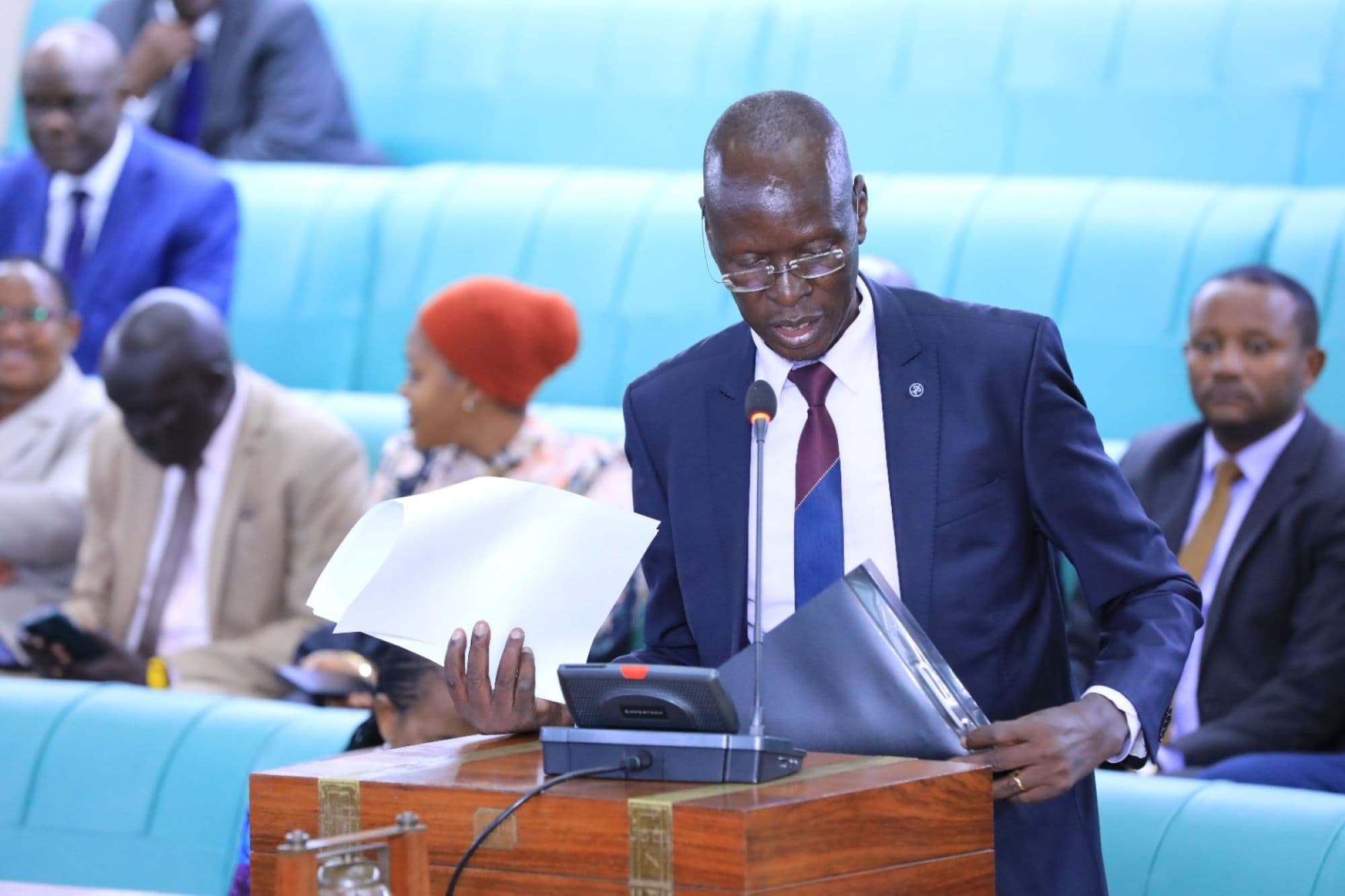
Speaker Anita Among led the plenary session where the bill was approved.
The Deputy Chairperson of the Committee on the Budget, Remigio Achia, presented the committee’s report. He said the funds are for expenses not planned for when the main budget was approved.
The supplementary spending follows rules set by the Constitution and the Public Finance Management Act.
These funds were already used under three supplementary schedules in FY 2023/24. The Bill now makes that spending official. It covers both regular expenses and development projects.
Government ministries received a total of Shs1.39 trillion. The Office of the President got Shs396 billion, State House Shs189 billion, and the Ministry of Internal Affairs Shs204 billion.
The Ministry of Finance, Planning and Economic Development received Shs88.8 billion, Health got Shs38.6 billion, and Works and Transport Shs47.3 billion. Gender, Labour and Social Development received Shs73.3 billion.
Statutory bodies and public institutions received Shs1.21 trillion. The Science, Technology and Innovation Secretariat got the largest share at Shs757 billion. The National Animal Genetic Resource Centre received Shs92 billion, while the Uganda Bureau of Statistics got Shs83.1 billion. NIRA received Shs4.2 billion and Makerere University Shs14.5 billion.
Other beneficiaries included the Uganda Cancer Institute, Uganda Blood Transfusion Services, Uganda Land Commission, Uganda Industrial Research Institute, Uganda Police, Uganda Prisons, and referral hospitals in Arua, Masaka, and Naguru.
Foreign embassies and missions received Shs836.5 billion to cover staff salaries and running costs across more than 50 overseas offices.
Local governments received Shs2.46 trillion to help with wage gaps, conditional and unconditional grants, and equalisation transfers to improve services at district level.
Hon. Achia said all the spending stayed within the legal limit of 3 per cent of the total approved budget. He said it also followed earlier decisions made by Parliament.
“In conclusion, the Committee recommends that the Supplementary Appropriation Bill, 2025 be passed into law,” he said. Parliament agreed with the report and passed the Bill. The law takes effect from July 1, 2023.