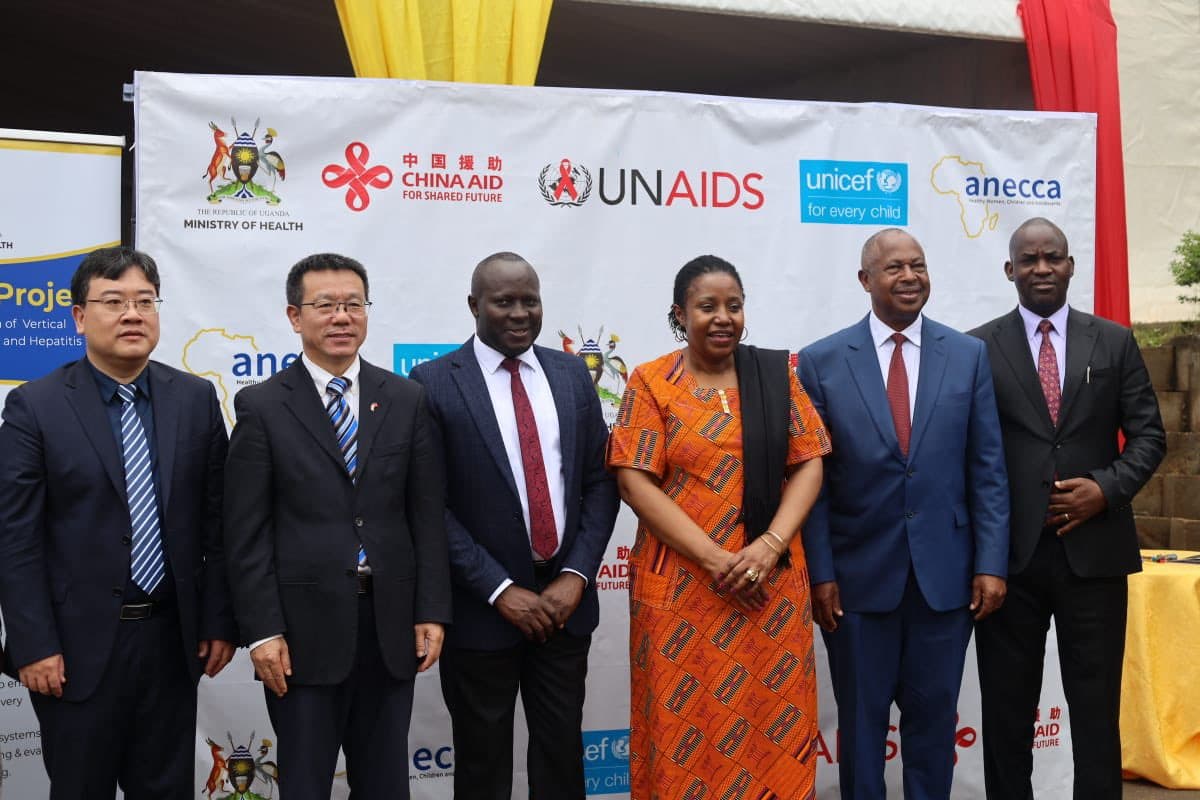
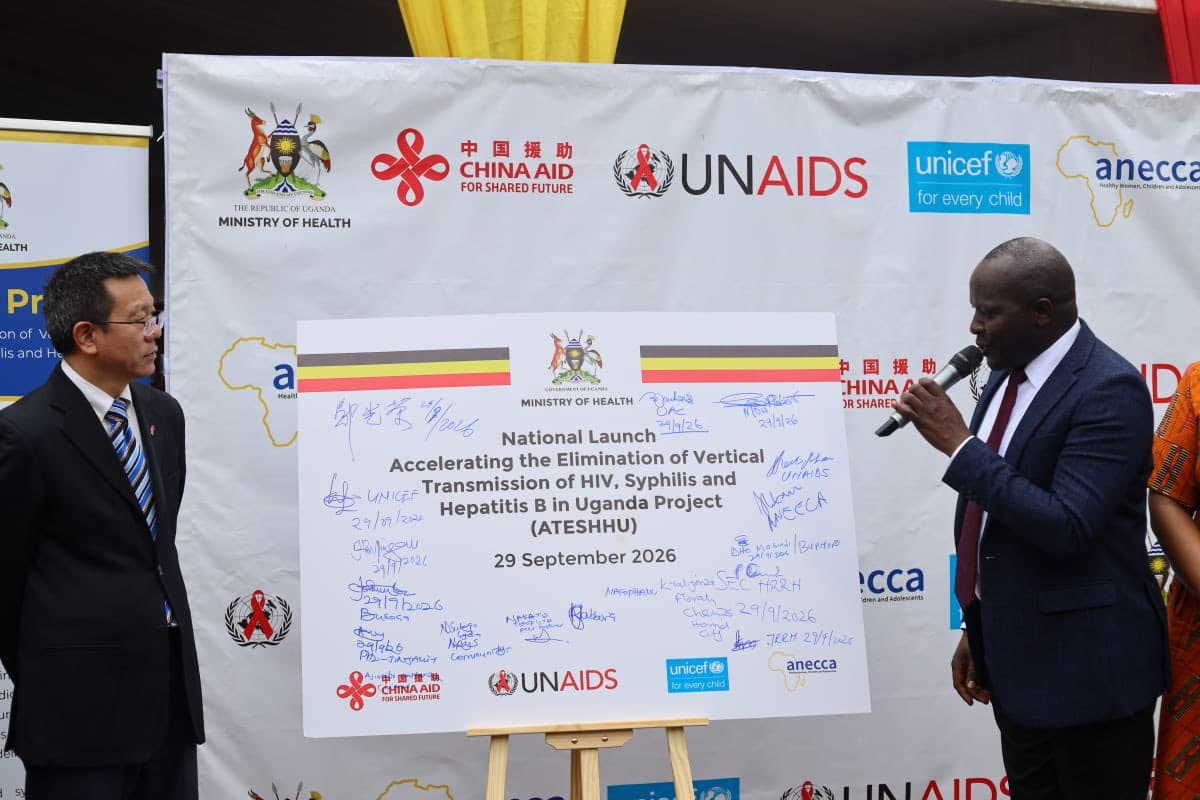
The Ministry of Health, in partnership with healthcare stakeholders, has launched the Accelerating the Elimination of Vertical Transmission of HIV, Syphilis and Hepatitis B in Uganda (ATESHHU) Project, commonly known as the "Triple Elimination" initiative.
Funded by the People’s Republic of China and implemented through the African Network for Care of Children Affected by HIV/AIDS (ANECCA), the two-year health intervention will focus operations in the Busoga and Bunyoro sub-regions.
The project is designed to scale up national efforts to stop vertical transmission, the transfer of viral and bacterial infections from mothers to infants during pregnancy, childbirth, and breastfeeding.
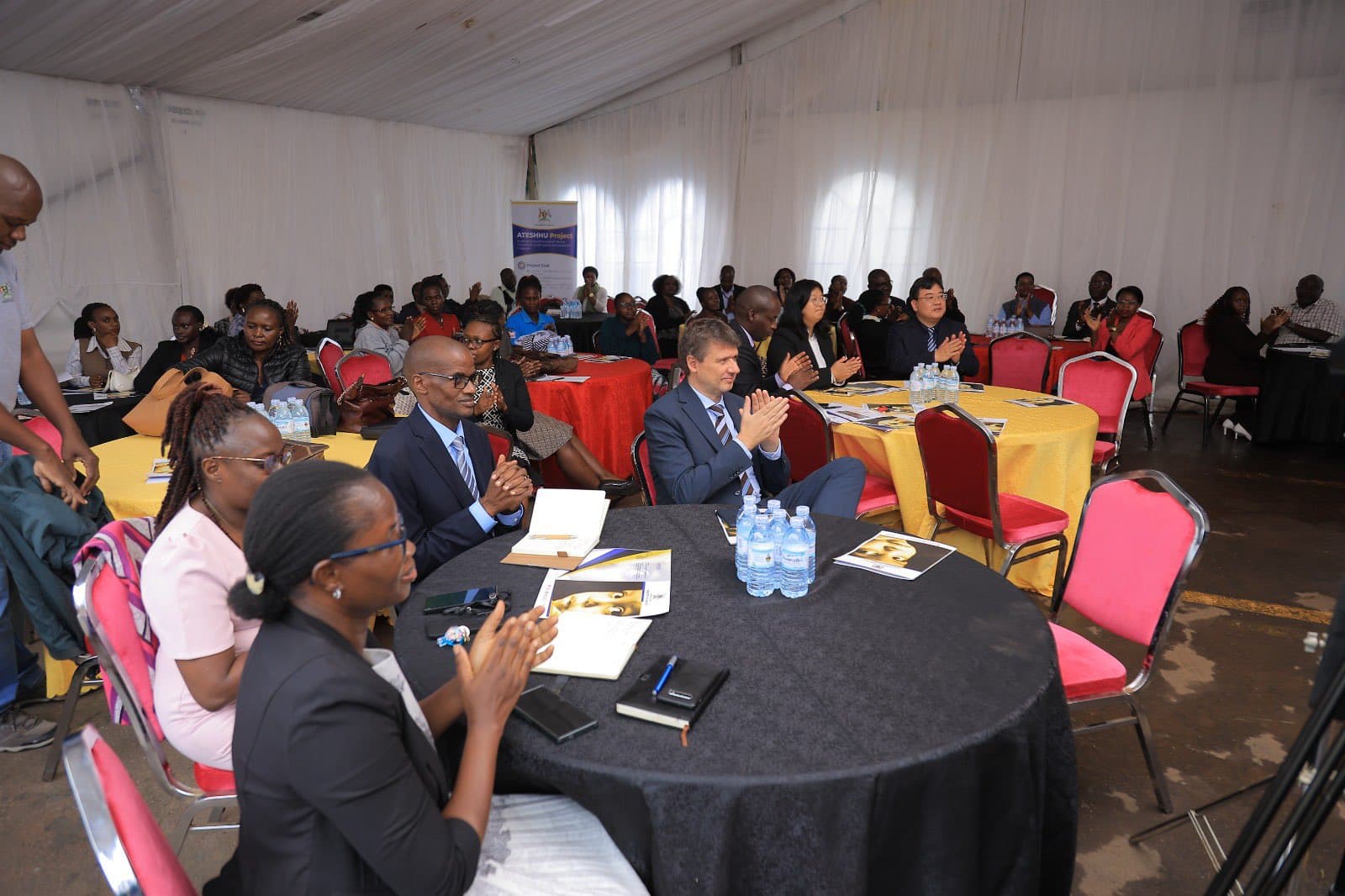
Under the ATESHHU framework, beneficiary health facilities across Busoga and Bunyoro will provide integrated prevention, early testing, prompt treatment, and continuum-of-care services for pregnant women, expectant mothers, and newborns.
By combining three screening pathways into a unified antenatal package, the strategy ensures that no mother leaves a health facility without undergoing concurrent screening for HIV, syphilis, and hepatitis B, while receiving maternal healthcare services including immunisation and nutritional guidance.
The project will also channel investments into primary health system strengthening, health worker training, laboratory diagnostic capacity, and grassroots community-level outreach to eliminate social stigma and improve early antenatal clinic attendance.
Health officials noted that while Uganda has made significant strides in reducing vertical HIV transmission, closing remaining gaps in hepatitis B birth-dose coverage and eliminating congenital syphilis are vital to reaching the World Health Organization’s (WHO) 2030 triple elimination validation targets.