
The Minister of Local Government, Raphael Magyezi has called for an urgent review of Uganda's Decentralisation Policy which was established in 1992.
This comes 30 years ago since government introduced a decentralisation policy that empowered lower governments to manage public affairs on behalf of the central government in a bid to speed up development and service delivery.
According to Hon Magyezi, the policy review is long overdue. "We evolved and gave powers to Local Governments; how are they feeling? Is it delivering services as we expected in the Constitution? So we need a review of the decentralization policy,” Hon Magyezi said.
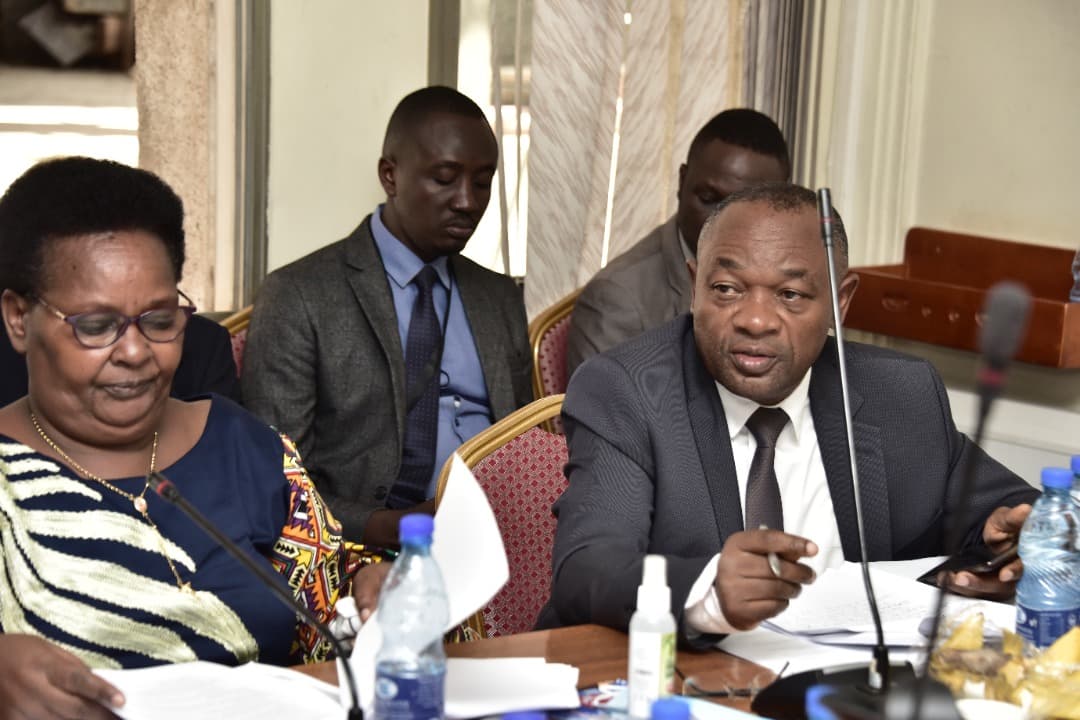
This, he said on Tuesday, 17 January 2023, while presenting the Budget Framework Paper for FY 2023/2024 for the local government sector before the Committee on Public Service and Local Government.
Magyezi said it is prudent that about Shs3 billion is provided this new financial year to allow government to conduct a national review of the decentralisation system of governance. Legislators on the committee backed the need for an urgent review of the decentralisation policy based on complaints of inefficacies in service delivery, central government interference on complaints of inefficacies in service delivery, interference of central government, and limited access to local revenues.
During the meeting, minister Magyezi protested local government budget cuts, saying it is likely to impede governance and policy operations, thus affecting service delivery.
According to the Medium-Term Expenditure Framework (MTEF) for FY 2023/2024, local governments’ budget has been slashed to Shs4.5 trillion from Shs4.8 trillion in the current financial year. Local governments want salary increments for all political local leaders including district chairpersons, councilors, speakers, LCIIIs, LCIIs, and LCIs. Among the pushing issues which remain unfunded include the procurement of motor vehicles for Chief Administrative Officers, district chairpersons, and city mayors and start-up fund for construction of office headquarters for 10 districts which were displaced by the new cities.