

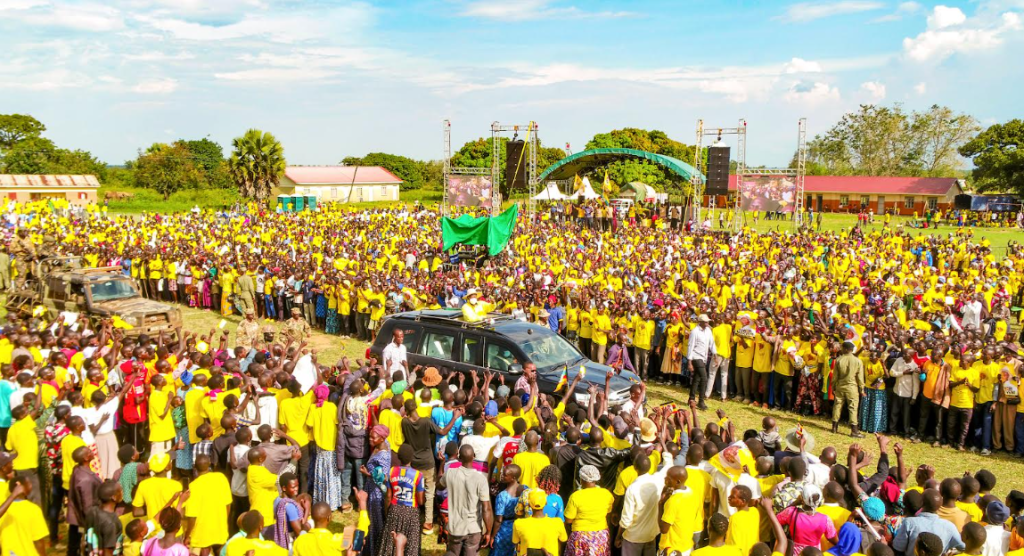
In Otuke, a district once scarred by war and cattle raids, the sound of applause at Orum Primary School grounds carried more than political excitement—it carried hope. For many families in northern Uganda, the memory of losing their herds to insurgencies and raids still lingers. On Thursday 2, 2025, President Yoweri Kaguta Museveni assured them that the long-awaited cattle compensation is finally within reach.
“Recently, I came and consulted you to have a new approach of giving each household five cows each,” President Museveni said. “While some people had reservations, the wananchi voiced their support, saying that Museveni is right. I have now got reports from Ateso and Lango—they’re all supportive. I’m waiting for Acholi, but I have already instructed the government to start planning for it. We may not do it at once, but with time we shall complete the process.”
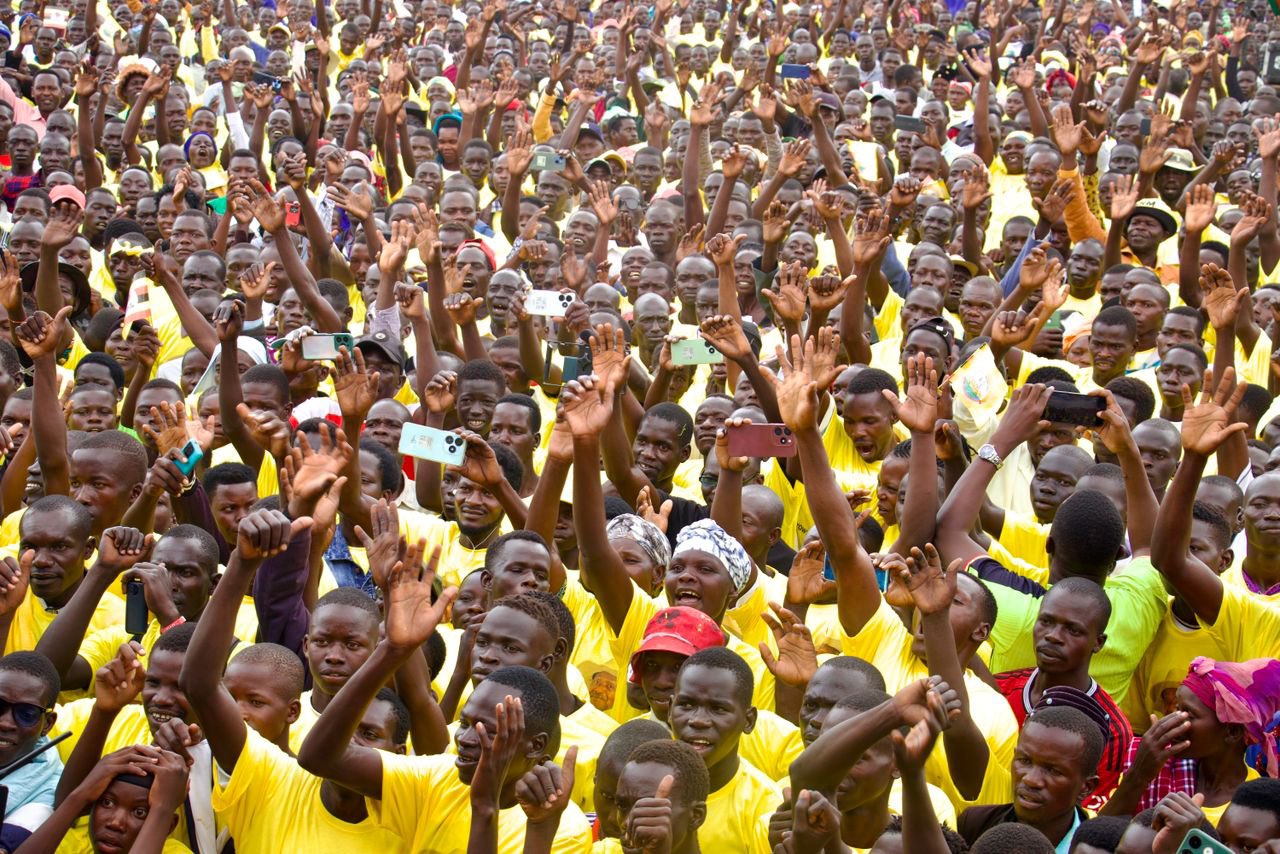
The pledge struck a chord in a region where livestock has long been the measure of wealth and survival. Communities in Lango, Teso, and Acholi lost millions of animals during decades of conflict, stripping families of their economic backbone. Museveni’s promise signals what could be a turning point in rebuilding livelihoods.
Oil-Backed Promises and Infrastructure Push
At the same rally, President Museveni reminded supporters that Uganda’s economic future rests heavily on oil revenues expected in 2026. He pledged to channel the money into roads, electricity, schools, and railways.
“That oil money will help us transform infrastructure—roads, railways, electricity, and some of the schools,” he said, stressing that it would not be wasted on luxury imports.
Museveni pointed to completed projects such as the Tororo–Mbale–Soroti–Dokolo road and the Rwenkunyu–Apac–Lira road as proof that development was possible even without oil. With petroleum income, he added, key routes like Soroti–Amuria–Obaranga–Otuke would become priorities.
Wealth Creation Through Farming
The President cautioned that development alone would not end poverty. He urged households to embrace commercial agriculture, citing testimonies of farmers who transformed small Parish Development Model (PDM) funds into thriving enterprises.
“All they did was to listen to the NRM advice,” he said, calling upon Ugandans to defend programs like PDM, Emyooga, and GROW from theft and misuse.
He promised to add UGX 15 million per parish to support local leaders and announced plans for a graduate support fund targeting jobless university students.
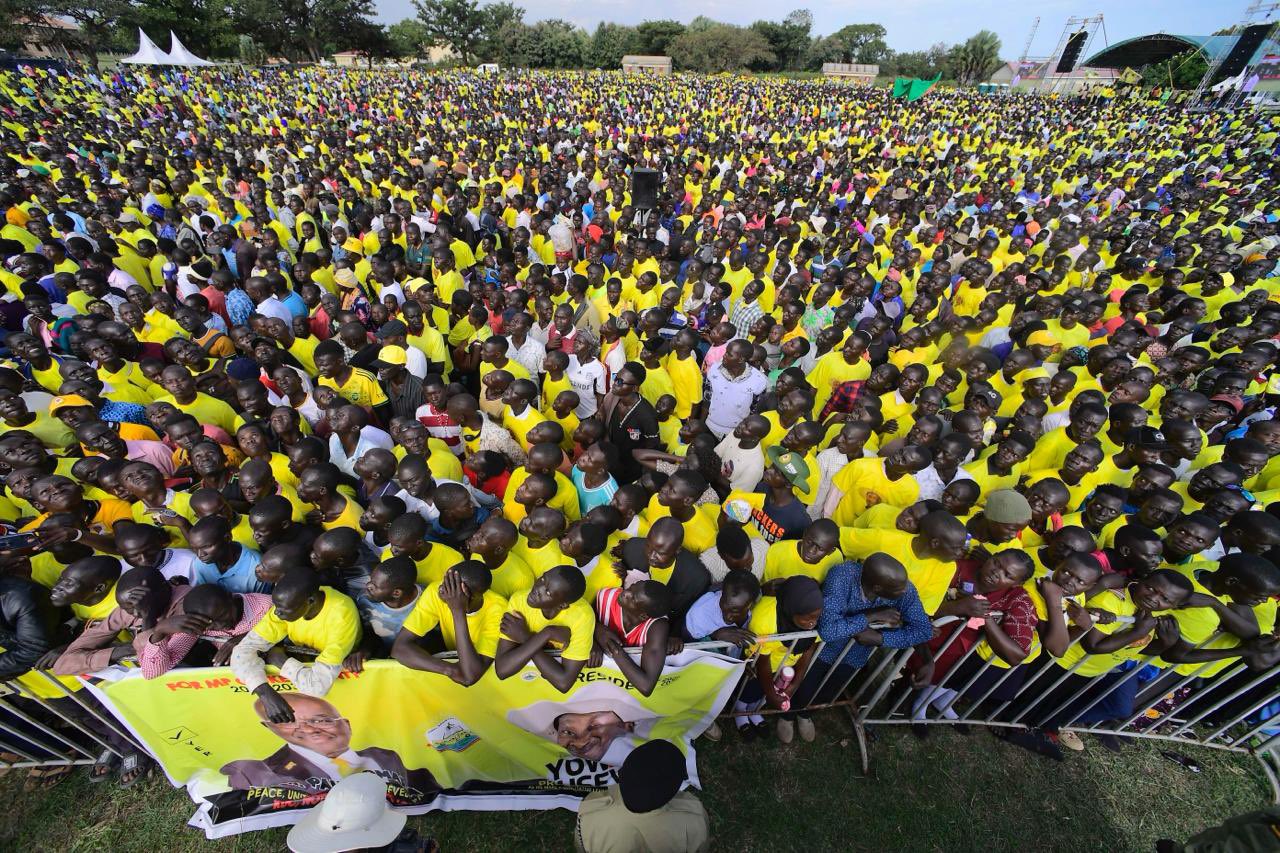
Celebrating Peace in Otuke
For Museveni, Otuke carries personal memories of Uganda’s turbulent history. He recalled how the district once served as a battlefield against rebels and cattle rustlers.
“When I came into government in 1986, this area was in endless struggle with rebels and cattle rustling,” Museveni said. “We disarmed the rustlers, fought Lakwena, fought Kony and Otti, and brought peace here.”
Government Chief Whip Denis Obua also called on residents to support the NRM, highlighting Otuke’s transformation from a center of insecurity to a hub of stability.
Momentum for 2026
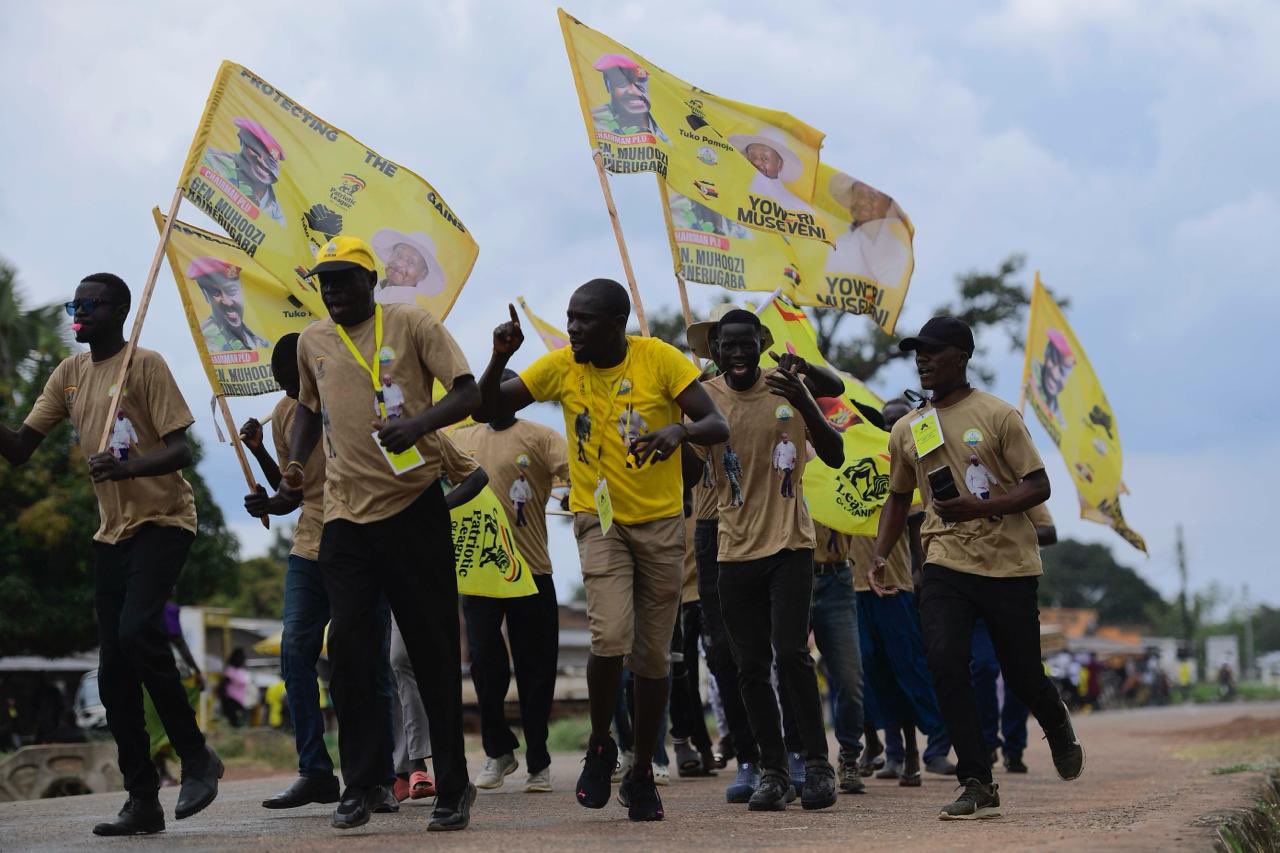
The Otuke rally was part of Museveni’s wider campaign trail across Lango, following launches in Amolatar and Dokolo. With the theme “Protecting the gains as we make a qualitative leap into a high middle-income status,” the rallies have centered on peace, wealth creation, and infrastructure.
As the campaign builds momentum, Museveni urged voters to back NRM candidates at all levels. “With all these ideas and plans, I am here with the leaders of NRM to ask you to vote for NRM, vote for all NRM flagbearers, and you can be sure of whatever we have talked about,” he said.
For northern Uganda, his message carried both memory and promise: peace secured, progress delivered, and compensation still to come.