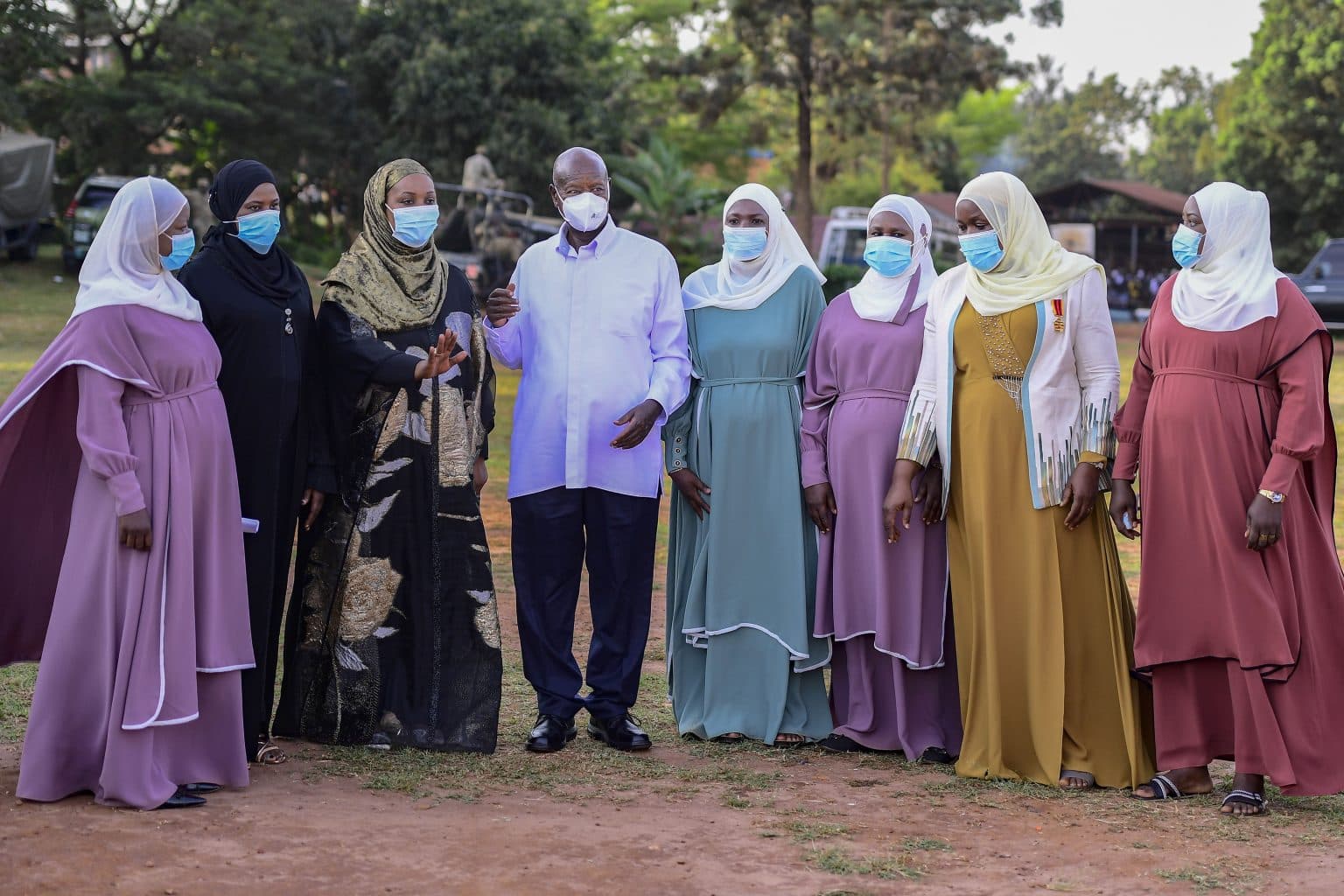
President Yoweri Kaguta Museveni has committed Shs2 billion to support Savings and Credit Cooperative Societies (SACCOs) formed by Muslim women. The announcement came during the first-ever Muslim Women’s Conference held at Old Kampala SS playground, an event that highlighted the growing role of women in socio-economic transformation under the theme, "The Role of Muslim Women Leaders in Socioeconomic Transformation."
“I will contribute Shs2 billion for the SACCOs of the Muslim women. I will mobilize Shs1 billion now and another Shs1 billion in July next year,” President Museveni revealed during his speech, emphasizing his government’s continued commitment to women empowerment and financial inclusion.
Empowering Muslim Women through SACCOs
The President praised the Uganda Muslim Supreme Council (UMSC) for their efforts in empowering Muslim women through the formation of the National Muslim Women Council of Uganda. “I’m happy to see that the thinking of the NRM is now spreading to all of you,” he said, pointing to the National Resistance Movement’s (NRM) long-standing support for women’s rights and equality.
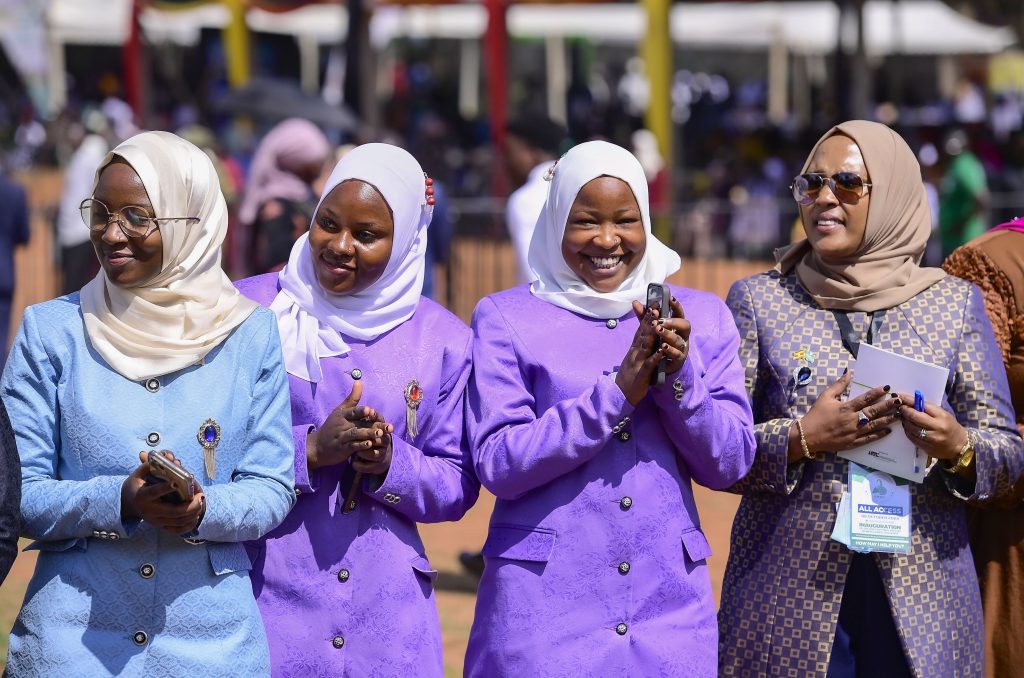
Museveni traced his government’s history of promoting women's involvement in various sectors, highlighting how the NRM broke barriers by recruiting women into the army during the liberation struggles in the late 1970s and early 1980s. “We created a special seat for women and other marginalized groups in Parliament, and I’m glad to see Muslim women now joining this journey of civilization,” he added.
A Call to Fight Poverty
In his address, President Museveni encouraged Muslim women to take advantage of various government programs aimed at poverty alleviation, such as the Parish Development Model (PDM) and Emyooga. “The government is sending support to you in all those villages,” he said, emphasizing that each parish receives Shs100 million under the PDM. He likened these government programs to the parable of the talents, urging the women to multiply the resources provided to them for sustainable development.
Support for Islamic Education and Infrastructure
Museveni also recounted his efforts in supporting the development of Islamic institutions in Uganda, including the construction of the Gaddafi Mosque and the establishment of the Islamic University in Uganda (IUIU). “I talked to Muammar Gaddafi, and he agreed to build the mosque, and now it’s here with other structures,” he said, expressing satisfaction that these efforts had lasting impacts on the Muslim community.
Unity within the Muslim Community
During the event, UMSC Mufti Sheikh Shaban Ramadhan Mubaje acknowledged the progress made in empowering Muslim women, noting that the council’s constitution had been amended to allow women greater participation in public life. “We are here because of the UMSC constitution which was amended to allow women to be in the public space, and you highly supported it, Your Excellency,” Sheikh Mubaje said.
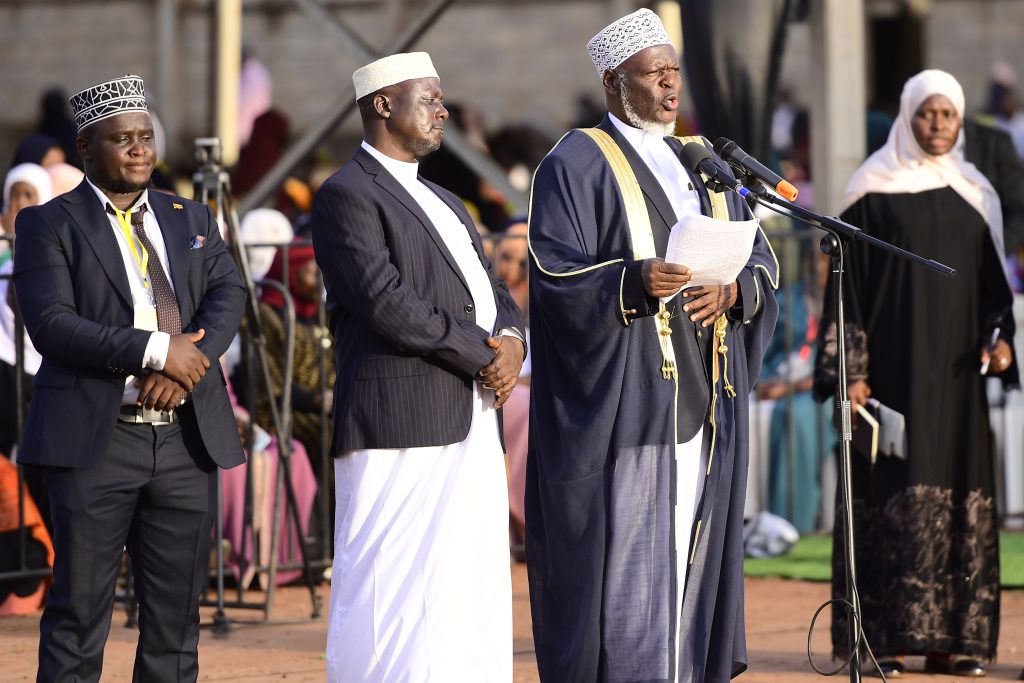
The Mufti also addressed the issue of unity within the Muslim community, stating that despite some challenges, the council was on the right path to working together for the country’s development. “Although there are a few elements trying to disrupt our programs, we remain committed to unity and progress,” Mubaje added.
Muslim Women Leading the Charge
Hajjat Sophia Kenyangi Safina, Chairperson of the National Muslim Women Council, highlighted the transformative role Muslim women are playing in Uganda’s development. “Muslim women are not just participants in this journey but leaders,” she said, emphasizing their contributions in sectors like agriculture, entrepreneurship, and vocational skills. She also announced the launch of a centralized digital system to manage and support Muslim women SACCOs, ensuring transparency and efficiency in resource allocation.
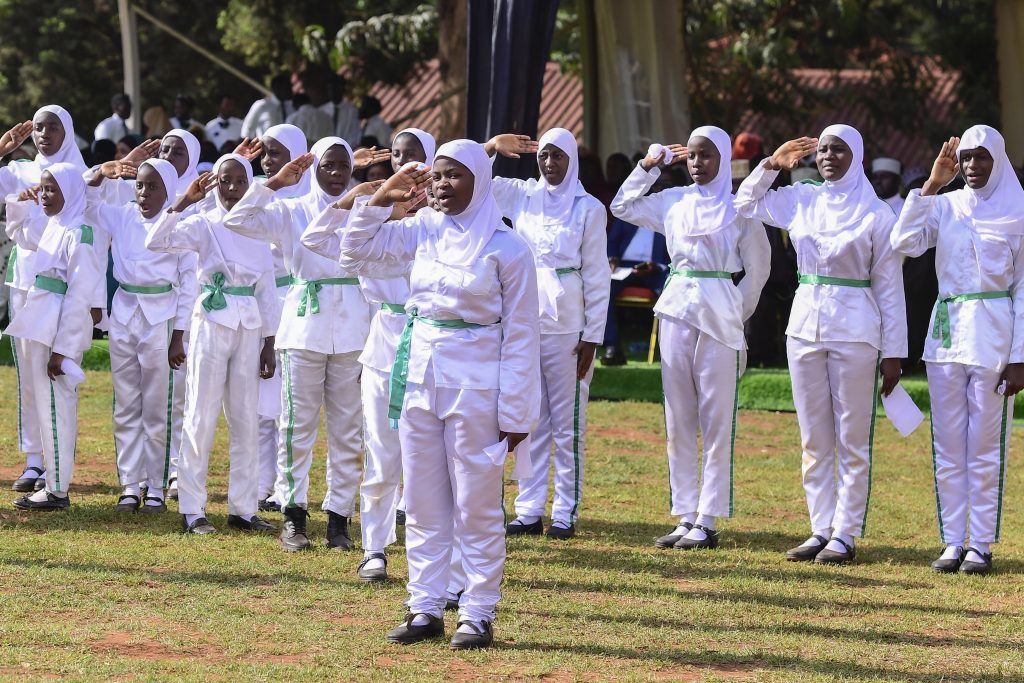
Despite these achievements, Hajjat Kenyangi noted that Muslim women still face challenges, including limited access to vocational education and financial services. She called on the government and development partners to support initiatives that address these barriers, enabling Muslim women to fully participate in Uganda’s socio-economic growth.
The conference, which brought together political leaders, religious figures, and members of the Muslim community, marked a milestone in the journey toward greater inclusion and empowerment for Muslim women in Uganda. As President Museveni reaffirmed his commitment to supporting these efforts, the future looks promising for Muslim women leaders driving change in the country.