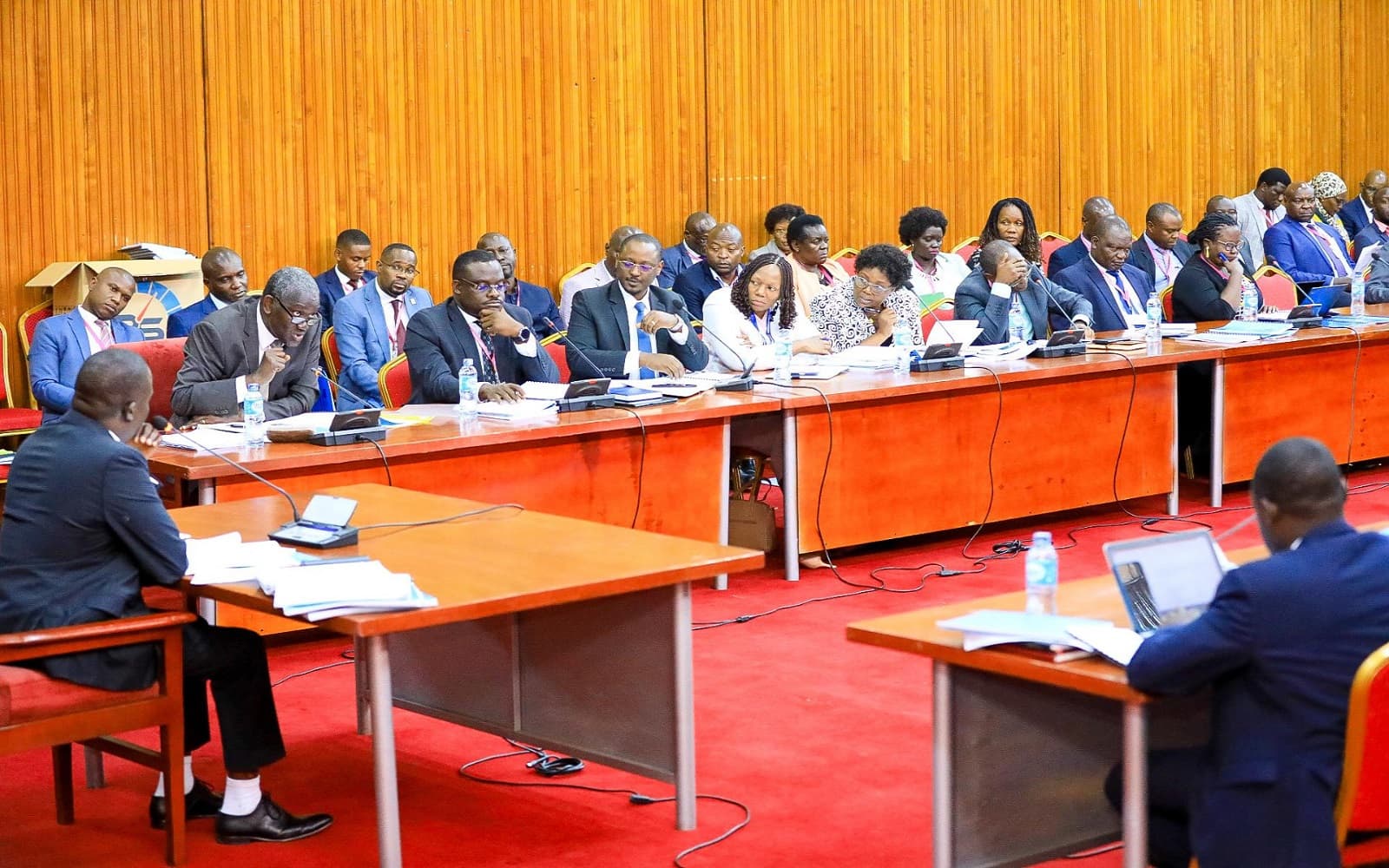
The Ministry of Water and Environment has come under scrutiny for failing to seek parliamentary approval for an extra Shs25.3 billion spent under the Strategic Towns Water Supply and Sanitation Project.
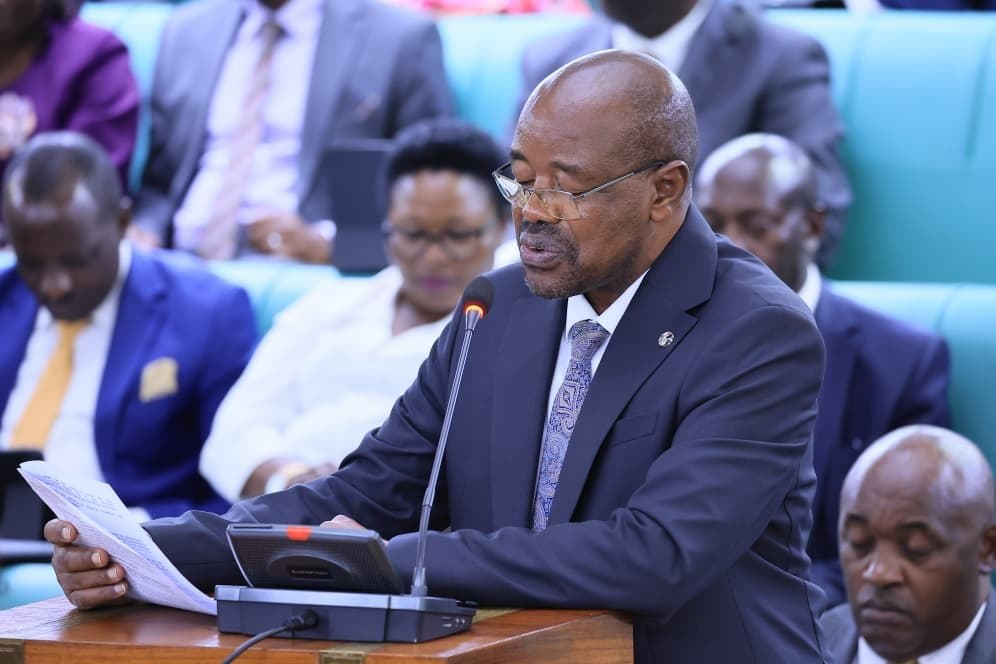
Appearing before the Public Accounts Committee (Central Government) on March 11, ministry officials led by Permanent Secretary Alfred Okot failed to justify why they did not request a supplementary budget for the additional expenditure.
An audit for the year ending December 2024 revealed that Shs25.3 billion was spent without approval, having been carried over from the previous financial year. The project had an approved external financing budget of Shs22.7 billion, but Shs48.01 billion was remitted, bringing the total available funds to Shs58.1 billion.
The Accounting Officer attributed the excess funds to direct payments by donors to consultants and contractors. Project Manager Felix Twinomucunguzi explained that COVID-19 had delayed activities, leading to a backlog in spending that resulted in excess allocations in later financial years.
However, committee chairperson Muwanga Kivumbi rejected this justification.
“The law is clear. Any extra expenditure outside the approved budget must go through a supplementary request to Parliament. Yet here we are with an additional Shs25.3 billion spent without approval. That is illegal and unconstitutional,” he said.
Jessica Ababiku (NRM, Adjumani District Woman Representative) questioned why the ministry failed to disclose how external factors like COVID-19 and the Ukraine-Russia war affected project costs.
“Why didn’t you provide all these details to the auditors?” she asked.
Twinomucunguzi admitted inconsistencies in the expenditure breakdown, saying the extra funds were used for pre-contract activities such as compensation and logistical adjustments. However, MPs dismissed this explanation, insisting that all extra spending required prior parliamentary approval.
Under Secretary Emmanuel Mugunga downplayed the matter, arguing that the funds were not new but unspent resources from the previous financial year.
“This is not an additional resource; it’s simply money that was not spent earlier but is now available,” he said.
Kivumbi rejected this defence, stating that unspent funds must be reallocated through a supplementary budget.
“The Public Finance Management Act is clear. Unspent funds do not automatically roll over. They must be included in the next budget cycle or a supplementary budget must be processed. Anything else is illegal,” he said.
The committee directed the ministry to provide a detailed breakdown of the expenditure and explain why a supplementary request was never made. Failure to comply could result in further accountability measures against responsible officials.
Meanwhile, on stalled projects, Twinomucunguzi said that COVID-19 and the Russia-Ukraine war had disrupted operations. The committee then tasked him to explain why some projects had not progressed.
“One of the most affected countries was China and India, which were our main sources of materials, especially steel pipes. The production lines were curtailed,” he said.