By Dennis Katungi
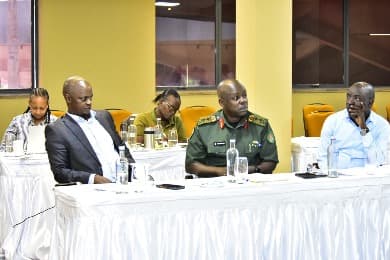
I attended the 2nd Uganda–UK Health Partnerships Summit held on 29 July 2026 at the British High Commission in Kampala. It brought together senior officials from Uganda and the United Kingdom, health professionals, researchers, universities, NHS partners, development agencies and members of the Ugandan health diaspora. The summit focused on strengthening long-term collaboration in healthcare delivery, research, innovation and workforce development.
Key highlights were in Strengthening bilateral health partnerships which have been ongoing for years. Uganda and the UK reaffirmed their commitment to expanding cooperation in health systems strengthening, medical research, specialist training and innovation. The summit emphasized partnerships based on mutual learning rather than donor-recipient relationships. It was headlined by Ambassador Lisa Chesney, the Deputy British High Commissioner, Nimisha Madhvani Uganda’s Ambassador to the UK and Dr. Charles Ayume. Dr Beccy Cooper, Chair of UK All-Party Parliamentary Group on Health was the Chief Guest and Dr Chris Baryomunsi, Uganda’s Minister of Health attended the last session giving the concluding remarks.
Dr. Diana Atwine led discussions on the future of Uganda's health system and international collaboration. Celebrating successful partnerships delegates showcased collaborations between Ugandan hospitals and NHS institutions in: Critical care, Cardiology, Kidney transplantation, Maternal and fetal medicine, Neonatal care, Emergency obstetric care, Sepsis prevention and treatment.
On investment in Health workforce, the summit highlighted Monthly Virtual Clinical Grand Rounds connecting Ugandan clinicians with National Health Service [NHS] specialists, Training of more than 320 nurses in critical care, Expanded specialist training through UK–Uganda institutional partnerships. Participants highlighted the importance of research partnerships involving the Uganda Virus Research Institute, the Medical Research Council and the London School of Hygiene & Tropical Medicine, which continue to contribute to vaccine development, infectious disease research and epidemic preparedness which have aided Uganda's disease surveillance expertise.
Uganda's internationally recognised response to recent Ebola outbreaks was cited as an example of strong public health preparedness and a model from which other countries can learn. Discussions focused on: Pandemic preparedness Cross-border disease surveillance, South-to-North knowledge exchange Building resilient health systems capable of responding to future outbreaks. Delegates explored opportunities for increased UK private investment in Uganda's healthcare sector, particularly in medical technology, specialist services and health infrastructure.
The Role of the Ugandan diaspora was highlighted at the summit recognising Ugandan health professionals working in the UK as valuable contributors to skills transfer, specialist mentorship and investment in Uganda's health sector. Moses Mulimira who leads the Diaspora Uganda UK Health Alliance highlighted the symbiotic relationship between Ugandan diaspora healthcare professionals and their UK counterparts in training, exchanges, professional development and benchmarking on treatments in tropical diseases as well as NCDs.
The summit concluded with a shared commitment to expand institutional partnerships between Ugandan hospitals and NHS trusts and to increase specialist training for Ugandan health workers, research collaboration on infectious and non-communicable diseases and to promote innovation and digital health, deepen cooperation on health security and epidemic preparedness and mobilise greater investment into Uganda's health sector. Overall, the summit reinforced that the Uganda–UK health partnership has evolved beyond development assistance into a strategic collaboration centred on research, innovation, workforce development and resilient health systems, with benefits for both countries.
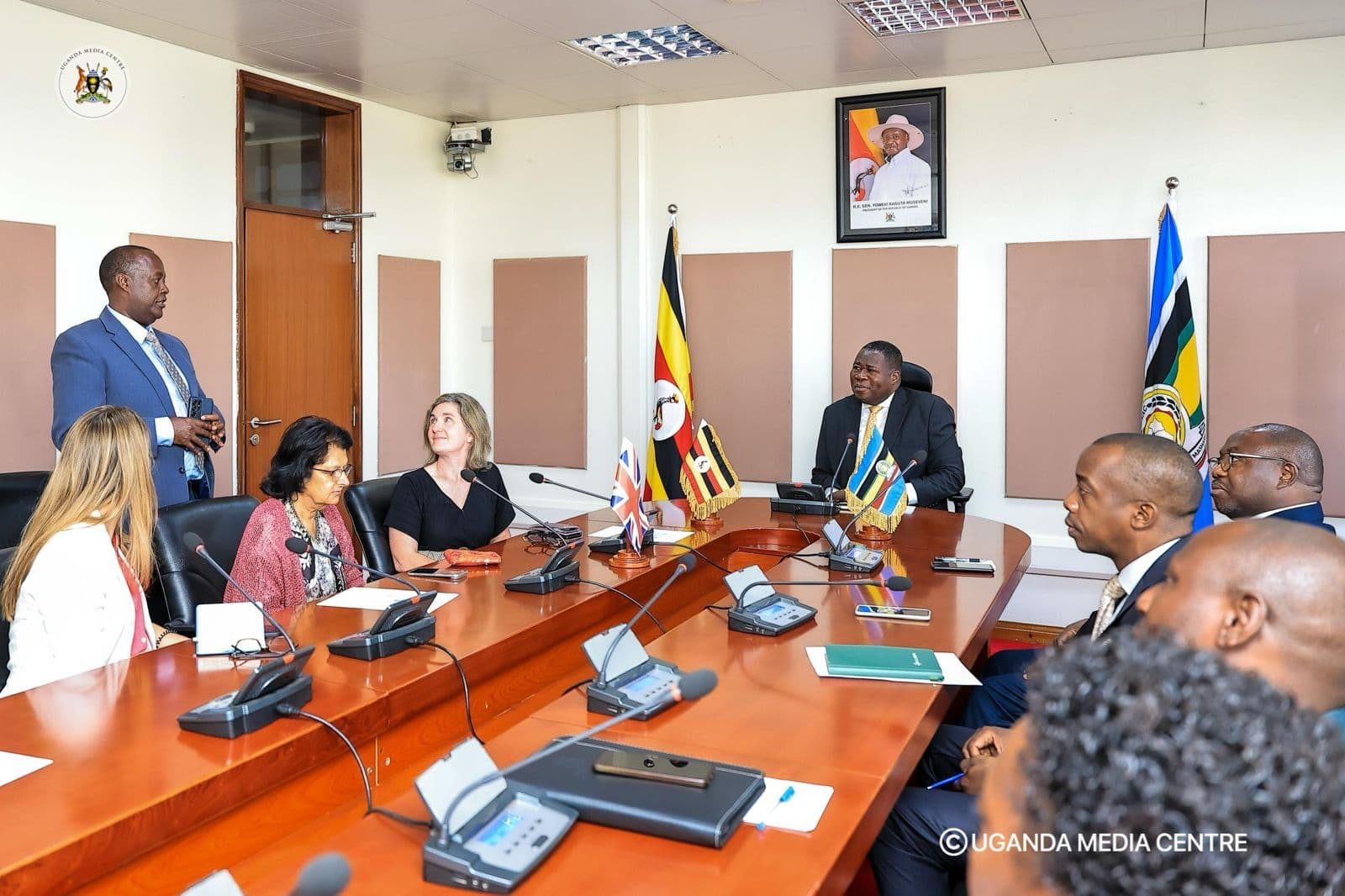
Following the successful summit, a UK government delegation led by Dr Beccy Cooper MP, Chair of the All-Party Parliamentary Group, together with a Ministry of Health team, led by Dr Charles Ayume, Minister of State for Primary Health Care met both the Speaker of Parliament of Uganda and later on, President Yoweri Museveni at State House Entebbe. The President called for deeper collaboration between Uganda and UK in public health, pharmaceutical manufacturing and medical research. The President said that stronger partnerships would accelerate disease prevention, boost local medicine production and improve access to healthcare.
The President invited British Pharmaceutical companies to invest in Uganda, describing the country as an ideal destination for manufacturing medicines and vaccines for both regional and international markets.
Speaking on behalf of the UK delegation, Hon Beccy Cooper praised Uganda’s leadership in Public Health, particularly its successful response to recent disease outbreaks and its longstanding commitment to hosting refugees. She said that the United Kingdom is keen to deepen healthcare cooperation with Uganda and pledged to engage British Pharmaceutical companies interested in investing in vaccine and medicine production. “There are companies in the UK that would be interested in collaborating with Uganda, particularly in pharmaceutical manufacturing and vaccine production. We will look for opportunities and bring them here and work together with scientists” she said.
Representing the Ugandan Diaspora, Mr Moses Mulimira said many Ugandan professionals working in the United Kingdom are eager to contribute their expertise to Uganda’s development. “We have accomplished a lot while working in the UK but we also want to come back and contribute to our Country,” he said.
The Minister of State for Health in charge of Primary Health Care, Hon. Dr. Charles Ayume revealed that nearly 970 Ugandan Nursing professionals are currently employed in the United Kingdom underscoring the growing contribution of Uganda’s healthcare workforce to Britain’s Healthcare system while also highlighting the strong people-to-people ties between the two countries.
The writer is Deputy Executive Director – Uganda Media Centre.