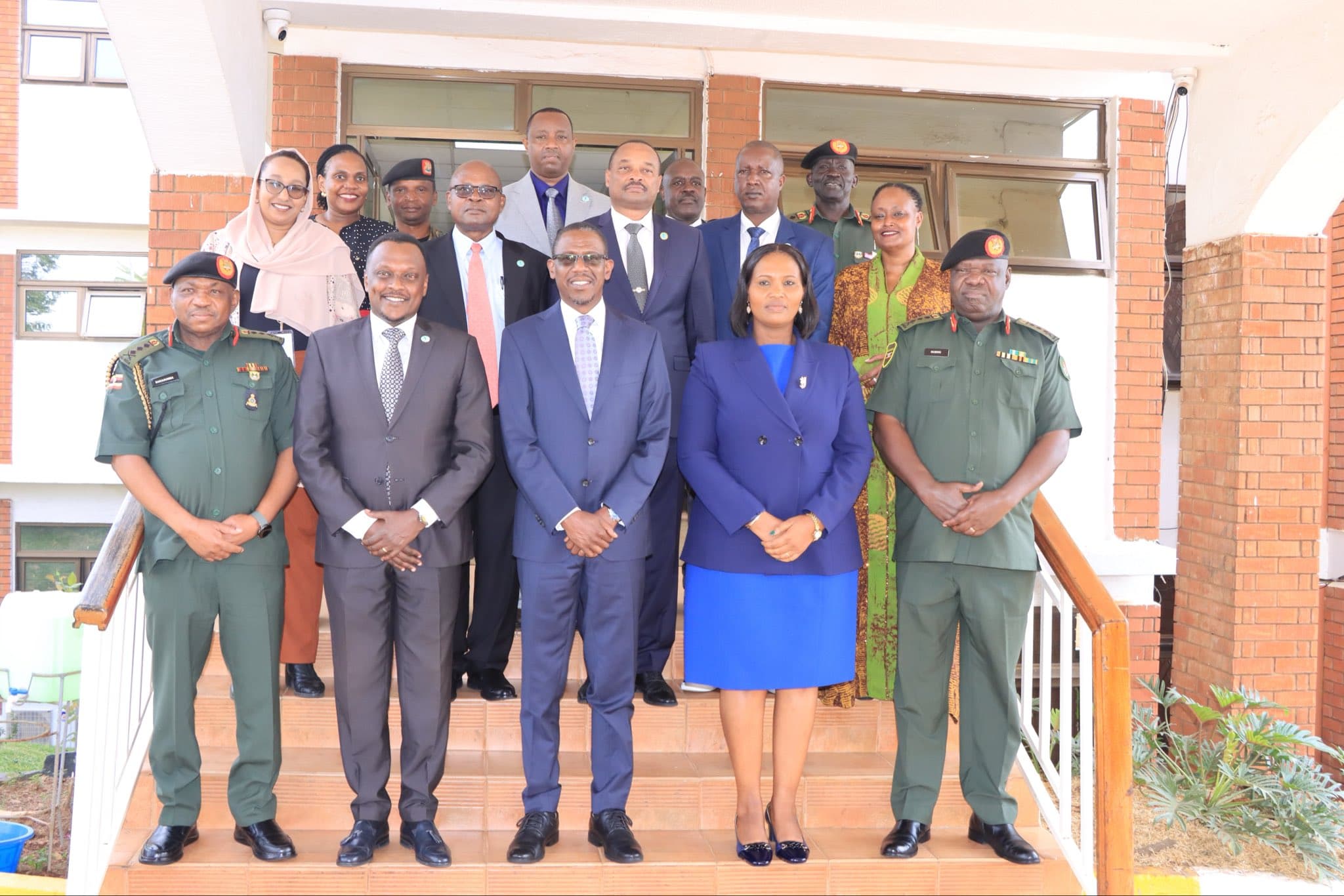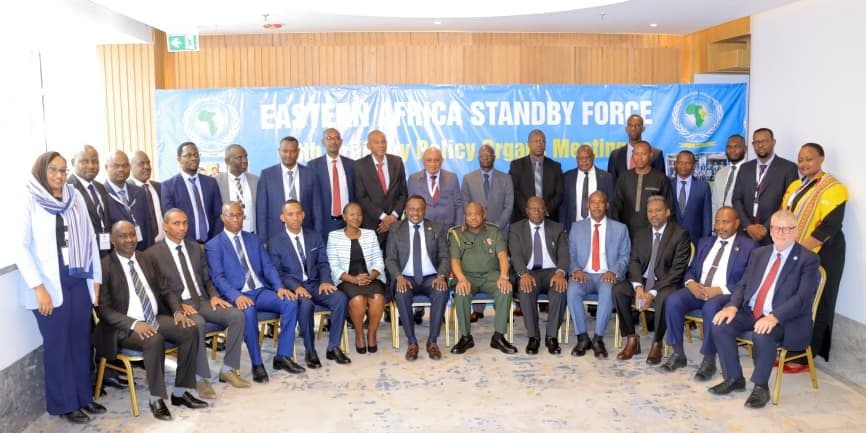

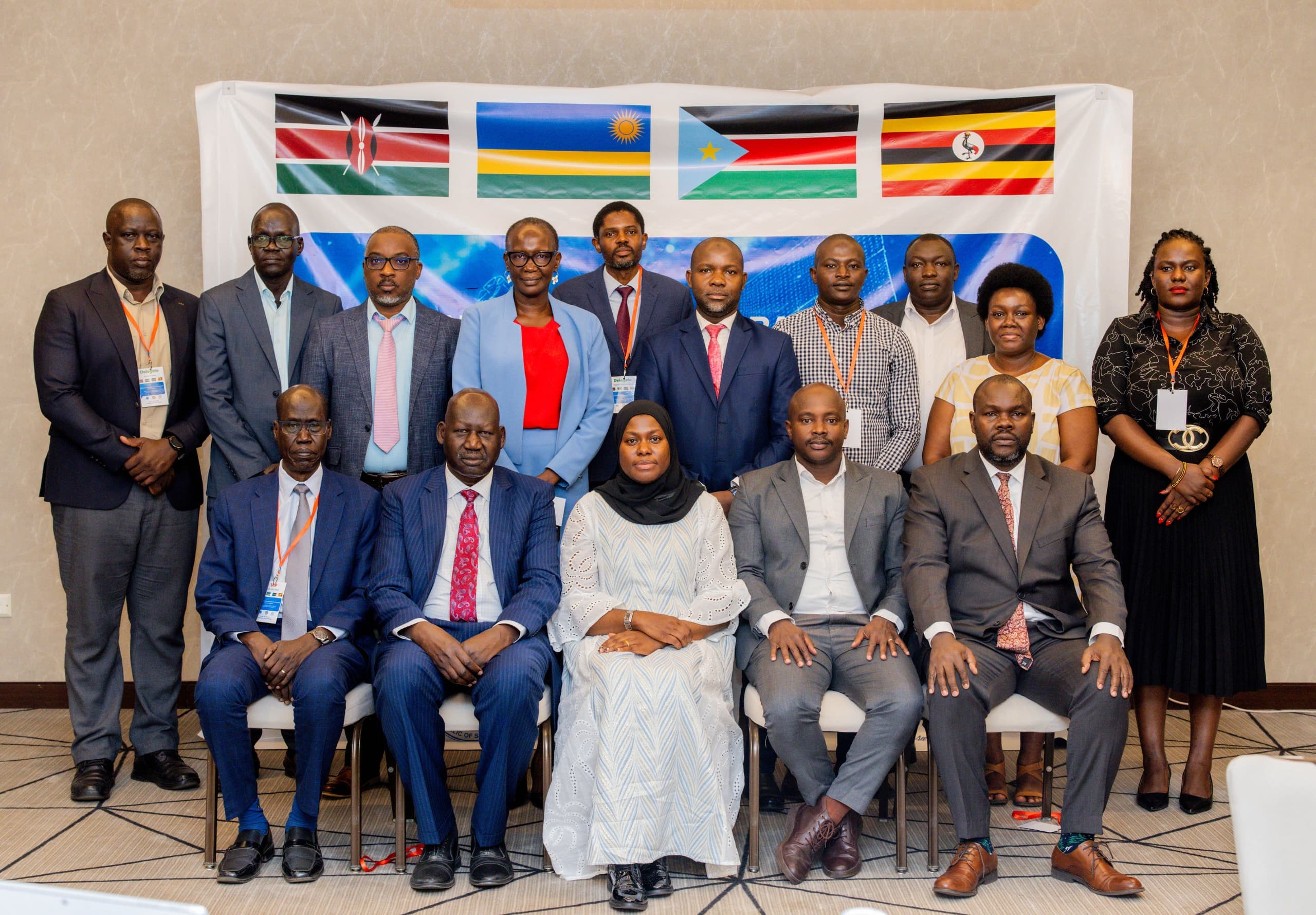
Government officials overseeing ICT infrastructure under the Northern Corridor Integration Projects (NCIPs) concluded a two-day regional meeting focused on setting up a regionally owned communication and broadcasting satellite. The discussions, guided by the directives from the 14th NCIP Heads of State Summit, aimed at enhancing connectivity across member states.
Dr. Aminah Zawedde, Uganda’s Permanent Secretary at the Ministry of ICT & National Guidance and Chairperson of the ICT Infrastructure Development Cluster, led the meeting. Attendees included Dr. Lado Wani Kenyi, Undersecretary for Telecommunication and Postal Services at South Sudan’s Ministry of Information, Communication Technology and Postal Services, alongside representatives from Kenya, Rwanda, South Sudan, and Uganda.
Dr. Zawedde reaffirmed Uganda’s commitment to digital transformation, aligning it with the National Development Plan’s priority areas: agro-industrialisation, tourism, mineral development, and science and technology, collectively known as ATMS. She also stressed Uganda’s dedication to coordinating and tracking the progress of NCIP decisions.
The officials reviewed a report from the Technical Committee on the proposed regional satellite. They welcomed the initiative as a cost-effective solution to enhance digital terrestrial television (DTT) access and expand rural connectivity. The meeting recognised that existing regulations across member states favour the satellite project and pledged flexibility for necessary adjustments.
The meeting resolved to finalise the roadmap for launching the satellite and mobilising funds for a feasibility study. Officials also assessed the progress of NCIP projects and explored ways to tackle existing challenges through regional collaboration.
On the sidelines, Uganda’s delegation met Uganda’s Ambassador to Juba, Gen. Ronnie Balya. Dr. Zawedde and her team acknowledged the embassy’s role in fostering cooperation between the two nations.
The Northern Corridor is a crucial transport route linking Uganda, South Sudan, Rwanda, Burundi, and the Democratic Republic of Congo to Kenya’s port of Mombasa. It currently serves about 120 million people, including communities in southern Ethiopia and northern Tanzania.