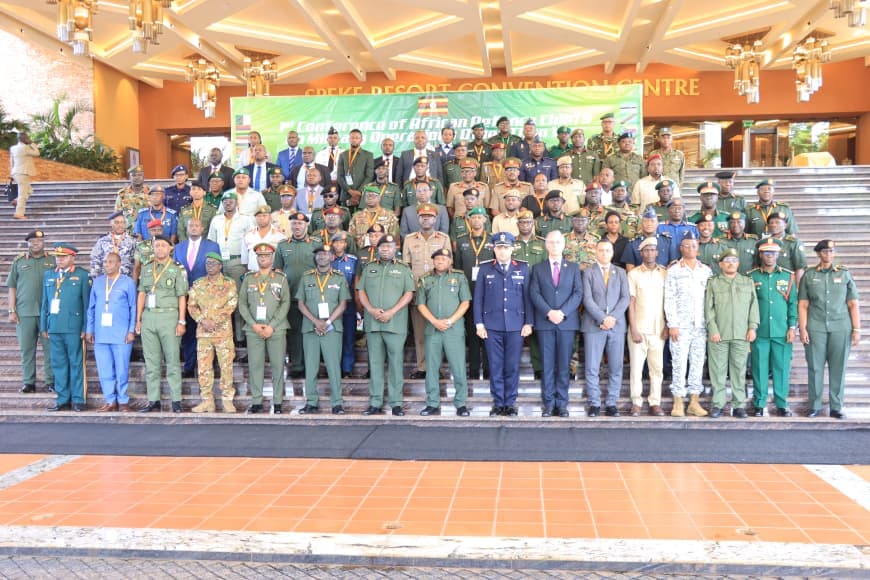


Telecommunications experts from across Africa gathered in Kampala, Uganda, for a Knowledge Exchange and Stakeholder Engagement Workshop on the One Africa Network (OAN) and the EAC One Network Area (ONA).
Hosted by Smart Africa and the EAC Secretariat, the workshop marked a major step towards a harmonised telecom framework across the continent. It brought together policymakers, regulators, mobile network operators (MNOs), and development partners to address key policy, regulatory, and implementation challenges affecting Africa’s digital integration.
The OAN and ONA initiatives aim to make cross-border communication more affordable by eliminating excessive roaming charges, harmonising regulations, and fostering greater cooperation among African nations. These efforts seek to boost regional integration, economic growth, and access to digital services.
Speaking at the opening, Smart Africa’s Senior Director of Strategy and Growth, Didier Nkurikiyimfura, reaffirmed Smart Africa’s commitment to an interconnected digital economy. He stressed that Smart Africa remains dedicated to achieving the vision of its 40 member states in accelerating digital integration across the continent.
Representing EAC Secretary General Veronica Nduva, EAC Principal Information Technology Officer Eng. Daniel Murenzi highlighted that the region has pursued affordable connectivity since 2014. He recalled that in 2015, EAC Heads of State directed the implementation of the One Network Area (ONA) to eliminate roaming charges and introduce uniform calling rates within the region.
Six of the eight EAC Partner States have adopted aspects of the ONA, significantly lowering roaming costs, while efforts continue to bring the Democratic Republic of Congo and Somalia into the framework. He added that the EAC remains committed to digital integration and collaboration with Smart Africa and other partners to build a Single Digital Market that ensures affordable communication across Africa.
The EAC, through the World Bank-funded Eastern Africa Regional Digital Integration Project (EARDIP), is working on regulatory frameworks to complete the ONA rollout. However, stakeholders acknowledged that reliable network infrastructure is crucial for seamless roaming, yet disparities exist in telecom investments across countries. Some regions lack mobile towers, fibre-optic connections, or sufficient network capacity to support cross-border roaming.
Addressing this gap requires increased investment, regional cooperation, and policy support to improve infrastructure and ensure reliable connectivity. Establishing a unified roaming system across multiple countries also demands coordination between governments and service providers. Differences in regulations, economic conditions, and telecom policies complicate efforts to create a single, harmonised framework that benefits both consumers and businesses.
Stakeholders stressed the need for a robust regulatory framework to harmonise policies, enable cross-border connectivity, and create a fair and sustainable roaming environment. Aligning tax policies, lowering regulatory barriers, and ensuring fair competition are key to achieving this goal.
High roaming costs remain a major concern. While consumers face steep charges when using mobile networks outside their home countries, service providers must balance affordability with financial sustainability. The challenge lies in designing pricing models that lower costs for users while allowing operators to invest in network improvements and maintain service quality.
The workshop examined different pricing models, including a bloc-to-bloc approach, bloc-to-individual country agreements, country-to-country deals, and a tripartite framework covering EAC, COMESA, and SADC. Experts recommended prioritising a Continental Roaming Framework or the bloc-to-bloc model for a structured and gradual rollout.
The workshop also addressed other challenges, including SIM boxing fraud, the need for regional interconnection gateways, inter-operator settlement mechanisms, dispute resolution, and fraud management. Participants agreed that structured implementation strategies for international roaming are essential.
The workshop served as a key platform for aligning regional priorities with Africa’s broader digital integration goals. Stakeholders made notable progress in refining the regional roaming framework, leveraging existing structures to create a more inclusive, sustainable, and forward-looking telecommunications landscape for the continent.