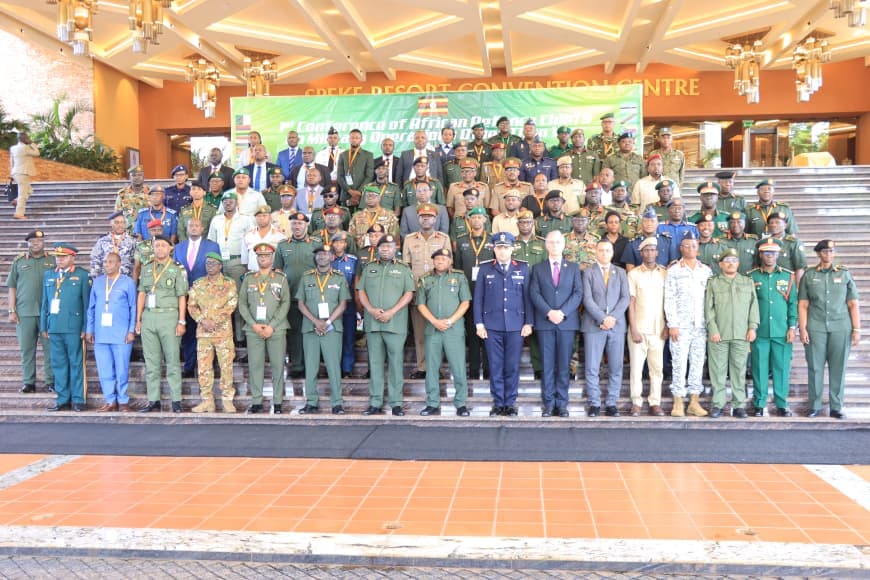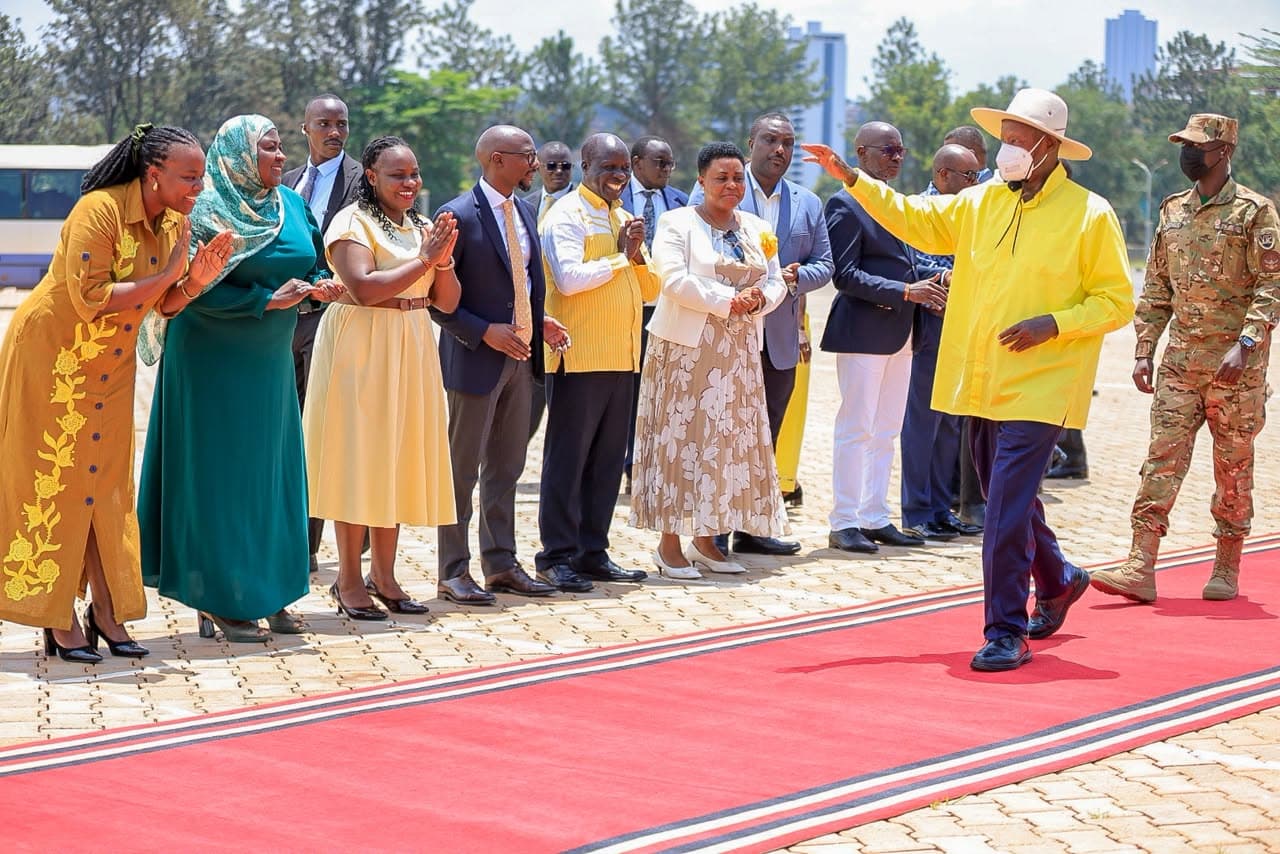

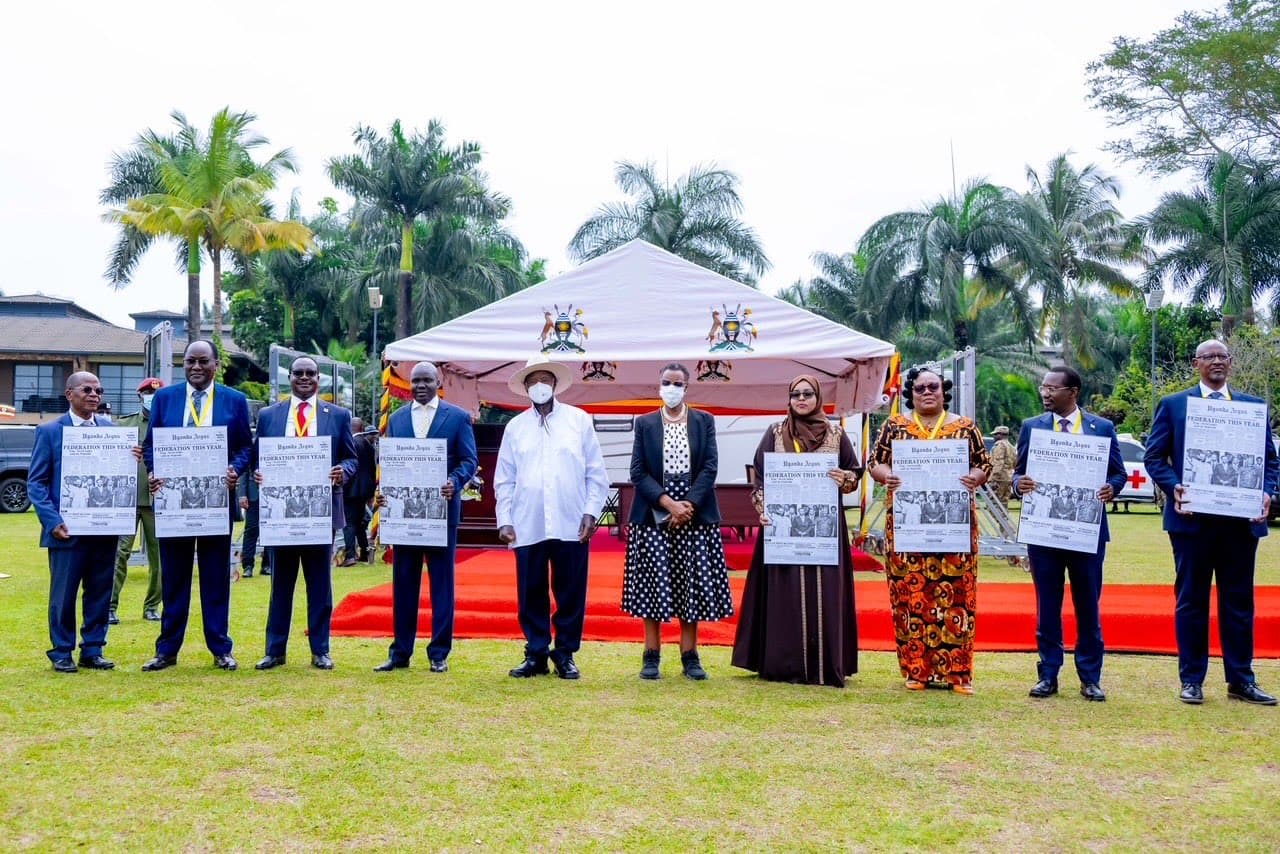
President Yoweri Kaguta Museveni on Tuesday told ministers and education leaders at the first Regional Ministerial Conference on the East African Community Common Higher Education Area (EACCHEA) at Speke Resort Munyonyo that regional integration is not optional but essential for East Africa’s prosperity, security, and transformation.
He laid out five pillars of integration: prosperity, socio-economic transformation, Pan-Africanism, democracy, and strategic security. Prosperity, he said, would only come if families, companies, and individuals produced goods or services sustainably and accessed wider markets.
“The only way to achieve prosperity is when each family, company, or individual is involved in producing a good or service with ekibaaro (calculation). If you do that sustainably and sell it, you will get money and solve your problems,” he explained.
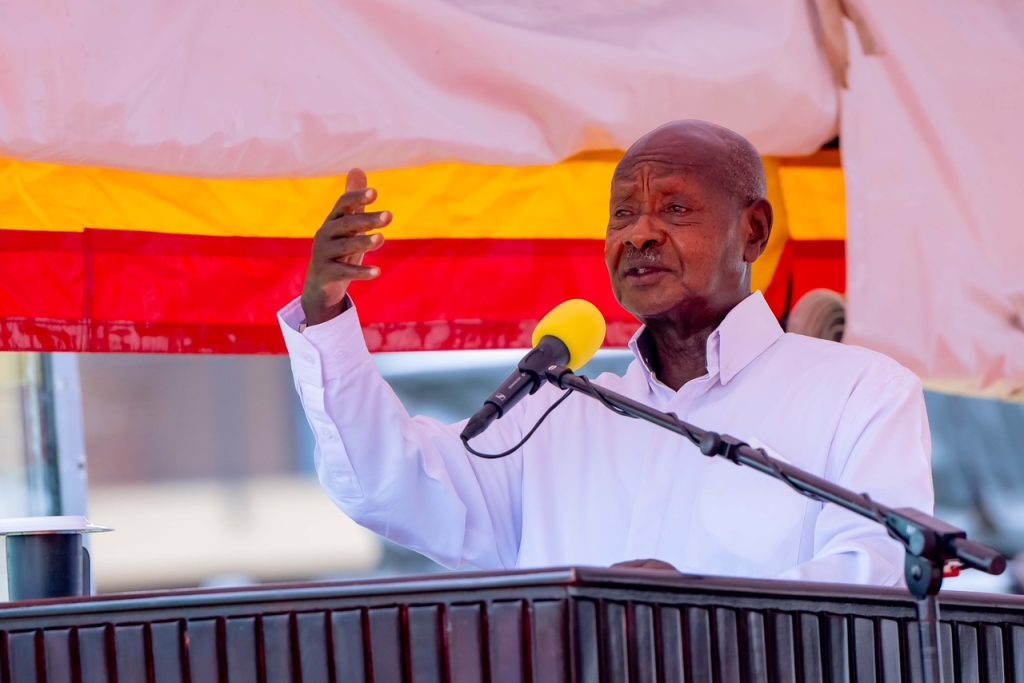
Museveni stressed that education must underpin this vision by preparing citizens to thrive in regional markets. He linked Uganda’s lower middle-income status to the stability integration brings. “With all that is happening all over the world, if you are weak you cannot survive. Apart from economic integration for the whole of Africa, where possible there should also be political integration,” he said.
First Lady and Minister of Education and Sports, Maama Janet Museveni, framed higher education as a bridge between policy and daily life. She said the EAC Common Higher Education Area must not only attract students and faculty but also drive socio-economic transformation.
“Higher Education needs to transform itself from being perceived as an ivory tower of ideas, to becoming the solution to common socio-economic challenges that households encounter in their day-to-day lives,” she noted, citing Uganda’s Parish Development Model as an example where universities could add value at the grassroots.
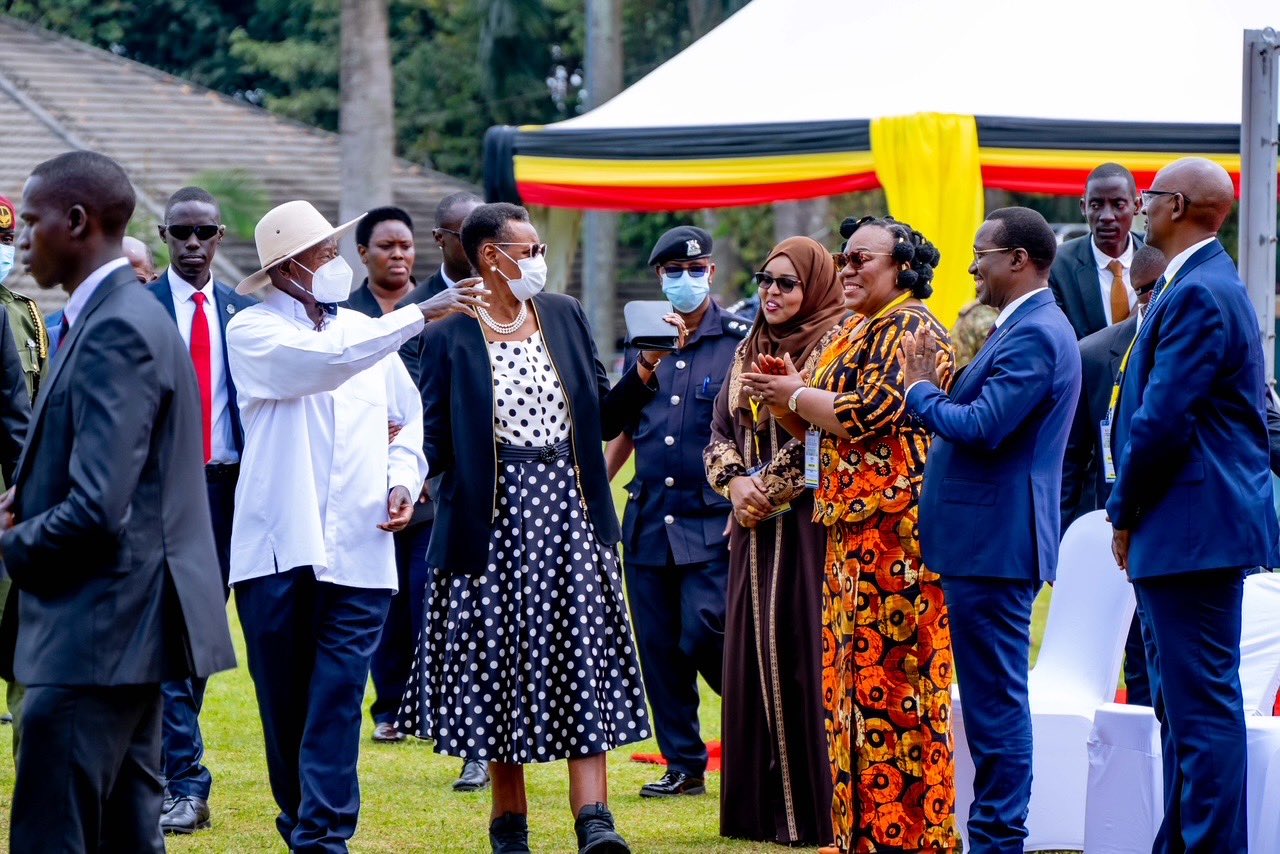
She argued for a “cottage industry mindset” among graduates, drawing from global models that lifted communities out of poverty. “Imagine if the estimated 70 percent of the EAC population that lives in rural areas was fired up with a culture of cottage industry – how much socio-economic transformation would that bring our society?” she asked.
Other leaders echoed the call for harmonization. Prof. Mary J.N. Okwakol, Executive Director of Uganda’s National Council for Higher Education, called the conference a “landmark moment” for regional collaboration in quality assurance, research, and labor mobility.
“This Conference signals a shared commitment to a higher education setting that is coherent, competitive, and trusted across the region,” she said.
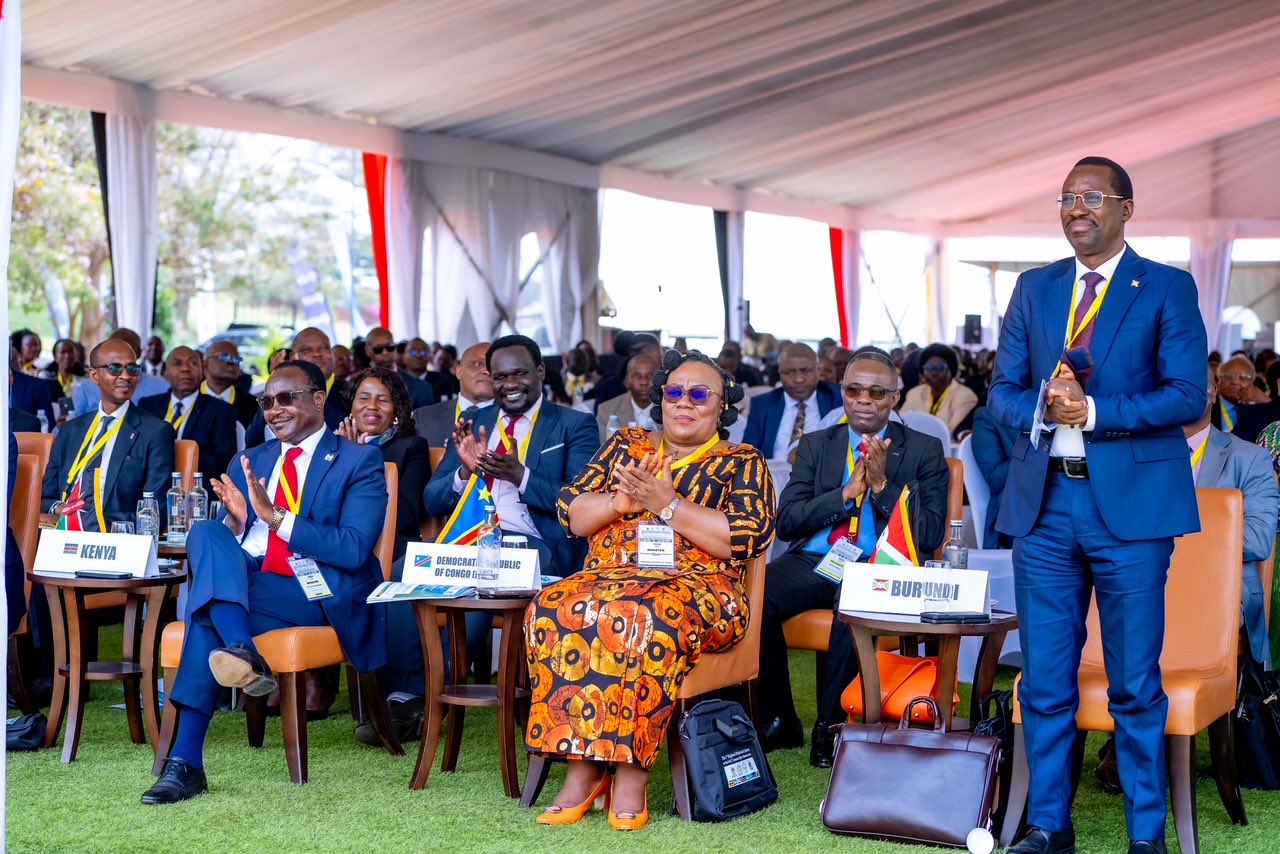
Professor Gaspard Banyankimbona, Executive Secretary of the Inter-University Council for East Africa, emphasized the link between education and the Common Market. “The free movement of skilled graduates, enabled by mutual recognition of qualifications and supported by scholarship programs, is not a distant ideal. It is a necessary condition for the success of the EAC Common Market and the broader integration agenda,” he said.
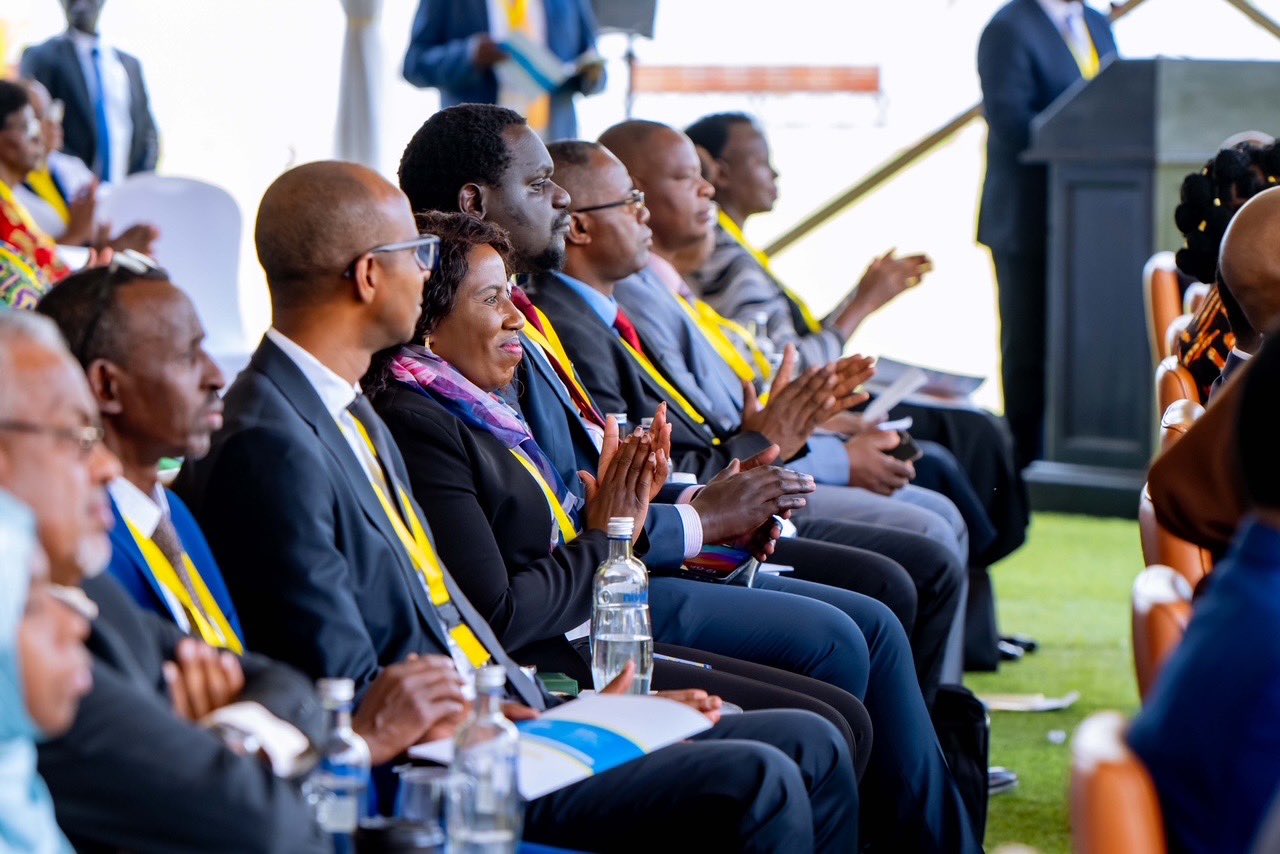
Representing the EAC Secretary-General, Deputy Secretary-General Hon. Andrea Ariik described the gathering as “historic,” highlighting achievements such as the East African Qualifications Framework for Higher Education and a regional quality assurance system. He also cautioned that underfunding, outdated infrastructure, and staff shortages could undermine progress unless tackled with urgency.
The conference closed with a shared conviction: integration in higher education is not only about harmonizing curricula but also about shaping the future of over 300 million East Africans through shared prosperity, stability, and innovation.