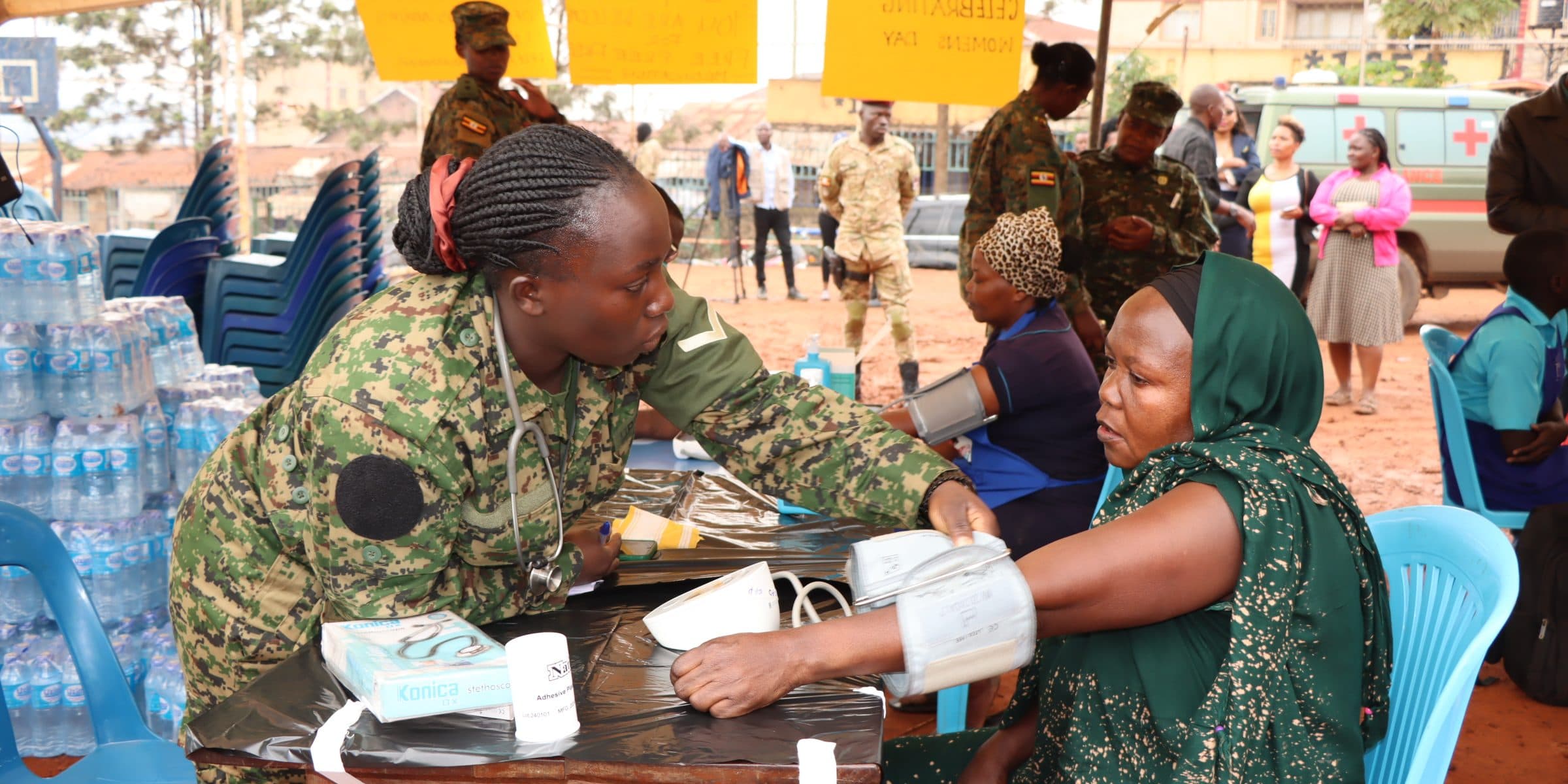
More than 3,000 residents in the Karamoja sub-region have received free medical care during a multi-day outreach organised by the Uganda Peoples’ Defence Forces (UPDF), targeting some of the region’s most underserved communities.
The medical camp, conducted by the UPDF’s 3 Infantry Division, formed part of nationwide activities ahead of the 45th Tarehe Sita anniversary celebrations due to be held in Kabale District.
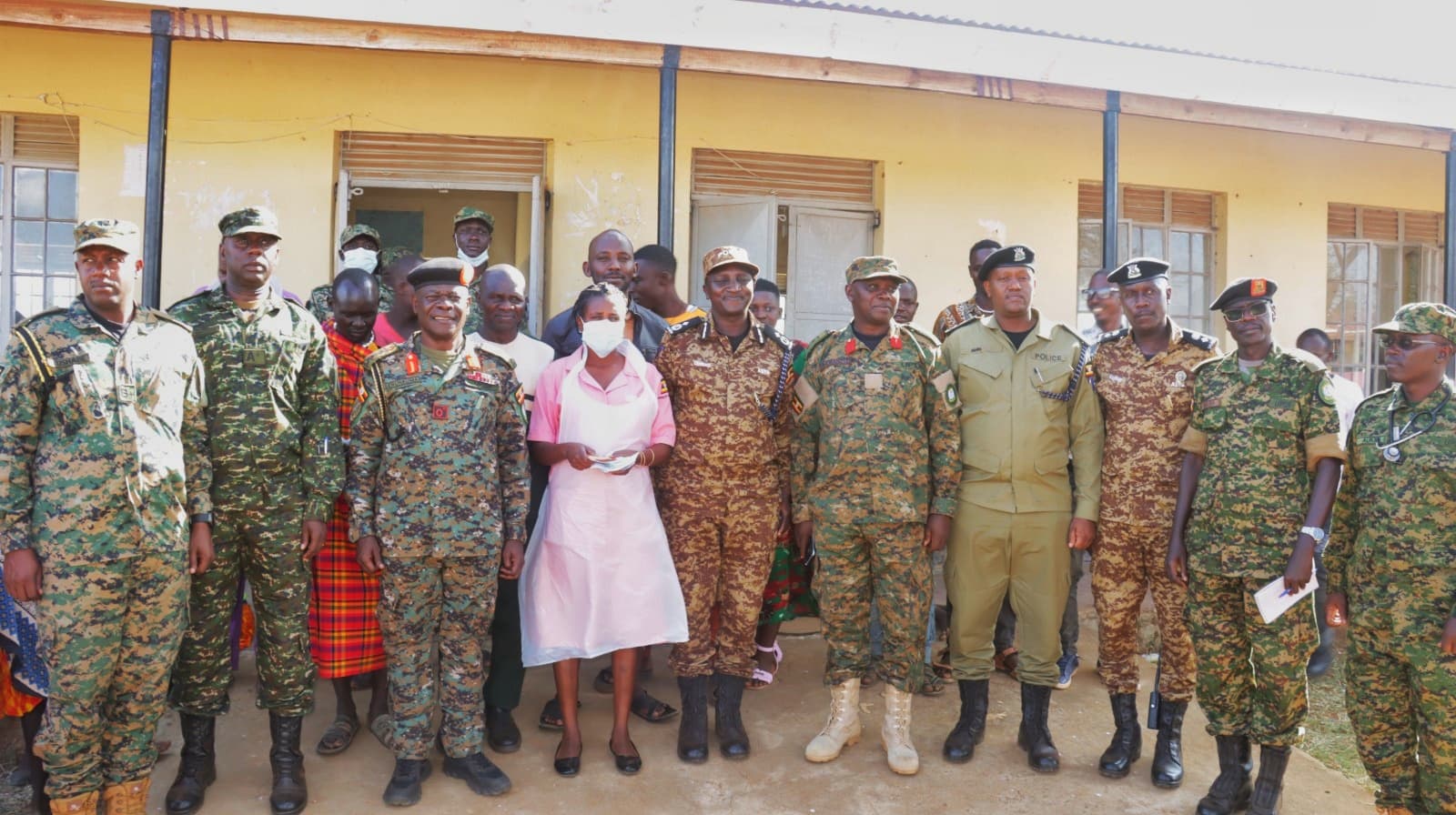
The Commander of the 3 Infantry Division, Maj Gen Wilberforce Sserunkuma, said the outreach prioritised elderly and vulnerable residents who struggle to access formal health facilities due to distance and terrain.
“This medical camp is meant to benefit our older people who are not able to travel to distant health facilities,” Maj Gen Sserunkuma said.
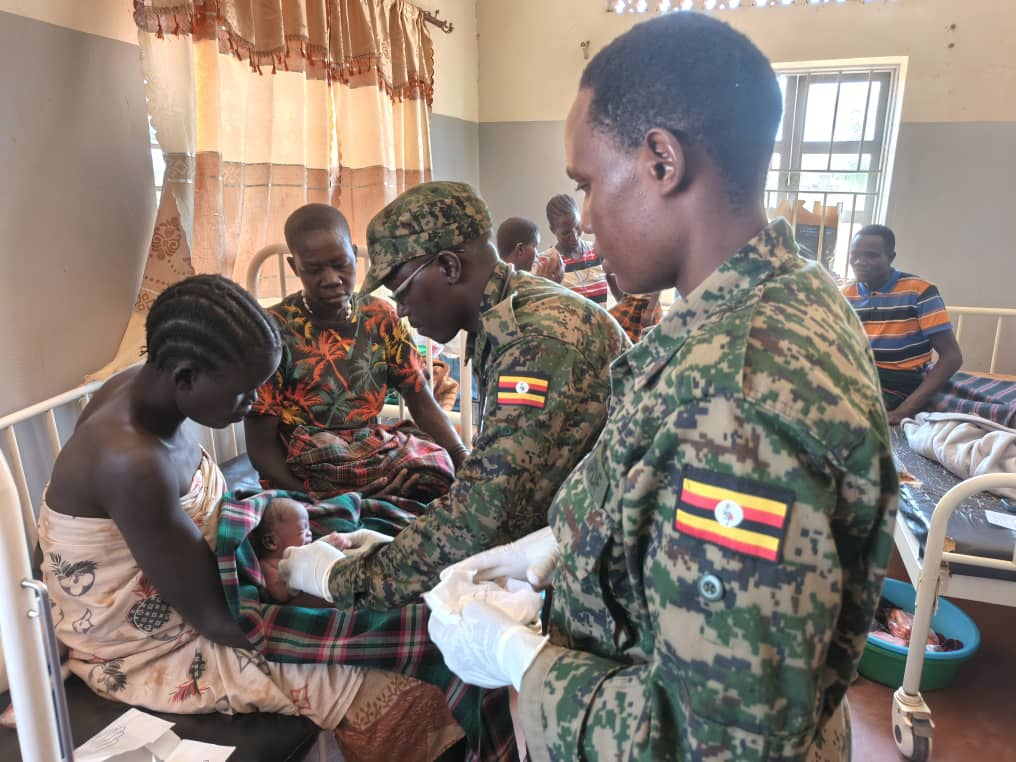
He added that the initiative strengthens civil–military cooperation while complementing the ongoing Usalama Kwa Wote security operation, which he said has helped restore peace and opened the door to development in Karamoja and neighbouring districts.
Moroto District Local Government Chairperson, Hon. David Koryang, welcomed the intervention, saying it had brought critical services closer to hard-to-reach communities, particularly the Tepeth.
“The effort by the UPDF to offer these medical services cannot be taken for granted,” Koryang said, noting that rugged terrain continues to limit access to healthcare for many residents.
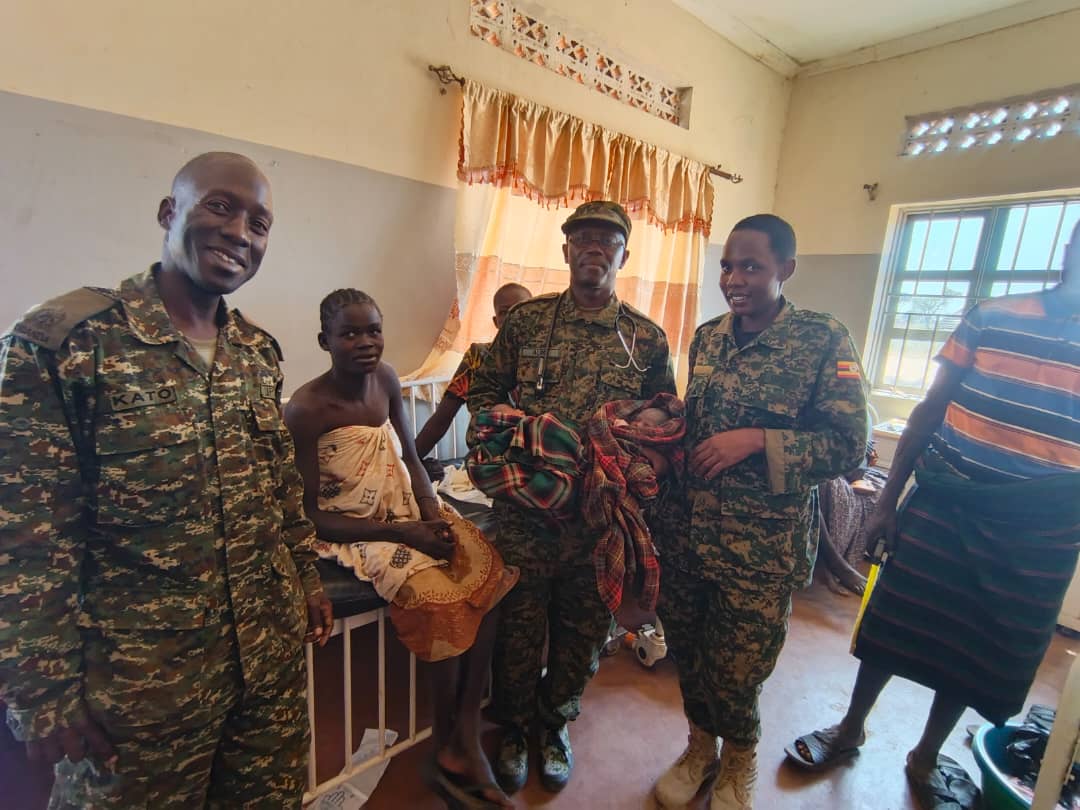
According to the camp’s lead physician, Private Dr Auki Andrew, the mobile medical team began operations in Karenga District on December 5 and moved across several districts in the sub-region.
Dr Auki said the team treated a total of 3,030 patients, most of them elderly people, women and children.
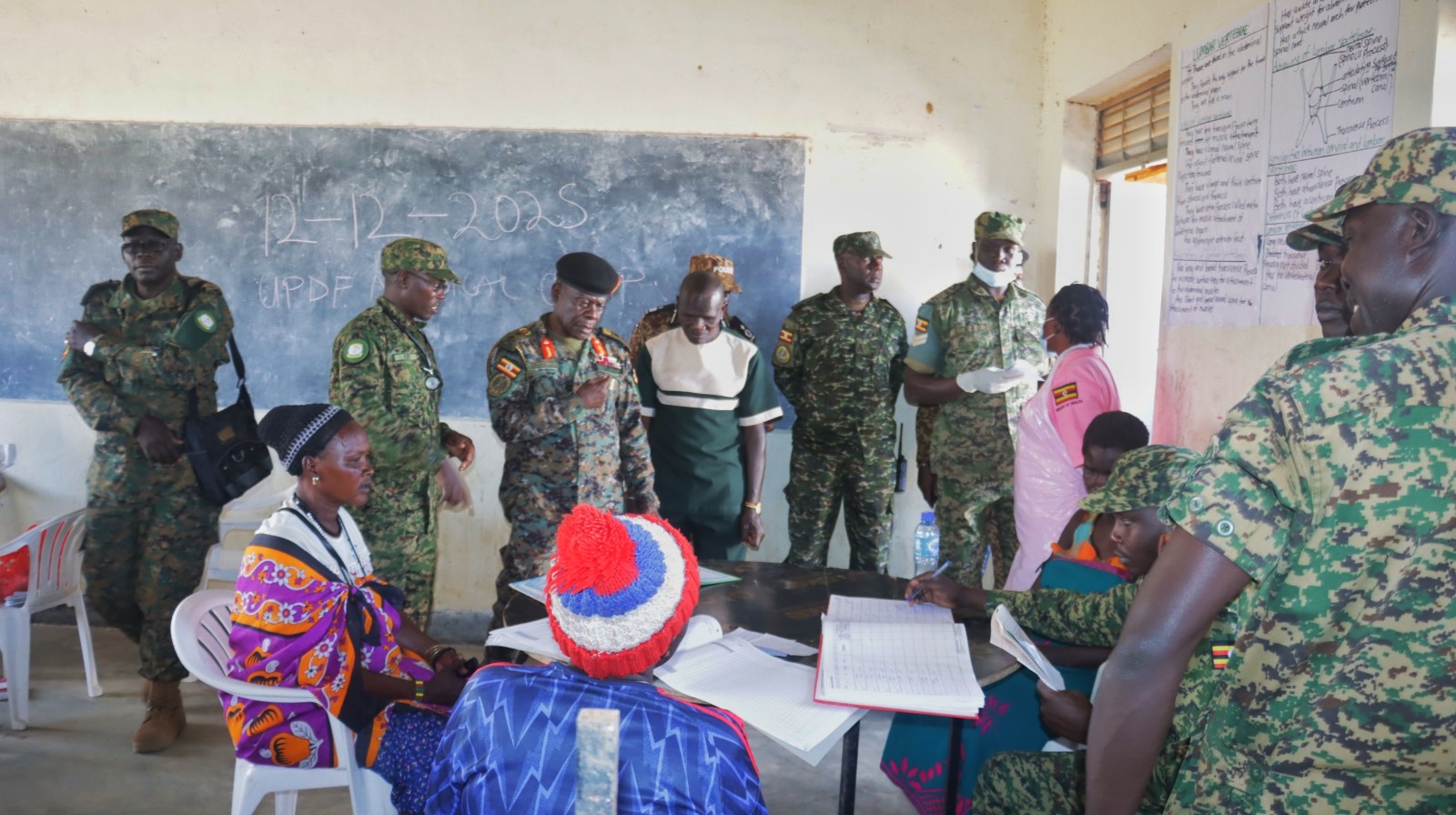
Patient numbers recorded included Karenga (693), Kaabong (396), Kotido (603), Napak (484), Nabilatuk (412), Nakapiripirit (385) and Moroto (87).
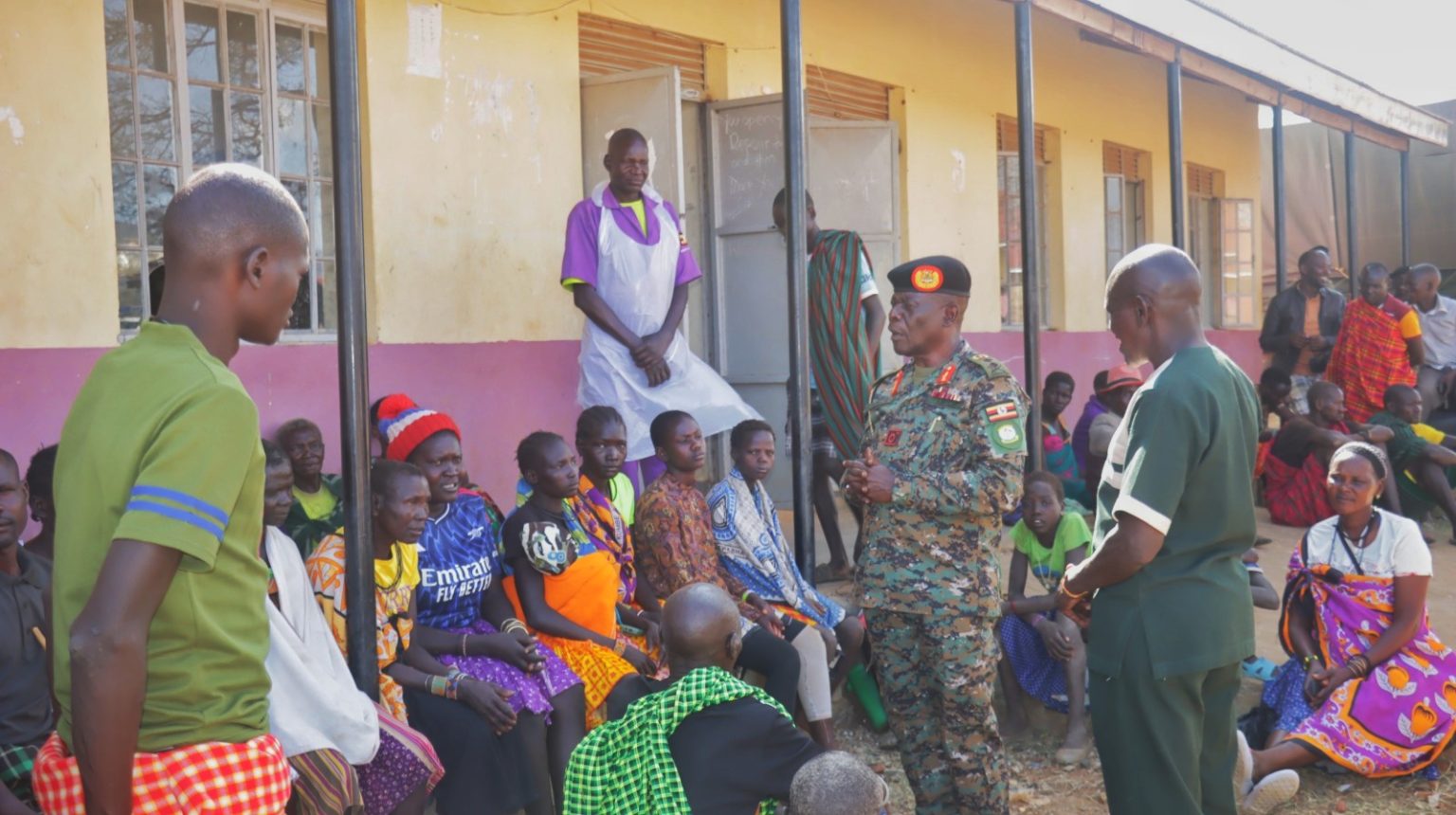
He said the most common conditions treated were respiratory tract infections, malaria, urinary tract infections and eye infections.
The outreach underscored the UPDF’s expanding role in humanitarian support, particularly in remote areas where access to healthcare remains limited.