Uganda must strengthen its finances against fresh economic shocks as the International Monetary Fund (IMF) warns that wars and trade disruptions threaten to drive up prices and deepen debt pressures.
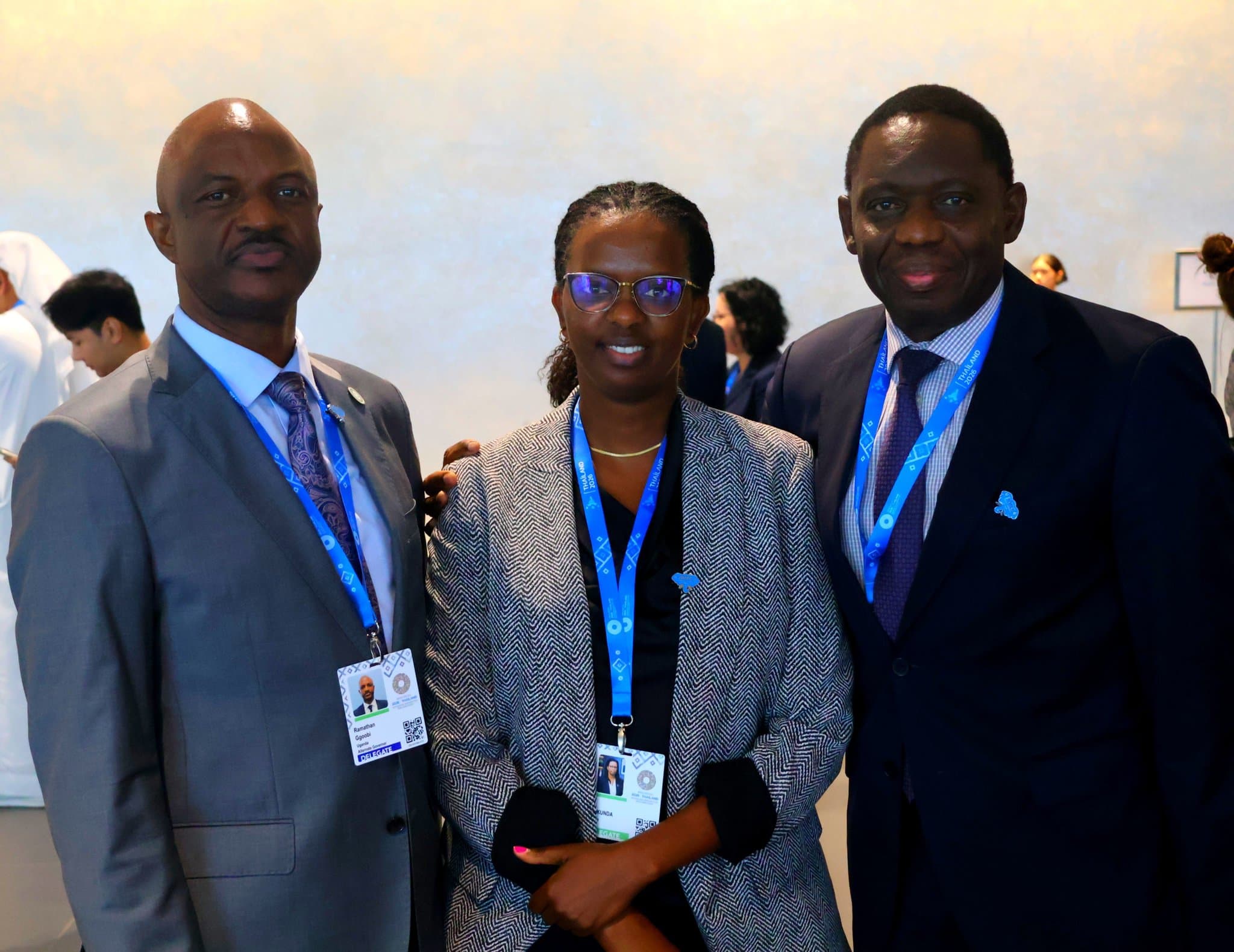
The warning emerged from the IMF and World Bank annual meetings in Bangkok, Thailand, which ran from October 12 to October 18, 2026. Finance ministry Permanent Secretary and Secretary to the Treasury Ramathan Ggoobi and Bank of Uganda Governor Michael Atingi-Ego attended the closing discussions.
For Ugandan households and businesses, the concern is the pressure that disrupted trade and higher global commodity prices could place on daily expenses. For the government, the challenge is to contain borrowing needs while maintaining public services and investment.
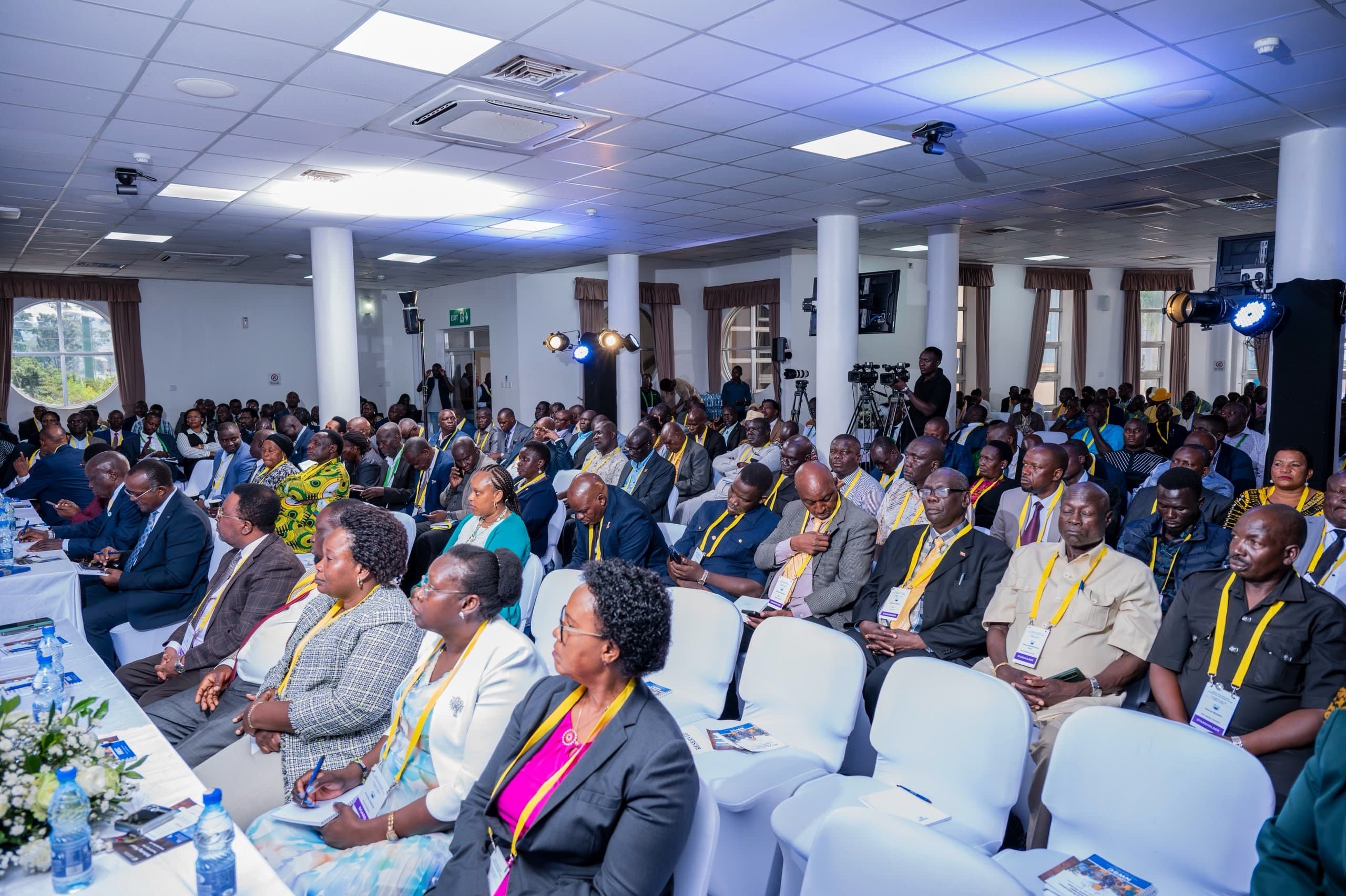
According to the Finance ministry, Ggoobi and Atingi-Ego attended the 54th meeting of the International Monetary and Financial Committee (IMFC). The committee advises the IMF’s Board of Governors on the global monetary and financial system.
Saudi Finance Minister Mohammed Aljadaan, who chaired the meeting, warned that the global economy’s ability to withstand repeated shocks was weakening.
“Wars and conflicts continue to impose a heavy humanitarian toll, with large economic costs and significant negative spillovers. Disruptions to supply chains and trade tensions are adding to uncertainty and price pressures,” he said, according to the ministry.
The committee urged governments to address weaknesses in public finances and adopt credible plans to keep debt sustainable. It also warned that escalating conflicts could disrupt trade routes and worsen energy and food insecurity.
For Uganda, that message puts government revenue, spending discipline and debt management at the centre of preparations for further shocks. Stronger finances would give the country more room to respond when unexpected costs arise.
IMF Managing Director Kristalina Georgieva told members that the world economy had remained resilient, but its capacity to absorb further shocks was running down.
The Finance ministry said she urged countries to rebuild financial reserves, reduce debt and confront weaknesses before they become crises. She also called for stronger protection against cyber threats and greater use of artificial intelligence.
Aljadaan said central banks remained committed to keeping prices stable. He urged governments to support that effort through consistent economic policies and international cooperation.
The committee also stressed that efforts to rebuild government finances should protect vulnerable people and investments that support growth. This leaves policymakers with the task of containing debt without undermining livelihoods or economic activity.