

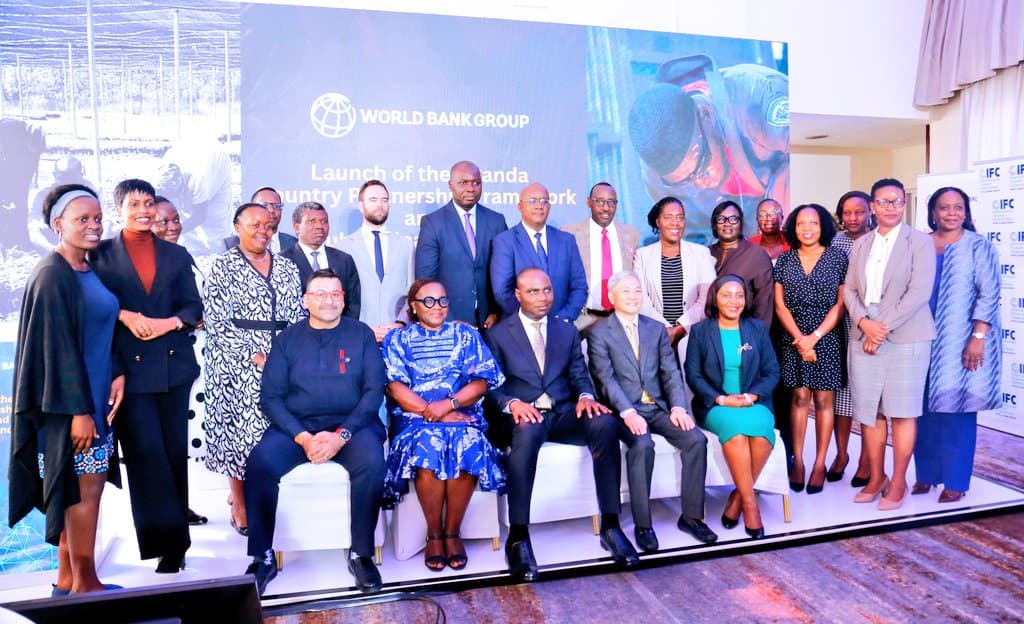
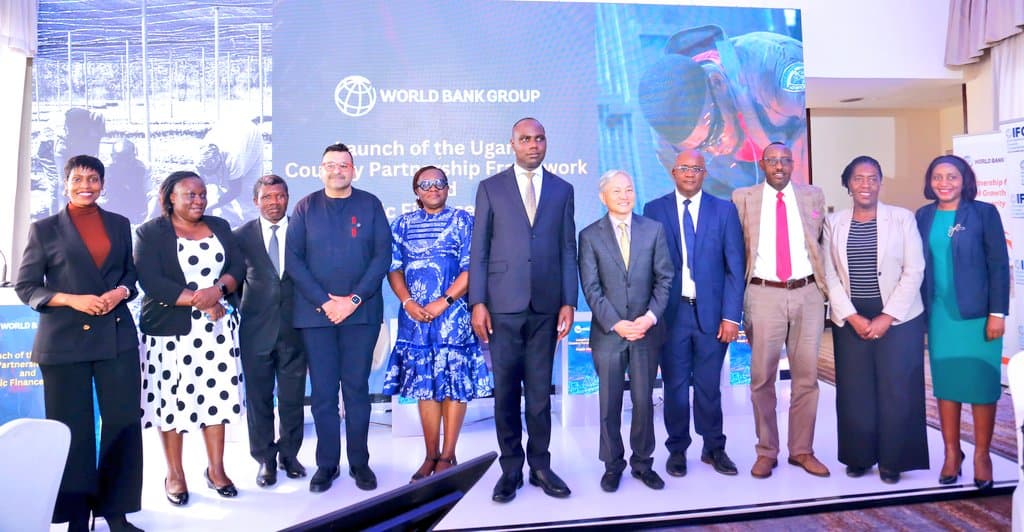
Minister of Finance, Hon. Henry Musasizi, has launched a 10-year operational strategy backed by the World Bank to propel Uganda toward upper-middle-income status.
The Finance Minister unveiled the Uganda Country Partnership Framework alongside the Public Finance Review report at the Golden Tulip Hotel.
The dual-report launch outlines Uganda's development financing and public spending priorities as the country transitions into its highly anticipated oil-producing decade.
The new partnership framework directly aligns with Uganda's ambitious Tenfold Growth Strategy and the Fourth National Development Plan.
Under the 10-year master plan, the World Bank Group expects to mobilize and leverage private capital at scale, estimated at USD 3.8 billion, to bankroll national development priorities.
The comprehensive strategy focuses heavily on wealth creation, job generation, economic governance, human capital development, and critical infrastructure.
Hon. Musasizi stated that the government will enforce absolute fiscal discipline to grow Uganda into a USD 500 billion economy.
“Our focus going forward will remain on prudently executing the tenfold growth strategy to turn Uganda into a 500-billion-dollar economy, enforcing absolute discipline, enhancing revenue mobilization, wealth creation and oil revenue management,” Musasizi said.
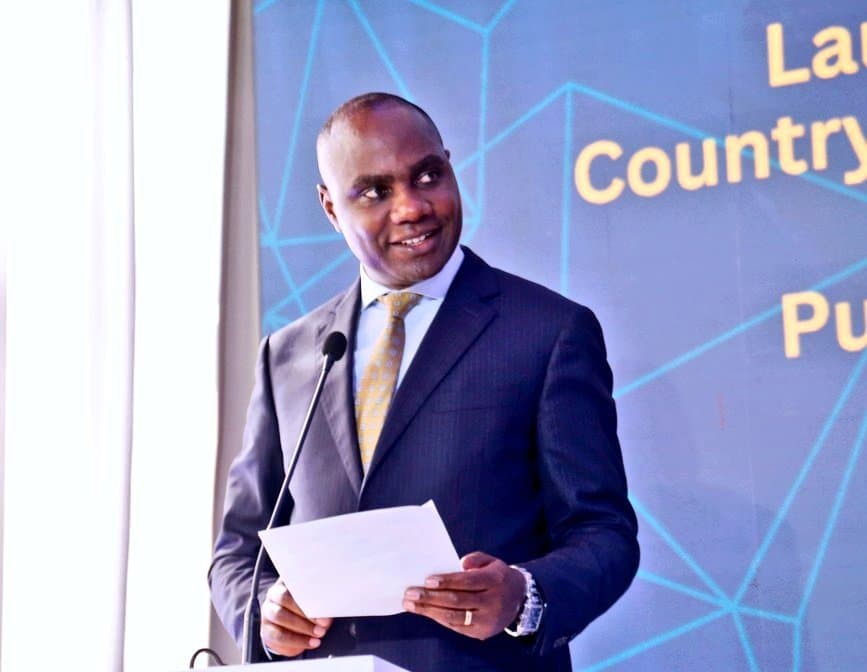
The Public Finance Review report explicitly warns that long-term, sustainable prosperity will not depend on oil windfalls alone.
The World Bank review notes that economic sustainability requires strong institutions, efficient public spending, robust domestic revenue mobilization, and continuous investment in citizens.
Hon. Musasizi maintained that Uganda has successfully preserved its macroeconomic stability despite experiencing severe global economic shocks.
The minister emphasized that future state investments will prioritize human transformation over mere administrative project approvals.
“As we scale up public investment, let us remember that development is not measured by the size of our budgets, the number of projects approved or policies adopted but by the lives transformed, opportunities created and lasting impact on citizens,” Musasizi added.
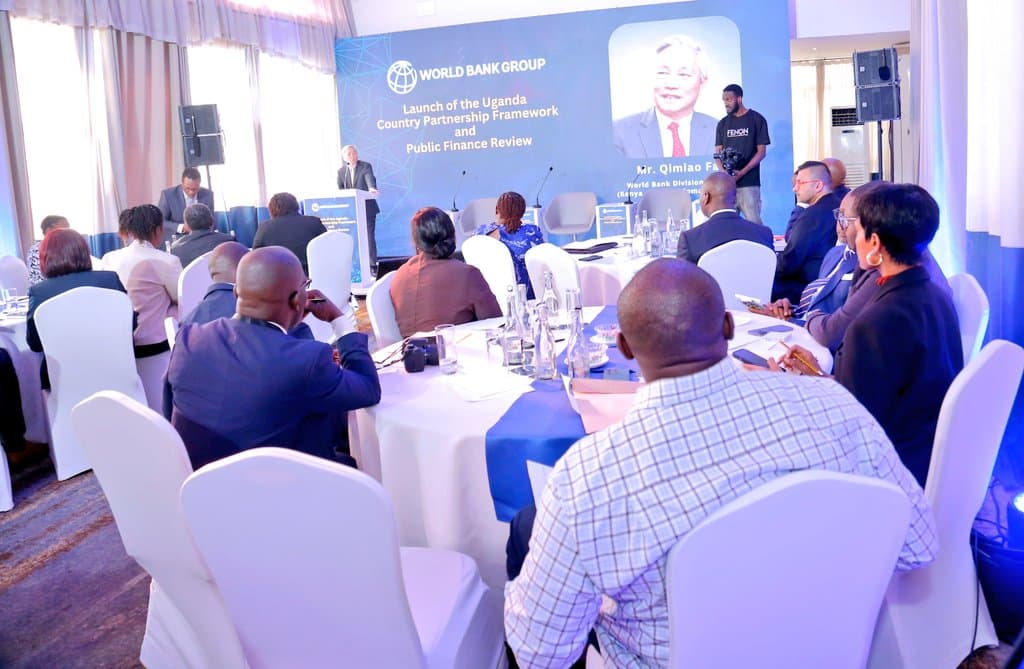
World Bank Division Director for Kenya, Rwanda, Somalia, and Uganda, Qimiao Fan, announced a structural shift in how the global lender deploys development aid.
The bank is moving away from financing isolated projects in favor of executing broader, sector-wide interventions.
The high-stakes institutional reforms occur as the government moves to improve public service delivery and fortify public institutions for the complex management of incoming petroleum revenues.