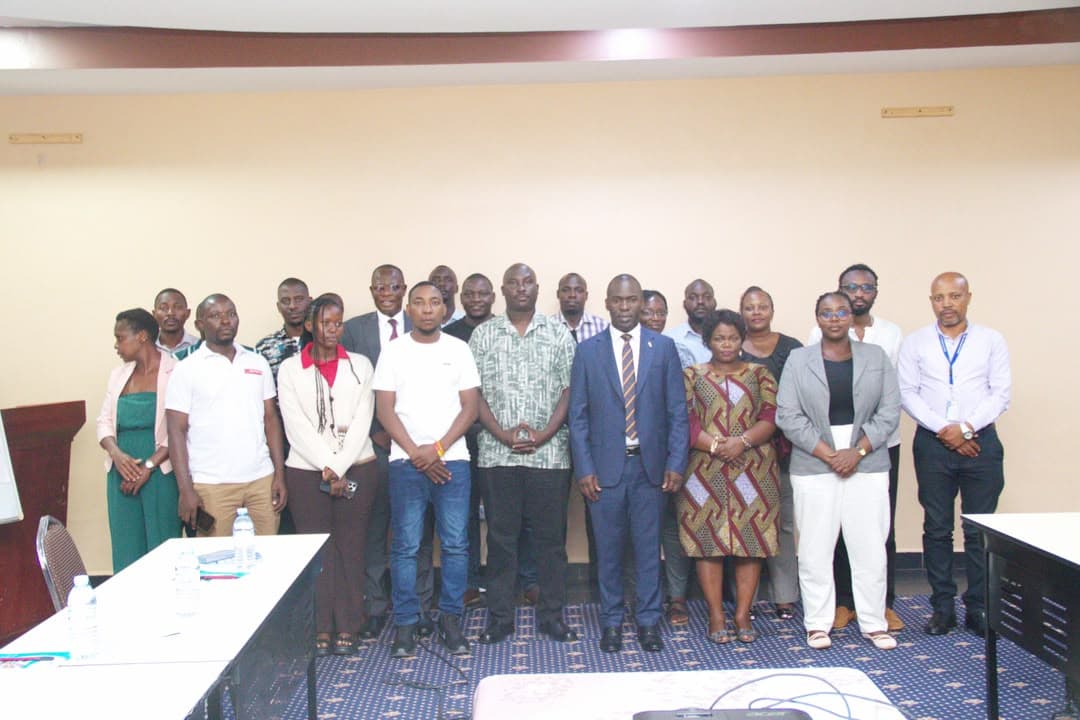
The Equal Opportunities Commission (EOC) has turned to online journalists to help expose discrimination and reach Ugandans who do not know where to seek help.
At a dialogue at Silver Springs Hotel in Bugolobi, Kampala, on Thursday, October 15, Commission officials acknowledged that limited public awareness of its work remains a barrier to reaching people who face exclusion.
The Commission wants digital media practitioners to, among others, investigate discrimination, scrutinise access to public services and explain the remedies available to affected communities.
Yusuf Muziransa, the commission’s principal information and communications officer, said closer ties with online journalists could help close this information gap.
“The Commission has a broad mandate that touches the lives of many Ugandans, particularly those who experience discrimination and marginalisation. Unfortunately, public awareness of our work remains limited,” Muziransa said.
“We believe stronger collaboration with online media can help bridge this gap and ensure that more people understand their rights and know where to seek redress.”
He urged journalists to look beyond individual accounts of hardship and investigate the systems that keep people out of education, employment, public services and government programmes.
These include barriers affecting women, persons with disabilities, older persons, children and other marginalised groups.
Proposed areas of cooperation include investigative journalism, regular media briefings and digital campaigns on discrimination and affirmative action.
Dr Shaft Nasser Mukwaya, the secretary to the commission, said digital platforms offer a faster way to connect with the public and explain its work.
“Digital media has transformed how we communicate with the public. It offers us an opportunity to reach millions of Ugandans quickly and directly,” Mukwaya said.
“If we are to effectively deliver our mandate, we must embrace these platforms and work closely with the journalists who use them to inform and engage the public.”
Established under the Equal Opportunities Commission Act, 2007, EOC’s mandate includes tackling discrimination and promoting affirmative action to address historical disadvantages.
Its work extends beyond public education. The commission reviews laws, policies and public programmes for compliance with equal opportunities requirements. It also receives and investigates discrimination complaints and provides legal or administrative remedies.
During the dialogue, officials outlined work covering Universal Secondary Education, the Parish Development Model, quota systems and the student loan scheme. They also cited research into women’s employment in the public sector and the circumstances of marginalised groups.
Mukwaya said Uganda’s diverse population makes equal opportunities essential. He pointed to the commission’s tribunal as one avenue for addressing discrimination complaints.
He said the commission has trained staff but needs a stronger regional presence to bring services closer to communities.
Commission member Habiibu Sseruwagi urged journalists to verify information before publication. He said media support could help the institution fulfil its mandate and improve people’s lives.
For the digital media partnership, the immediate task is to make the commission’s work more accessible: expose exclusion, explain people’s rights and show affected Ugandans where to seek redress.