

A report by the Mastercard Foundation highlights that Africans have some of the lowest access to formal financial services globally. Even when accounts are available, high transaction costs, insecurity, and inconvenience hinder usage. The report also shows that women, youth, and those in remote areas are the most underserved groups.
The lack of financial services access has left millions of Africans unable to secure credit, save, or invest. However, a wave of financial service expansions across Africa, driven by technology and innovation, is changing the landscape. Mobile money has been a vital driver of this financial inclusion, especially in underserved regions.
"Mobile money has fundamentally transformed financial inclusion in Africa," notes Terence Hove, Financial Markets Strategist Consultant to Exness. He explains that it has bridged the gap for millions previously excluded from formal financial services, providing them access to savings, loans, and investment products.
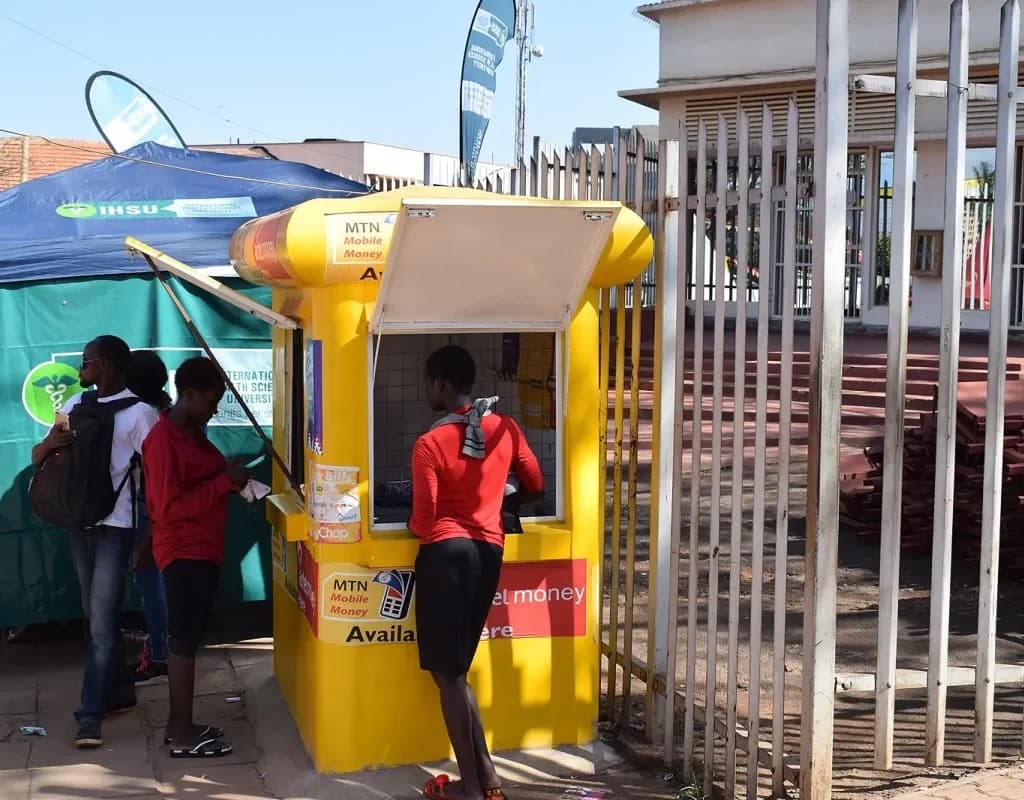
Platforms like Kenya's M-Pesa and MTN Mobile Money in West Africa have enabled users to transfer money, pay bills, and access loans without needing a bank account. Esther Waititu, Chief Financial Services Officer at Safaricom PLC, reveals that financial inclusion in Kenya rose from 23% in 2007 to 84% by 2023, thanks to M-Pesa.
These mobile platforms have become preferred due to their low costs and convenience, allowing millions to be included in formal economies for the first time. Mobile technology is also powering micro-lending and insurance, with fintech companies using mobile data to assess creditworthiness and offer small loans, crucial for SMEs and entrepreneurs.
For SMEs, mobile money is particularly essential as they often face challenges in adopting digital payments, limiting their participation in the digital economy. According to GSMA, Sub-Saharan Africa leads global mobile money adoption, increasing GDP in the region by more than $150 billion between 2013 and 2022.
A recent World Bank report underscores how crucial mobile money has been for economic development in Sub-Saharan Africa, attributing much of the region's growth in financial inclusion to mobile money adoption.