
The government has proposed an increase in excise duty on beer manufactured from local raw materials, raising the rate from UGX 650 to UGX 900 per unit. The measure, aimed at boosting domestic revenue and addressing public health concerns, is expected to raise UGX 19.40 billion in the upcoming financial year.
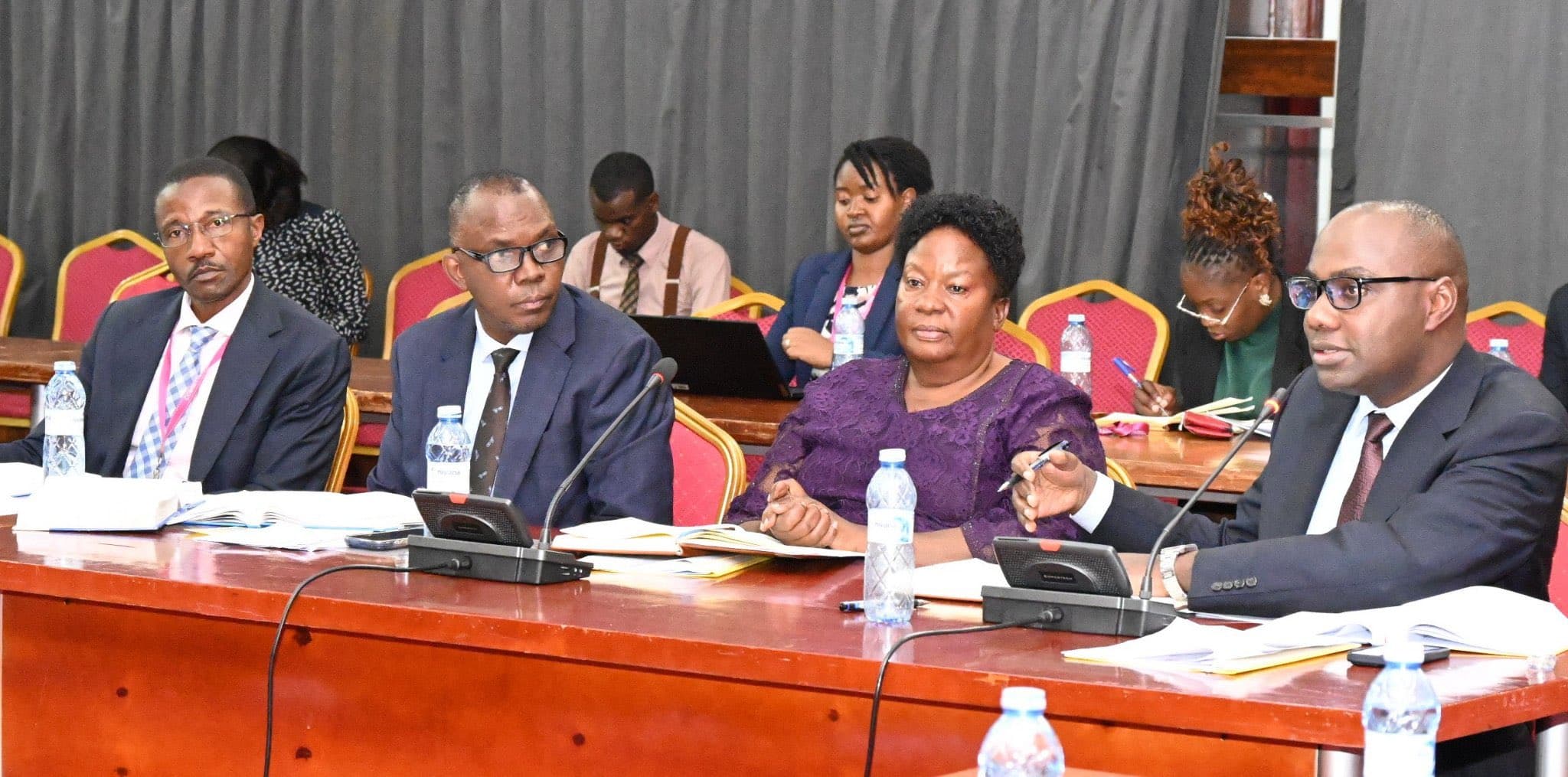
Announcing the proposal while presenting seven tax bills before Parliament’s Finance Committee, the Minister of State for Finance, Henry Musasizi, said the revision reflects rising inflation and is part of a broader strategy to discourage harmful consumption habits.
“This modest increase is intended to align beer taxation with current economic conditions and inflation. It will also ensure that taxation of beer remains fair while enabling government to raise revenue to finance the budget,” Musasizi said.
The minister also proposed an increase in excise duty on cigarettes, pointing to growing pressure from the health sector to curb tobacco consumption. “The excise duty on cigarettes in Uganda has not been adjusted since Financial Year 2017/18, yet inflation has risen by 28.8% over the period,” he explained. “This tax will help address the public health burden associated with tobacco use.”
New Import Fee to Fund Standard Gauge Railway
The government also introduced an import declaration fee on goods for home use, expected to generate UGX 79 billion. Musasizi said proceeds from the fee will be allocated to the construction of the Standard Gauge Railway (SGR), a key infrastructure project intended to enhance Uganda’s trade competitiveness.
“This measure will raise revenue for infrastructure investment, especially for the SGR. It will also make imports more expensive, encouraging import substitution and supporting local industries,” Musasizi told lawmakers.
He noted that the fee aligns Uganda with regional practices, with Kenya charging a 2% CIF fee and Tanzania a 0.6% customs processing fee.
Penalty Structure for EFRIS Adjusted
The government also moved to revise penalties under the Electronic Fiscal Receipting and Invoicing System (EFRIS). Previously, noncompliant taxpayers faced a flat UGX 6 million fine per invoice. Under the new proposal, penalties will be tied to the value of tax owed — twice the tax amount due — to ensure fairness.
“Concerns have been raised regarding the high penalties regardless of transaction value. The revised structure is more proportional and will reduce the burden on taxpayers,” Musasizi noted.
Tax Reforms to Generate UGX 2.4 Trillion
Combined with administrative measures from the Uganda Revenue Authority (URA), the new tax proposals are projected to raise UGX 2.420 trillion in the 2025/26 financial year. Of that, UGX 538.6 billion is expected from the tax policy measures outlined in the bills, while UGX 1.885 trillion will come from URA initiatives.
“To finance the budget, we are proposing modest but targeted tax policy changes. These reforms will strengthen domestic revenue mobilisation and help meet our national priorities,” Musasizi said.
To support the effort, URA plans to recruit 1,260 additional staff to expand taxpayer coverage, especially among high-net-worth individuals and sectors like construction, transport, and professional services. The move is part of a wider strategy to increase compliance and tackle corruption in revenue collection.
Bills Under Review
The seven tax bills presented include:
-
Income Tax (Amendment) Bill No.2, 2025
-
Excise Duty (Amendment) Bill No.2, 2025
-
Value Added Tax (Amendment) Bill, 2025
-
Tax Procedures Code (Amendment) Bill, 2025
-
Stamp Duty (Amendment) Bill, 2025
-
Hides and Skins Export Duty (Amendment) Bill, 2025
-
External Trade (Amendment) Bill, 2025
If approved, the reforms will reshape Uganda’s tax landscape, balancing fiscal needs with public health goals and long-term economic development.