

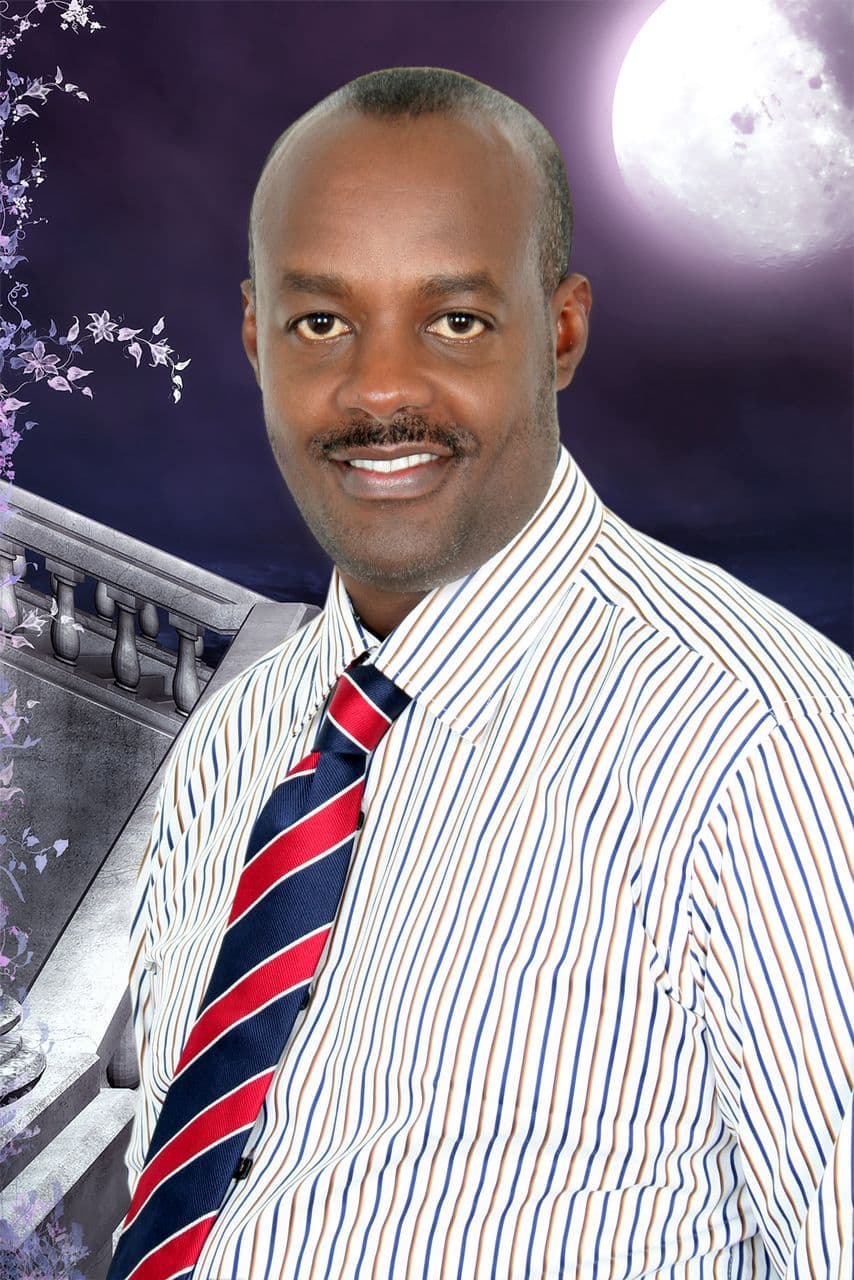
By Dennis Katungi
Have you ever been asked questions about the 6th of February, popularly known as Tarehe Sita? Children, the media, foreigners, and students tend to ask this question, especially during the Defence Forces Week, which runs from the last week of January through to the 6th of February each year.
What is Tarehe Sita? In this article, I explain the origin and significance of the 6th of February, known in Swahili as Tarehe Sita.
Tarehe Sita has, since the 6th of February 1981, been set aside to celebrate the founding of a people’s army, initially the Popular Resistance, which later became the NRA and eventually the UPDF. It symbolizes and recognizes all efforts of the founding fathers of the people’s revolution for freedom and democracy in Uganda, serving as the building blocks of the historic mission of socio-economic transformation.
Every 6th of February, beginning in 1981, the army and the people of Uganda join hands during the Defence Forces Week to engage in activities and celebrations aimed at strengthening the strategic relationship between the population and the defence forces. A culture of remembrance ought to be entrenched to ensure that armed personnel never forget their base in the community, while also reminding the people of their patriotic duty to participate in the defence of the country, as provided for under Article 17(2) of the Constitution of Uganda.
For some of us, the date and events are rather personal. On the night of the 5th of February 1981, my uncle, the late Nathan Ruyondo, who was the Town Clerk of Masaka, provided his own car to the then-rebel leader, Yoweri Museveni, who was heading to attack Kabamba Barracks. For this very act, he spent two years in Luzira Upper Prison under a detention order by Milton Obote. The date is embedded in our minds.
The 44th Tarehe Sita Anniversary, 2025, shall be celebrated in all units; however, the national celebrations shall be marked in Greater Masaka. The climax of the Defence Forces Week, on the 6th of February 2025, shall take place in Kyotera District, Kakuto Constituency, at Kasasa Town Council Grounds. The choice of Greater Masaka aligns with considerations made in the past three anniversaries, tracing the footprints of the people’s struggle for freedom and democracy.
This includes the contribution of Kikosi Maalum/TPDF, which played a pivotal role in liberating the country from the rule of Idi Amin. Similarly, the celebrations will honour the great Pan-Africanist solidarity, which needs to be celebrated.
The role of the people of Tanzania, particularly the unique contribution of Mwalimu Julius Nyerere, will be highlighted. For this reason, the 44th Tarehe Sita Anniversary will be celebrated under the theme: “Celebrating Pan-African Solidarity and the People’s Sacrifice in the Struggle for Freedom and Democracy for Socio-Economic Transformation.”
In celebrating this year’s Tarehe Sita, we recall that on the 5th of February 1981, a group of gallant sons of Uganda, led by Gen. Yoweri Museveni, set out on a mission to launch a protracted people’s war. Armed with only 27 guns, they trekked through Greater Masaka, with milestone events in Nyendo, Bukalasa in Kalungu District, and Sembabule, culminating in the dawn attack on Kabamba Barracks on the 6th of February 1981. This underscores the importance of Masaka as a geographic area.
It is worth noting that in the final phase of the armed struggle, 1985–86, Masaka served as the launch pad for the decisive battles before the fall of Kampala. Furthermore, the Kyotera/Mutukula–Masaka axis was used by the Kikosi Maalum Front, while FRONASA operated along the Greater Mbarara axis. During the 1978–79 war that ousted Amin, Masaka was the gateway. Therefore, holding the national celebrations with the people of Kyotera District on Tarehe Sita is a recognition of the sacrifices made by both our Tanzanian brothers and sisters, alongside the wanainchi of the Mutukula–Kyotera axis.
These annual celebrations offer the UPDF the opportunity to optimise civil-military cooperation (CIMIC) activities by giving back to the people and expressing eternal gratitude to the population for their continued support for national defence. Through CIMIC advocacy, the UPDF plays a complementary role in government efforts to encourage wealth creation and improve household incomes.
Tarehe Sita also provides the UPDF and the Ministry of Defence with a platform to share sector milestones. Among the notable achievements, the UPDF has pacified the entire country by intensifying counter-terrorism operations focused on combating activities of ADF, Al-Shabaab, and their regional and international affiliates.
The force maintains a proactive posture with zonal and operational deployments to counter such threats while conducting preventive and disruptive operations to deny terrorists cross-border infiltrations and freedom of action. Additionally, the UPDF is implementing Presidential Executive Order No. 3 on disarmament and related security measures in Karamoja to curb insecurity in the region.
It is important to note that all national borders are secure, except for the northern and western borderlines, which continue to experience spillover effects from activities of negative armed groups in South Sudan and Eastern DRC since July 2021.
However, the UPDF has trained and equipped counter-terrorism personnel to undertake counter-terrorism operations. The force has also established a cybersecurity unit to detect, prevent, and curtail acts of cybercrime. Furthermore, the Ministry of Defence partnered with the Government of India to establish the National Forensic Sciences University in Uganda.
The Fisheries Protection Operations have curtailed illegal fishing and the smuggling of immature fish, which was prevalent in Uganda, especially on Lake Victoria and Lake Albert. The Masaka region, which was once a hub for criminal groups such as the Bijambiya attackers, has now been restored to order and calm.
The Ministry of Defence and the UPDF have continued to enhance the force’s capacity and capability through acquiring equipment and training to counter military threats within and around Uganda’s territorial boundaries. The UPDF currently has adequate firepower, deployability, command and control, and troop protection.
This capability extends across defence weaponry and systems, including the Marines, Air Force, Armoured Corps, Motorised Infantry, and assets of the Special Forces Command (SFC).
The UPDF has also established the National Defence College (NDC), dedicated to providing advanced military education and strategic training for high-ranking military and civilian officials. Additionally, the UPDF has conducted mission training for personnel under Battle Groups and the United Nations Guard Unit (UNGU) for deployment in Somalia, as well as troops deployed in Equatorial Guinea.
Regarding recruitment, Article 208(2) of the Constitution of Uganda remains instructive. The UPDF recruits personnel according to district quotas based on population size. Furthermore, the UPDF continues to improve personnel welfare through the provision of goods and services at subsidised prices, including construction materials and consumables through the Defence Forces Shop.
The UPDF is a productive force, with a fully-fledged Engineering Brigade and the National Enterprise Corporation (NEC). This has enabled the force to undertake various projects, including the rehabilitation of Mandela National Stadium, construction of health infrastructure for the Ministry of Health, building schools for the Ministry of Education, and completing faculty buildings at several universities.
The Defence Forces Week and Tarehe Sita 2025 celebrations will mark 44 years of the UPDF. It is only fitting to celebrate with the people of Greater Masaka and Ugandans at large, in recognition of the sacrifices made to consolidate the current peace, security, and stability. It is indeed remarkable that Greater Masaka served as the gateway for FRONASA, Kikosi Maalum/TPDF, and the NRA during the people’s armed resistance. Hosting Tarehe Sita 2025 in this region is a well-deserved tribute to its historical significance.
Dennis Katungi is the Acting Deputy Executive Director – Uganda Media Centre. [@Dennis_Katungi]