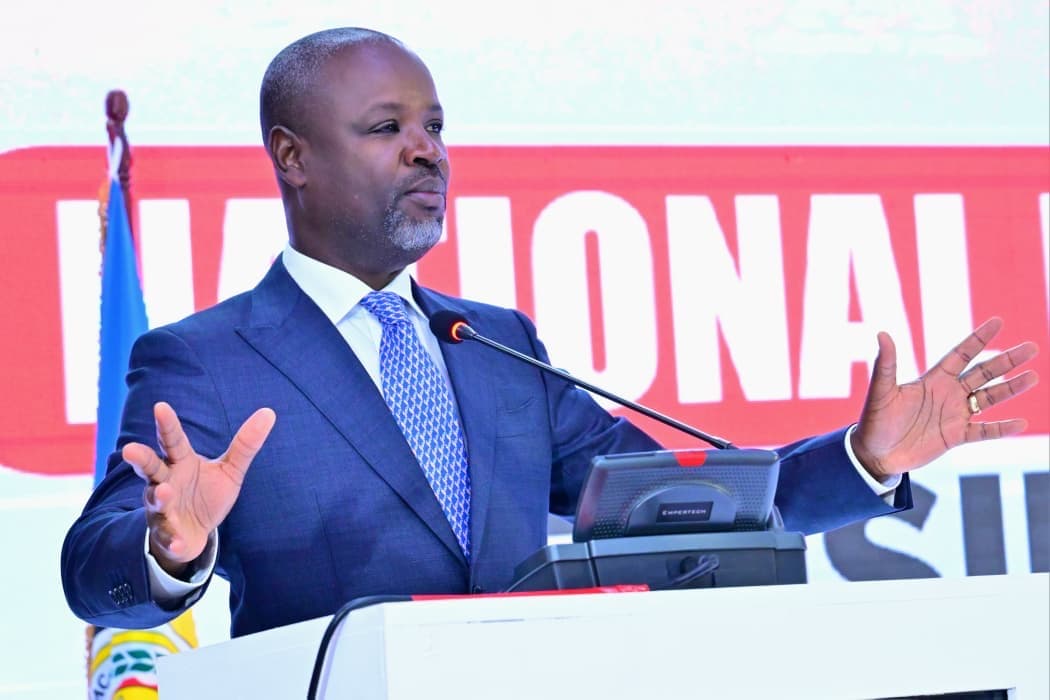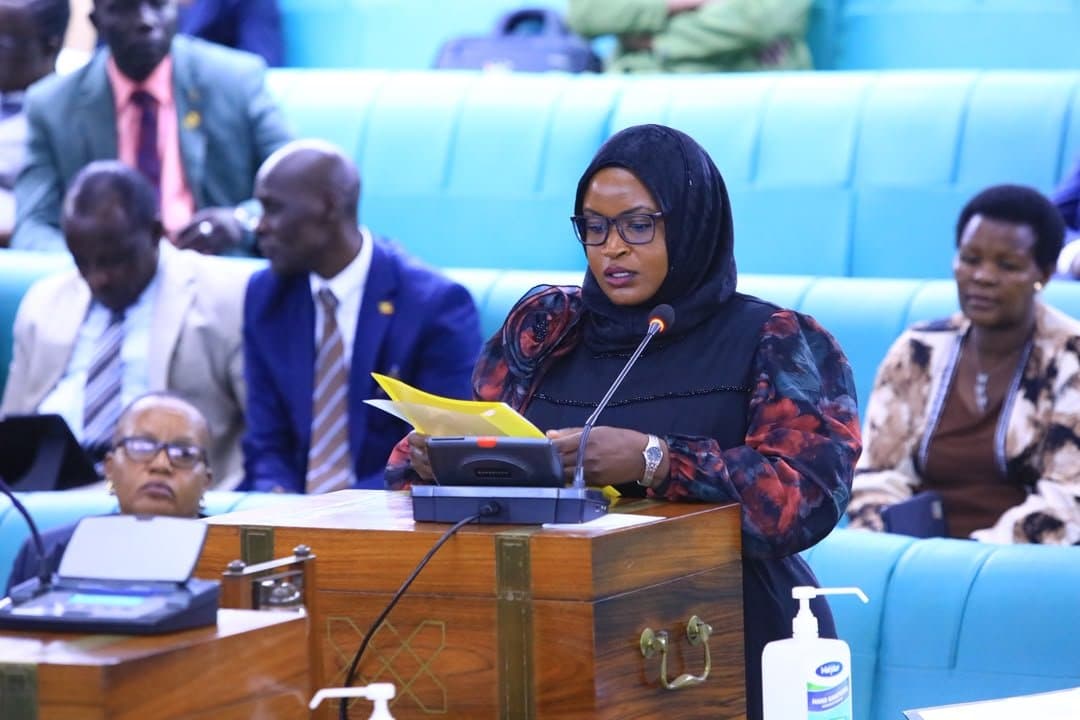

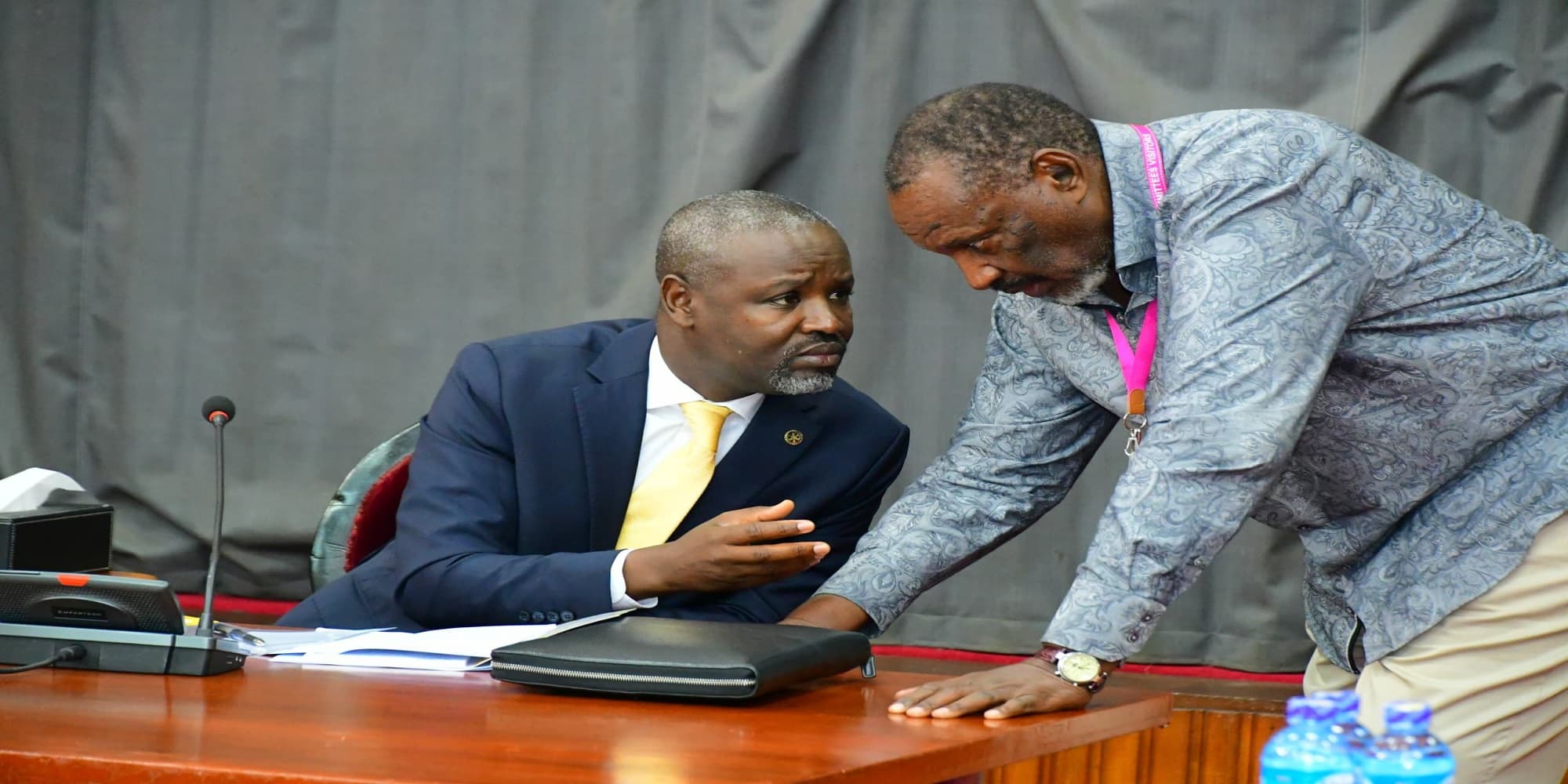
Sugarcane millers in Uganda will be required to share proceeds from sugar and its bi-products with farmers once the Sugar (Amendment) Bill, 2023 is enacted into law. This agreement emerged from a meeting between millers and farmers, chaired by Deputy Speaker Thomas Tayebwa in Parliament on Tuesday, January 28, 2024.
The purpose of the meeting was to resolve disagreements surrounding the provisions of the Sugar Bill. It was decided that millers, upon selling bi-products like molasses, manure, spirits, and biogas, will subtract 45% of production costs and distribute 55% of the remaining proceeds to farmers who supply sugarcane.
Jim Kabeho, Chairperson of the Uganda Sugar Manufacturers Association, emphasized that 55% is the minimum amount that should be mandated by law, adding that the percentage could be adjusted based on market conditions. "We are saying this is the minimum you can pay a farmer at a given time; it can go upwards depending on market prices and sugarcane being an agricultural product that fluctuates," Kabeho stated.
Julius Katerevu, Chairman of the Greater Mukono Sugarcane Growers Cooperative Society Ltd, welcomed the resolution, noting that it would provide farmers with much-needed relief. “With this, the farmers can now survive. Many have not been breaking even due to the costs of production. This has been the humble cry of farmers,” Katerevu explained.
Sugarcane farmers at the meeting expressed their frustrations with the industry, claiming they had been exploited by millers. They urged that the new law should not favour the millers, with some voicing concerns over the proposed three-year grace period before millers begin implementing the 55% share. David Byensi, Treasurer of the Masindi Sugarcane Growers Association, argued that such a lengthy delay was unnecessary for mills that have been operational for many years.
In response, the meeting resolved to grant millers a two-year period to begin implementing the new sharing arrangement, acknowledging that new investments in bi-product generation like biogas would require time to prepare. Henry Bagiire (NRM, Bunya County West) remarked, “I think the grace period of two years is realistic; any new investor would require at least one year to get verified and approved, and for those intending to generate power from sugarcane need another year to get the license.”
Ravi Ramalingam, General Manager of Kinyara Sugar Ltd, supported the two-year grace period, citing challenges in securing a license to generate power despite two years of efforts. His fellow millers echoed his concerns, pointing out the lengthy process involved in importing machinery.
Additionally, the meeting agreed on a nine percent minimum recovery rate per ton of sugarcane that millers must achieve. This decision was intended to curb the harvesting of immature sugarcane, which yields lower returns. Deputy Speaker Tayebwa confirmed, "The millers will not accept immature sugarcane anymore. They will say this does not give me the minimum recovery rate. As Parliament, we are going with this percentage, which is based on a study done by the World Bank."
The proposed amendment to the Sugar Act 2020 aims to establish the Sugar Council, which will comprise three millers and four farmers. This body will regulate the sugar industry, funded by levies imposed on millers, with farmers contributing 15% towards its operations.