

Buoyant demand in July led firms to increase their purchasing activity and hire additional workers as backlogs of work returned to growth. However, the headline Stanbic Bank Purchasing Managers’ Index (PMI) fell to 53.6 from 55.6 in June.
This decline was partly due to rising input costs in July, including higher purchase prices and wage bills. As a result, firms raised their output charges in an attempt to pass on these increased costs to customers.
The headline PMI is derived from a monthly survey of purchasing managers from around 400 firms, conducted by S&P Global. Readings above 50.0 indicate an improvement in business conditions compared to the previous month, while readings below 50.0 signal deterioration.
The survey covers various sectors, including agriculture, mining, manufacturing, construction, wholesale, retail, and services. The PMI is a weighted average of five indices: New Orders (30%), Output (25%), Employment (20%), Suppliers’ Delivery Times (15%), and Stocks of Purchases (10%).
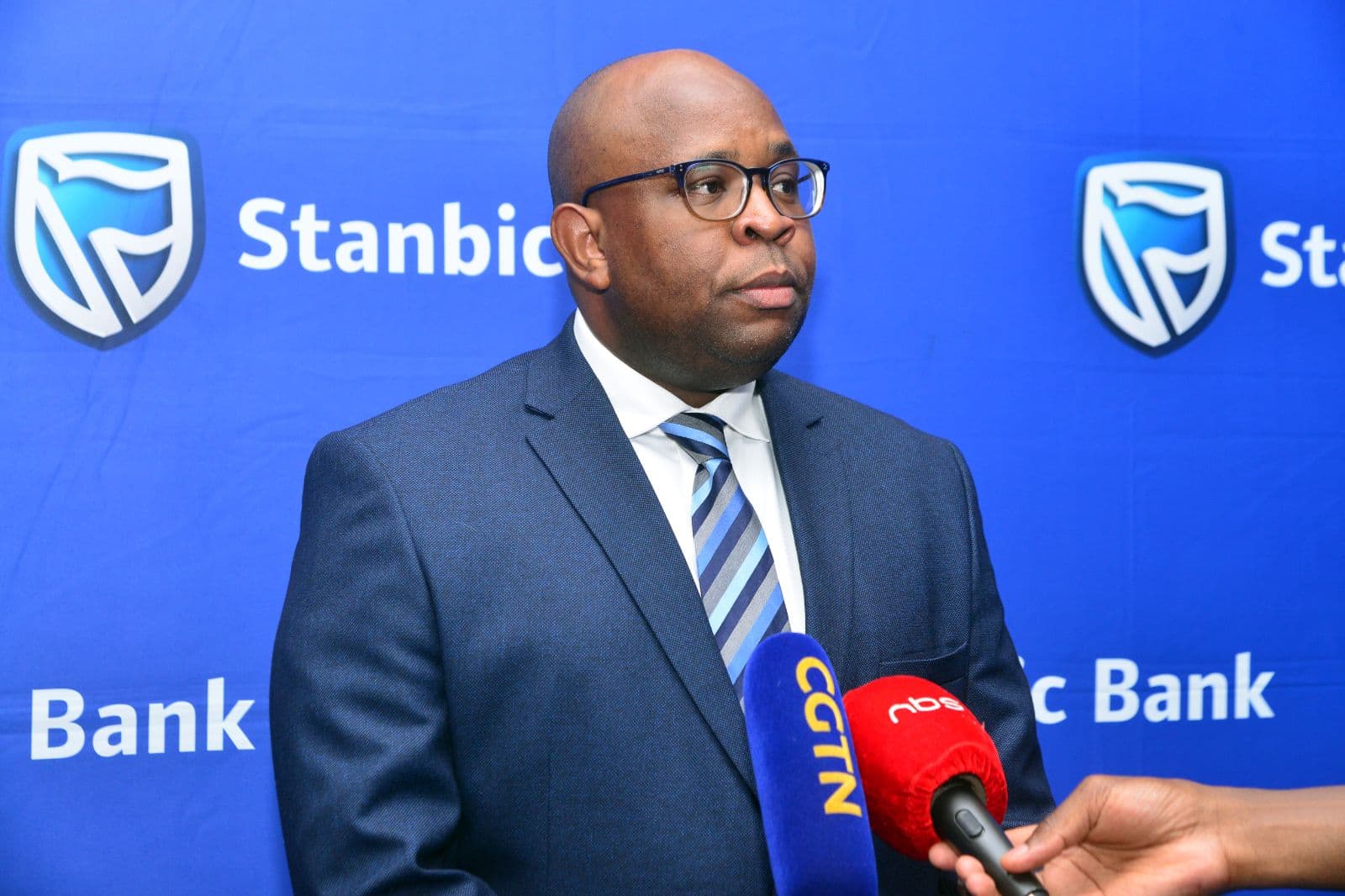
Christopher Legilisho, Economist at Stanbic Bank, commented, “The Stanbic Bank PMI signalled further expansion in July amid healthy economic conditions in the private sector. Additionally, quantities purchased increased, and inventories were positive. Anticipated and current output growth resulted in strong employment conditions in July. Backlogs of work increased for the first time since December 2024, likely due to strong demand for new orders.”
He added, “Inflationary pressures persisted with rising input prices, purchase costs, and staff costs. Ugandan firms are optimistic about future business conditions across all sectors, suggesting robust economic growth in the months ahead.”
The latest data indicated a sixth consecutive monthly improvement in business conditions. Key contributors to the overall growth were sustained increases in business activity and new sales, with broad-based sectoral growth.
Panelists noted that strong demand conditions, new client acquisitions, and more frequent customer referrals drove the expansion in new orders. The current growth streak now spans six months.
In response, Ugandan businesses increased their output levels in July to meet the rising demand for new orders. However, some strain on capacity was observed, with firms reporting a fresh accumulation of backlogs, the first in seven months.
To accommodate incoming new work, Ugandan businesses expanded their staffing levels again, hiring both temporary and permanent workers. The manufacturing sector was the only segment to experience a decline in employment.
Similarly, higher new order inflows prompted further growth in input buying, with firms also building safety stocks. Inventory levels expanded for the fifth consecutive month. The rise in purchasing activity came despite a renewed decline in vendor performance.
On the price front, increases in both staff and purchase costs led to another rise in overall operating expenses. Alongside higher wage bills, firms reported rising prices for inputs such as utilities, fuel, timber, and cereals.
Consequently, output charges at Ugandan firms were raised again in July. At the sector level, only construction companies saw a drop in selling prices.
Output expectations among Ugandan firms remained positive in July, with forecasts of greater customer numbers and favourable demand conditions driving optimism.