

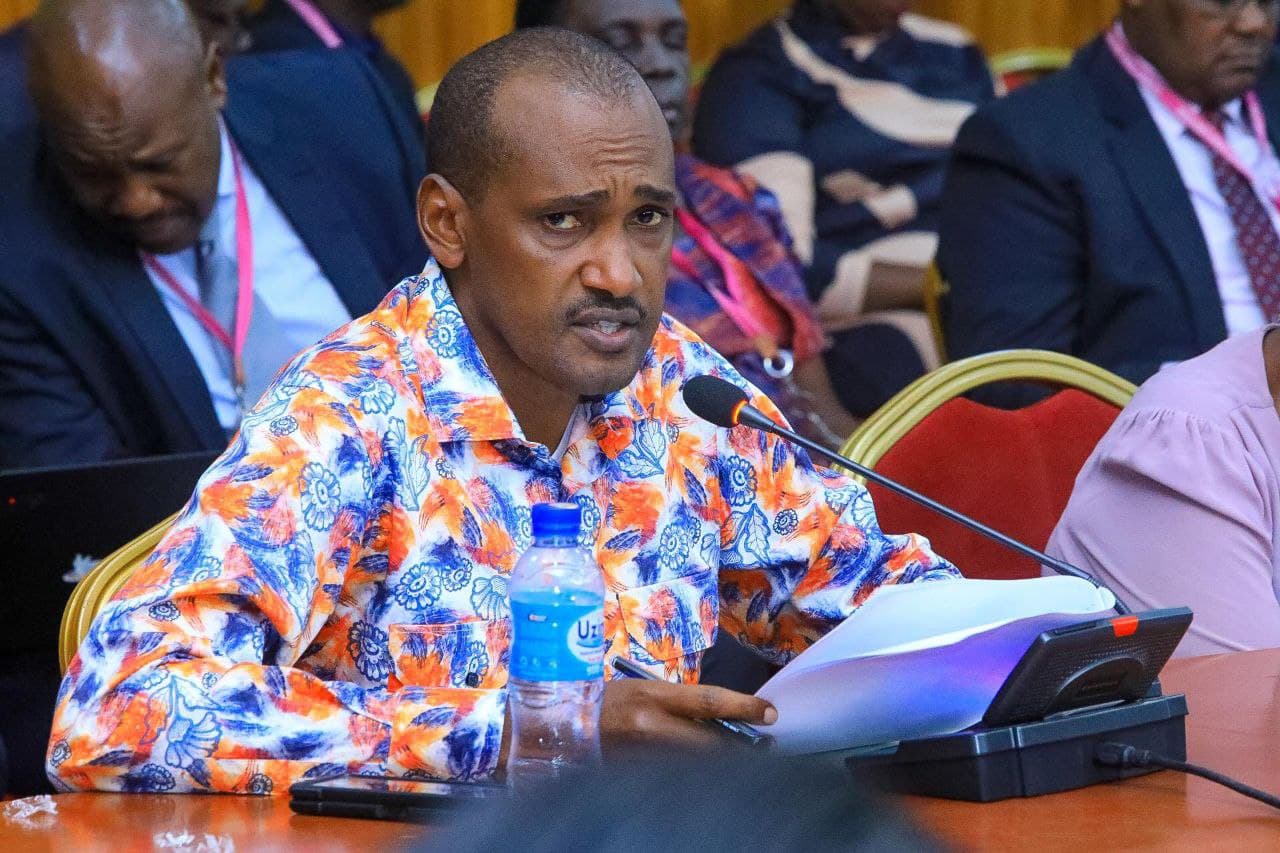
The Minister of Agriculture, Animal Industry and Fisheries, Frank Tumwebaze, has urged coffee farmers to maintain high quality standards as prices rebound.
In his 18th August 2025 media brief, Tumwebaze confirmed that coffee prices had stabilised after a sharp decline earlier in the year. He noted that global oversupply from Brazil, Vietnam and India had triggered the fall, but prices had now recovered as predicted.
According to the Ministry’s Department of Coffee Development, a kilogramme of coffee is currently selling between Shs13,000–14,000 (Fair Average Quality, or FAQ) and Shs13,500–14,000 (Arabica parchment). Tumwebaze said this reflects international buyers’ confidence in Uganda’s quality coffee and farmers’ resilience.
He urged farmers to focus on maintaining high harvesting, drying and processing standards, adopting good agricultural practices, strengthening farmer organisations, and exploring value addition to guard against international price fluctuations.
Tumwebaze assured stakeholders that the government remains committed to safeguarding the interests of coffee farmers and ensuring the sector continues to thrive as a cornerstone of the economy and a key source of livelihood for millions of households.