

Uganda has successfully obtained a barcode that distinctly identifies its export products in international markets.
The GSI Barcode allocates unique company prefixes to businesses, enabling them to generate barcodes for their products. This barcode includes the country code, indicating the location of the company. It enhances export traceability, helps prevent mislabeling, and strengthens Uganda's global product visibility.
In 2018, President Yoweri Museveni directed the Ministry of Trade, Industry, and Fisheries to apply to the GSI Association Internationale Sans But Lucratif (AISBL) in Brussels, Belgium, for a barcode that would properly identify Ugandan-made products. After seven years of detailed processing, Uganda met all requirements to join GS1 Global in December 2023. The country was assigned the prefix 605.
Following the onboarding process, customers obtaining GSI keys from Uganda will transition to GSI Uganda. Information about Ugandan products will be uploaded to the Global Data Synchronization Network Database, the world’s largest product database.
This access ensures accurate identification and traceability of Ugandan goods internationally. It also allows governments to monitor compliance in real-time.
Being a member of GS1 Global means that all Ugandan exports will now carry the country's barcode, eliminating the need for local manufacturers and traders to purchase barcodes from other nations for product identification.
Dr. Ezra Rubanda Muhumuza, Executive Director of the Uganda Manufacturers' Association, expressed that the barcode marks a significant step, offering manufacturers a gateway into global markets and signalling economic independence.
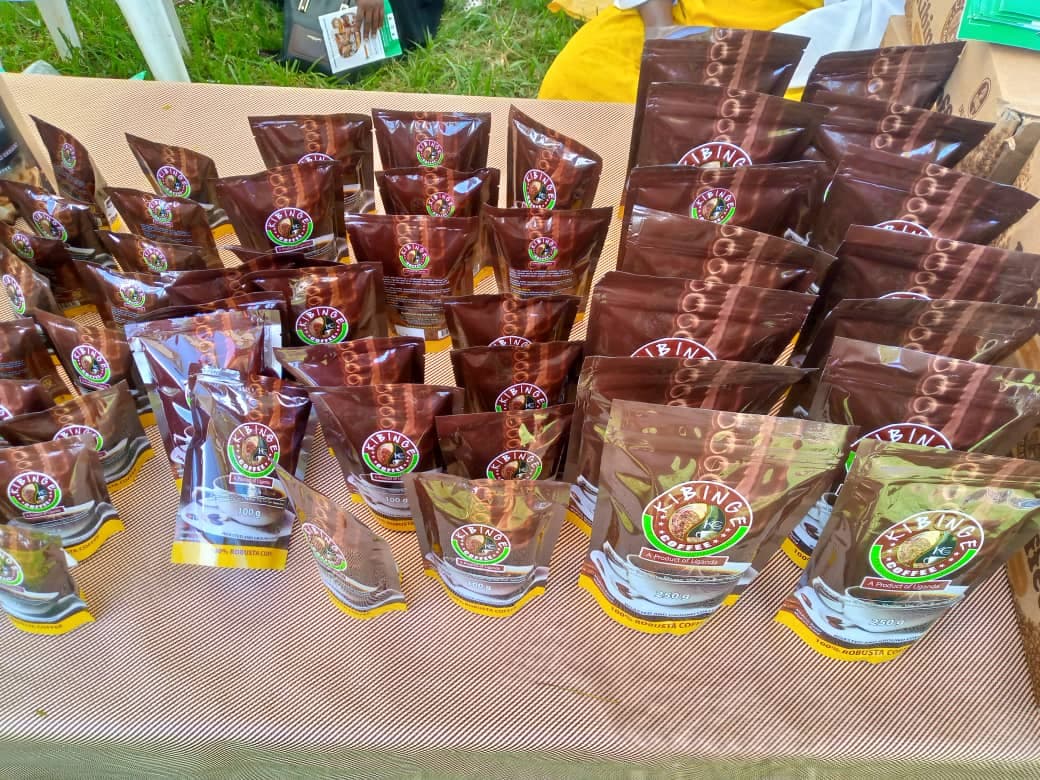
Charles Ocici, Executive Director of Enterprise Uganda, noted that the barcode enables local manufacturers to capitalise on their key export strengths. He added, "For years, others have been rebranding our products and selling them at higher prices. For instance, after exporting our coffee, it would be repackaged and branded as coffee from other countries. We couldn't inform the world about the regions in Uganda, like Nebbi or Bugisu, where Arabica coffee is grown."