Health experts are raising concern over the growing burden of cervical and breast cancer among women in Uganda, warning that the diseases are increasingly becoming major causes of death, particularly among women in their most productive years.
According to the Uganda Cancer Institute (UCI), the country records between 35,000 and 36,000 new cancer cases each year, with thousands of Ugandans currently living with the disease.
Among women, cervical cancer remains the leading cause of cancer-related deaths, with approximately 7,000 new cases reported annually. For men, prostate cancer is the most common type, mainly affecting those above the age of forty.
Late diagnosis worsening the problem
Medical specialists say the situation is worsening because many patients seek treatment when the disease has already reached advanced stages.
Wilson Okot, an oncologist at the Uganda Cancer Institute, explained that the silent nature of many cancers makes early detection difficult.
“Because cancer often develops silently in the body, many patients only seek medical attention when the disease has already advanced,” he said.
He added that breast cancer, which affects both men and women but is more common among women, continues to pose a serious health threat.
Warning signs to watch
Dr. Okot advised the public to seek medical attention if they experience symptoms such as:
Cervical cancer symptoms; Unusual vaginal bleeding, Persistent pelvic pain, Abnormal vaginal discharge.
Breast cancer symptoms include a lump in the breast, changes in breast shape or size.
Prostate cancer symptoms could include difficulty in urination and pelvic discomfort.
Health experts stress that recognizing these signs early can significantly improve chances of successful treatment.
Free screening initiatives
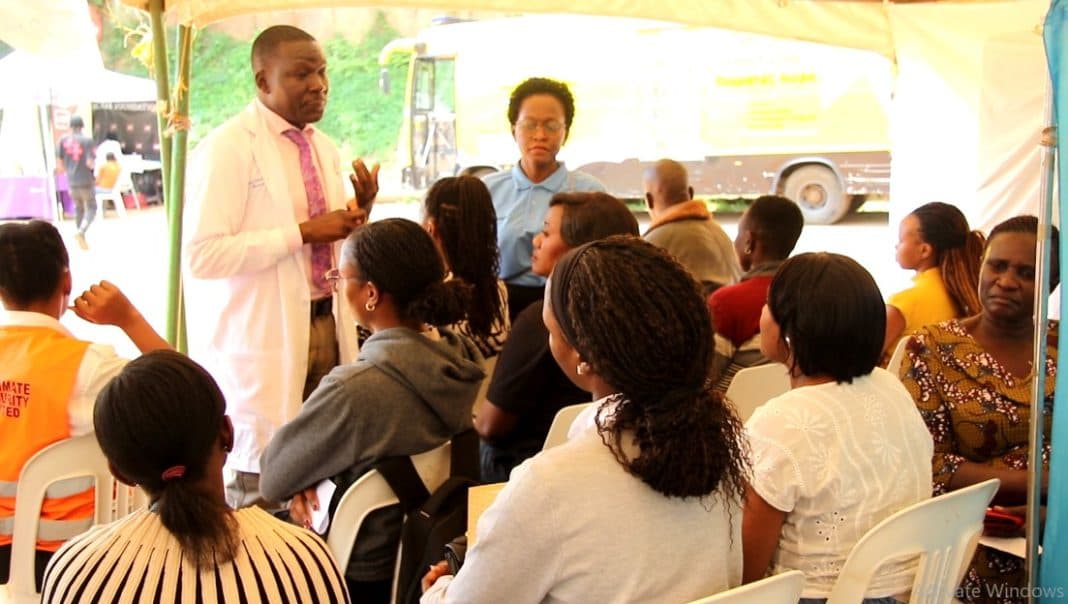
To promote early detection and encourage healthier lifestyles, Grant Thornton Uganda has organized a free cancer screening camp as part of activities marking International Women’s Day.
The initiative aims to encourage both women and men to prioritize regular health check-ups and increase awareness about early diagnosis.
The Chief Executive Officer of Grant Thornton Uganda, Smitha Venugopal, said the community has responded positively to the medical camp.
She noted that the strong turnout reflects growing public awareness about the importance of screening and early detection.
Expanding cancer care services
Meanwhile, the Uganda Cancer Institute has begun expanding cancer care services by establishing regional cancer centres across the country.
The initiative is intended to strengthen screening, diagnosis and treatment, while reducing the burden on patients who often travel long distances to access specialised care in Kampala.
Health experts emphasize that regular screening, early diagnosis and increased public awareness remain the most effective ways to reduce cancer-related deaths in Uganda.