

Kampala has officially joined the City Cancer Challenge (C/Can) network, a significant step towards improving cancer care in East Africa’s rapidly growing capital. The launch event, held at the Fairway Boutique Hotel, marked the signing of a five-year memorandum of understanding between Kampala Capital City Authority (KCCA) and C/Can. This partnership aims to enhance cancer diagnosis, treatment, and care systems across the city.
Kampala becomes the 18th city globally and the sixth in Africa to join the initiative led by the City Cancer Challenge Foundation. The foundation supports cities in low- and middle-income countries to improve cancer care through collaboration and resource mobilisation. KCCA Executive Director Sharifah Buzeki noted that Kampala, as Uganda’s cancer referral centre, is central to strengthening the country’s overall response to the disease.
In 2024, Kampala recorded at least 5,600 new cancer cases, with cervical and prostate cancers being the most prevalent. Nationwide, Uganda faces an estimated 35,000 new cancer cases annually, reflecting the global cancer burden that affects over 43 million people worldwide.
Buzeki emphasised the need for early detection, a significant gap in the current healthcare system. She stated, “There is no reason to lose lives to cancer when it can be prevented.” The initiative aims to provide support for cancer prevention, improve access to quality care, and ultimately boost national productivity.
Isabel Mestres, CEO of C/Can, highlighted the complexity of cancer and the need for robust data, strong systems, and collaboration to address it. She noted that the initiative would help cities create locally-driven solutions. Ugandan health leaders welcomed the partnership, recognising it as a valuable complement to national efforts to combat cancer. Jackson Orem, Executive Director of the Uganda Cancer Institute, called for collective action to fight the disease.
The partnership will focus on expanding screening services, strengthening the health workforce, improving access to essential medicines and technologies, and enhancing data systems to inform decision-making. Public health leaders in Kampala stressed the urgency of raising awareness and improving early detection, especially for cervical cancer, which remains a major risk for women in the city.
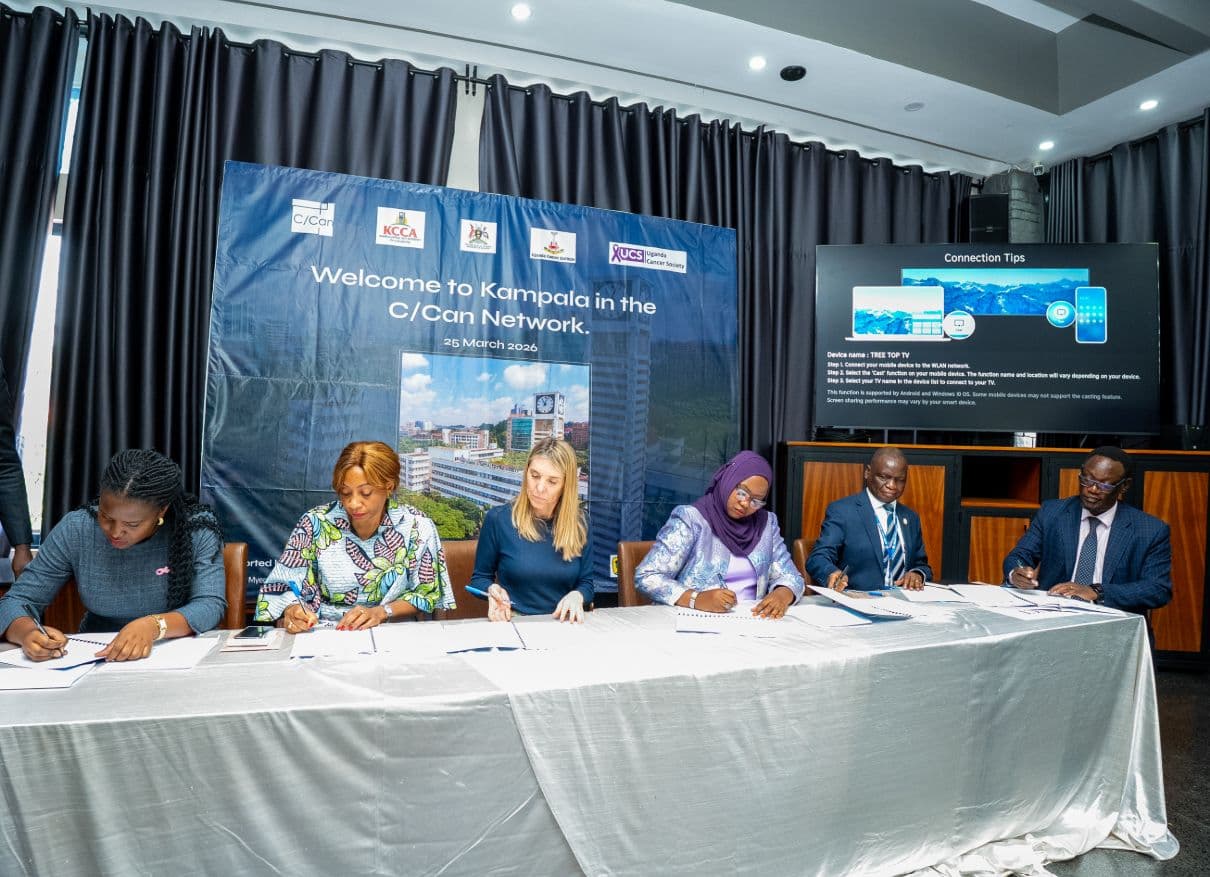
The launch event was held at the Fairway Boutique Hotel in Kampala
Photo: UBCKampala has joined the City Cancer Challenge network to strengthen cancer care, focusing on early detection, improved treatment access, and collaboration with global partners.
Advertisement
N
Nicholas Agaba
Author
Topics
Advertisement