

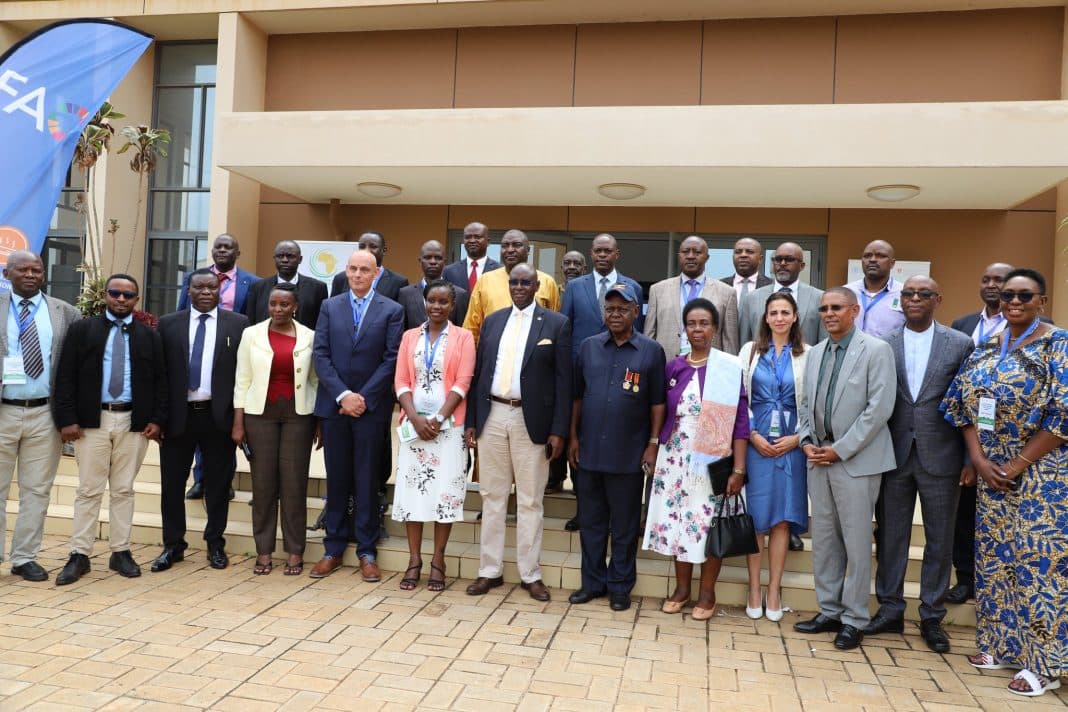
Government and the UN Food and Agriculture Organization (FAO) have opened a hunt for private capital to modernise Uganda’s farms, factories and food markets, arguing that fresh money—not more policy papers—is now the missing ingredient in the country’s most important sector.
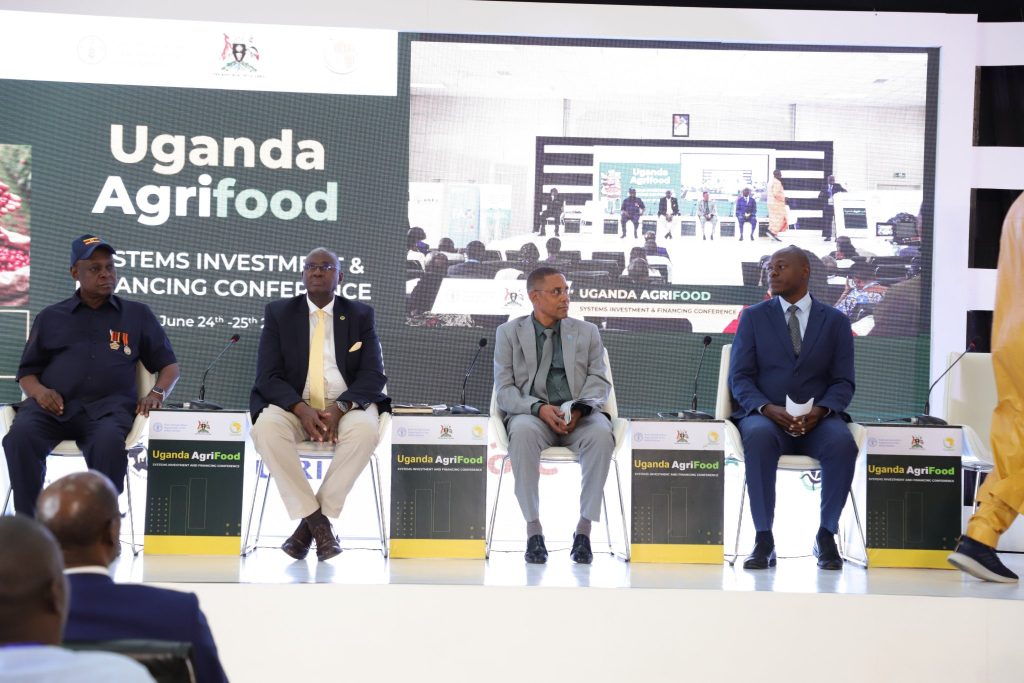
Launching the two-day Uganda Agrifood Systems Investment and Financing Summit on Tuesday, Minister of State for Animal Industry Dr Bright Rwamirama told bankers, venture funds and agribusiness chiefs that Kampala is ready to “de-risk and co-invest” in projects that lift production, cut post-harvest losses and put more processed goods on export shelves. “Our population is heading for 50 million, so the demand for food, jobs and income is growing faster than ever,” he said. “The time for cautious pilots is over; we need bankable deals.”
Held at the Uganda Industrial Research Institute in Namanve, the summit—organised by FAO, the Ministry of Agriculture, Animal Industry and Fisheries (MAAIF) and the Office of the Prime Minister—targets new financing models that can plug yawning budget gaps exposed by donor cuts and climate shocks. FAO country representative Yergalem Taages Beraki warned that 34 per cent of Ugandans are under-nourished and 12 million face outright food insecurity. “Transformative investment—public and private—is the only way to convert these numbers into opportunity,” she said.
Seeking billions, not millions
National Planning Authority economist Dr Ivan Lule reminded delegates that Uganda’s draft National Development Plan IV aims to lift GDP from USD 50 billion to USD 500 billion by 2040, with food systems as a core growth engine. “We learned from Covid-19 and the Russia-Ukraine shock that resilience comes from local value addition,” he noted. Commissioner for Strategic Coordination Edward Walugembe added that the new plan stresses “four Cs—coordination, connectedness, continuity and communication—to turn strategies into results”.
Bankers ready—if projects add up
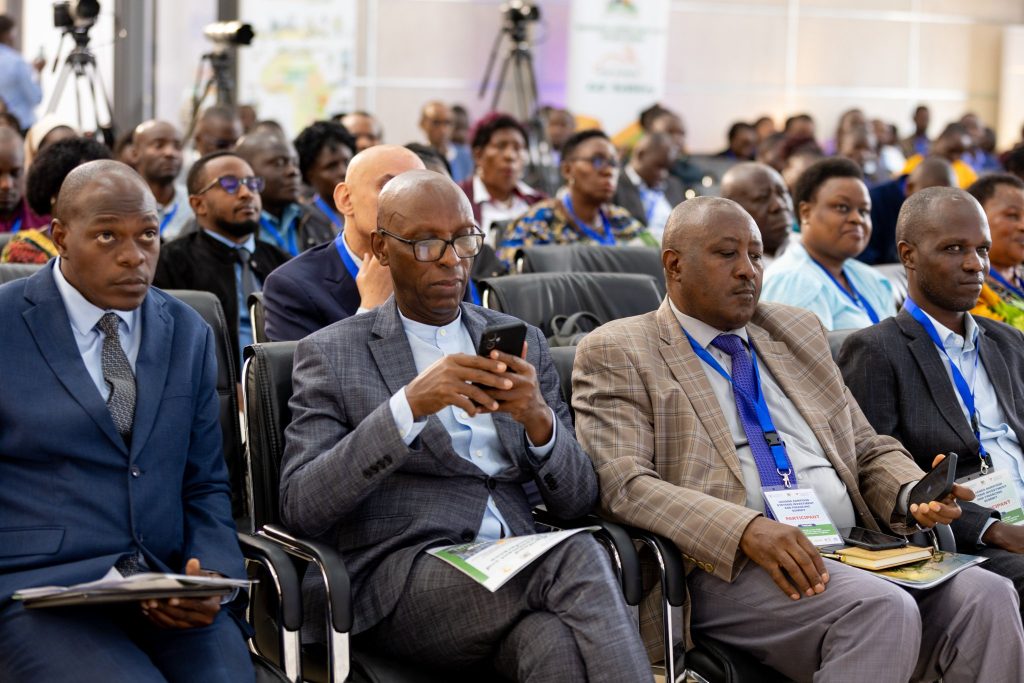
Diamond Trust Bank and other lenders signalled support but demanded solid governance. “Innovative products are on the table, yet discipline and transparency must improve if we are to lend at scale,” a DTB executive told the forum. AGRA country director David Wozemba applauded government for “finally wearing the implementation hat”, pledging technical help to structure investable ventures from farm to fork.
Where the money will go
MAAIF listed priority pipelines: climate-smart irrigation, agro-industrial parks, aquaculture estates, cold-chain logistics and digital extension services. Twelve anchor projects will be screened over the next six months, with FAO supplying transaction-advisory support.
Sector analysts say the summit could shift Uganda from donor-led agriculture to a blended-finance model where public funds absorb early risk and private investors scale proven concepts. If the partners hit their targets, Uganda expects to raise at least USD 1.5 billion for agrifood transformation by 2030 and cut the national hunger rate by half.