
President Yoweri Kaguta Museveni has committed Shs300 million annually to support Persons with Disabilities (PWDs) in Kampala’s five divisions. The funds, to be disbursed through their Savings and Credit Cooperative Organizations (SACCOs), aim to enhance economic empowerment under the Parish Development Model (PDM).
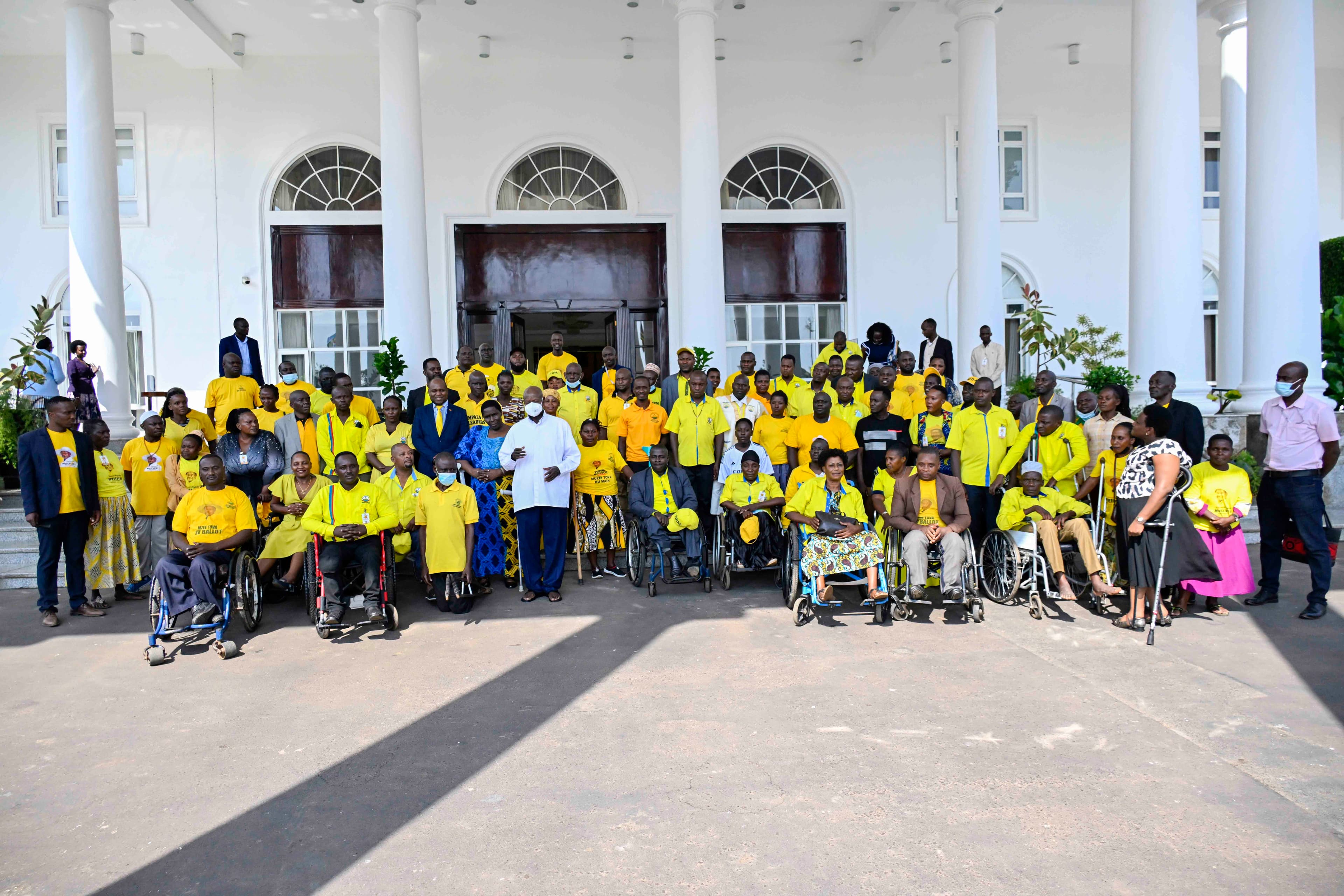
The President made the pledge while meeting a delegation of PWDs led by Minister of State for Disability Affairs, Hellen Grace Asamo, at State House, Entebbe. The group had appealed for an increase in PDM funding, arguing that the current allocation of Shs1 million per individual was insufficient.
“I think we had not really given it a lot of thought on how that money is not sufficient for you,” President Museveni acknowledged. “Now that I am aware, we are going to step in. You are right, you have special needs and requirements.”
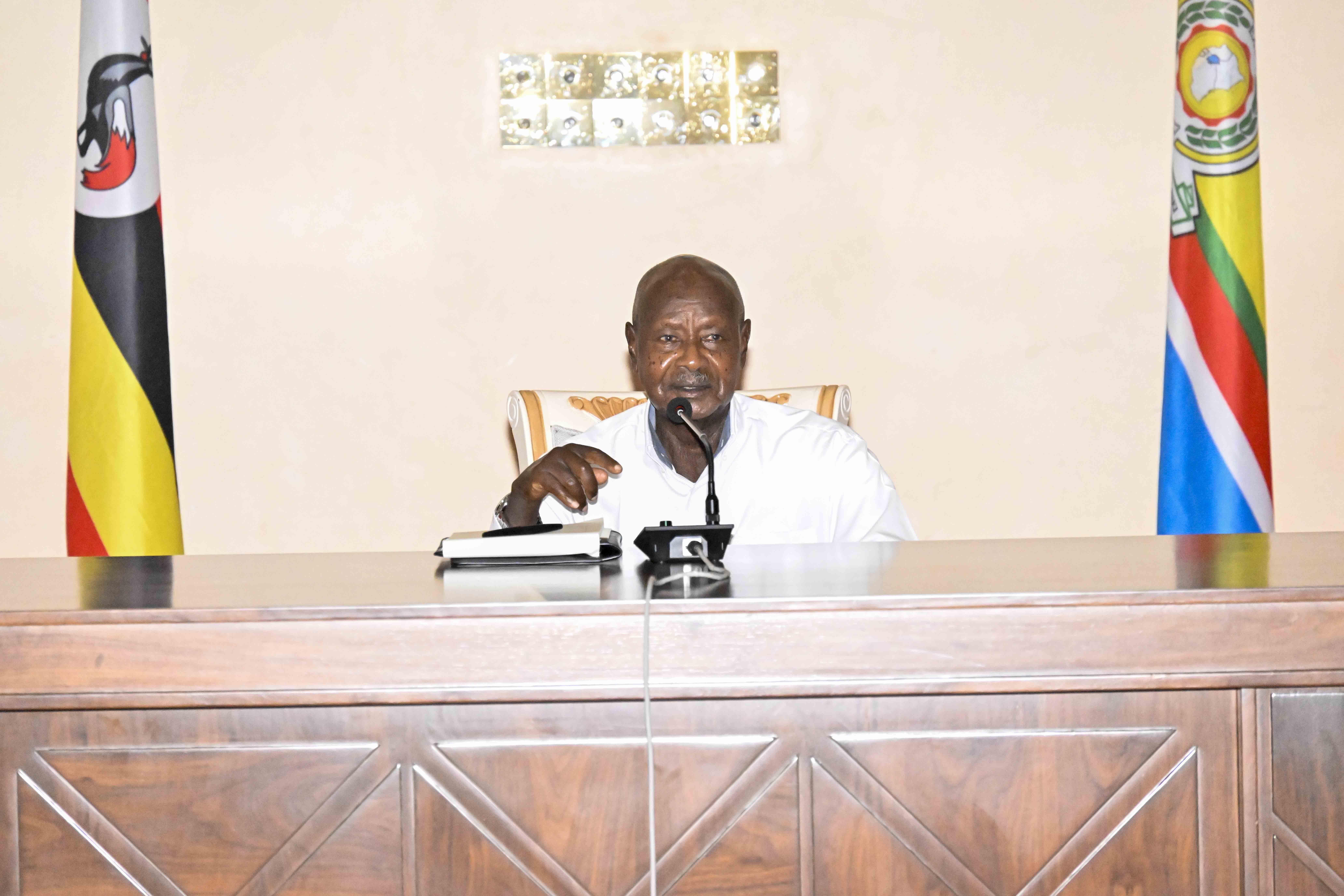
He announced that each of Kampala’s five divisions—Central, Kawempe, Makindye, Nakawa, and Rubaga—will receive Shs300 million annually to support PWD SACCOs. “We shall therefore allocate Shs300 million each year to PWD SACCOs in each division of Kampala so that it can boost your socio-economic growth since Shs1 million is not enough,” Museveni stated.
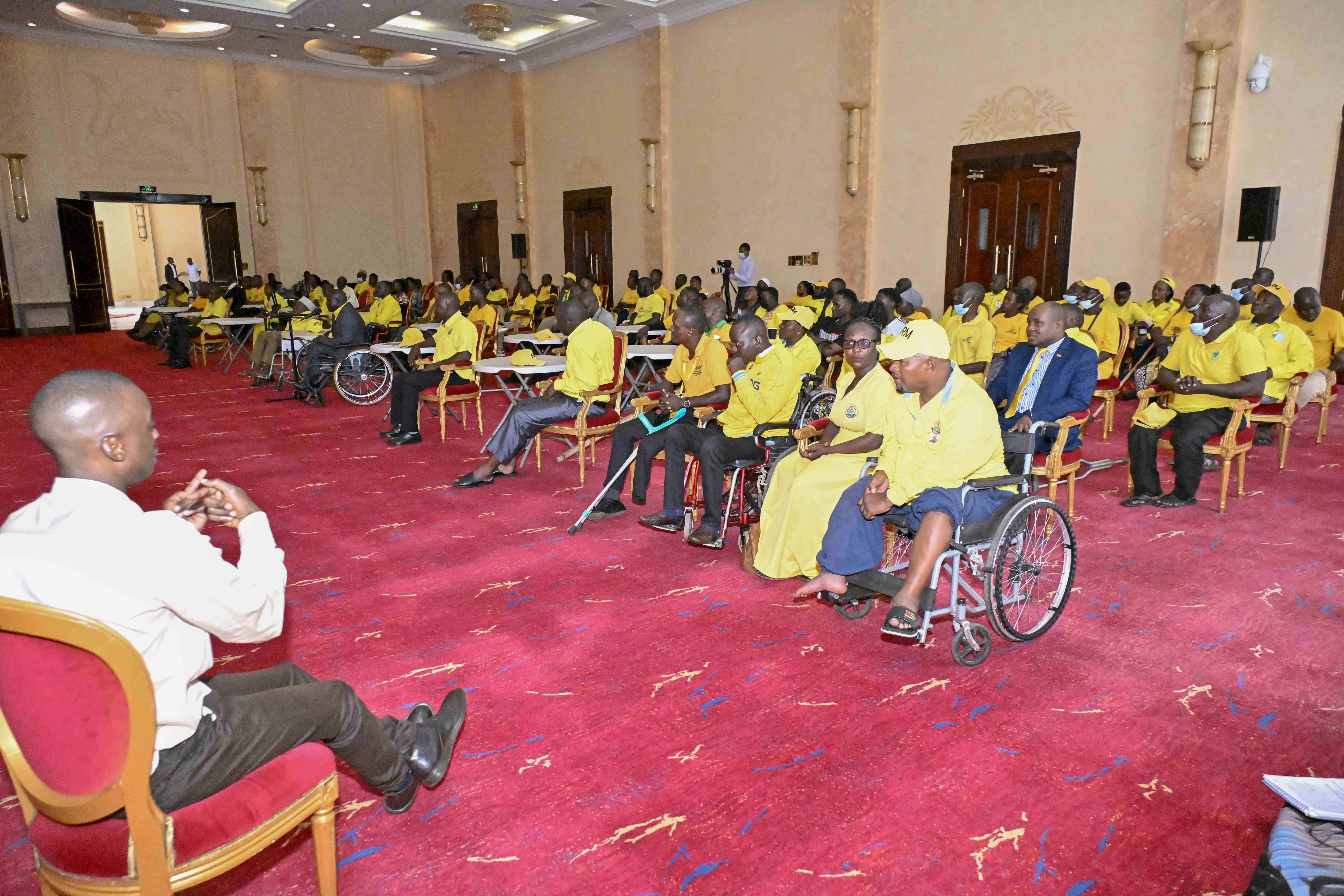
The President urged beneficiaries to manage the funds effectively, emphasizing the government's commitment to inclusive development. “The government is determined to enhance socio-economic transformation and improve household incomes, so you must be included in all ways possible. One hundred individuals will benefit each year, and you will decide on how much you get accordingly,” he said.
Majid Kawooya, a representative of the group, expressed gratitude for the intervention. “We came here today to request the President to consider our concerns regarding how PDM money is being distributed,” he said.
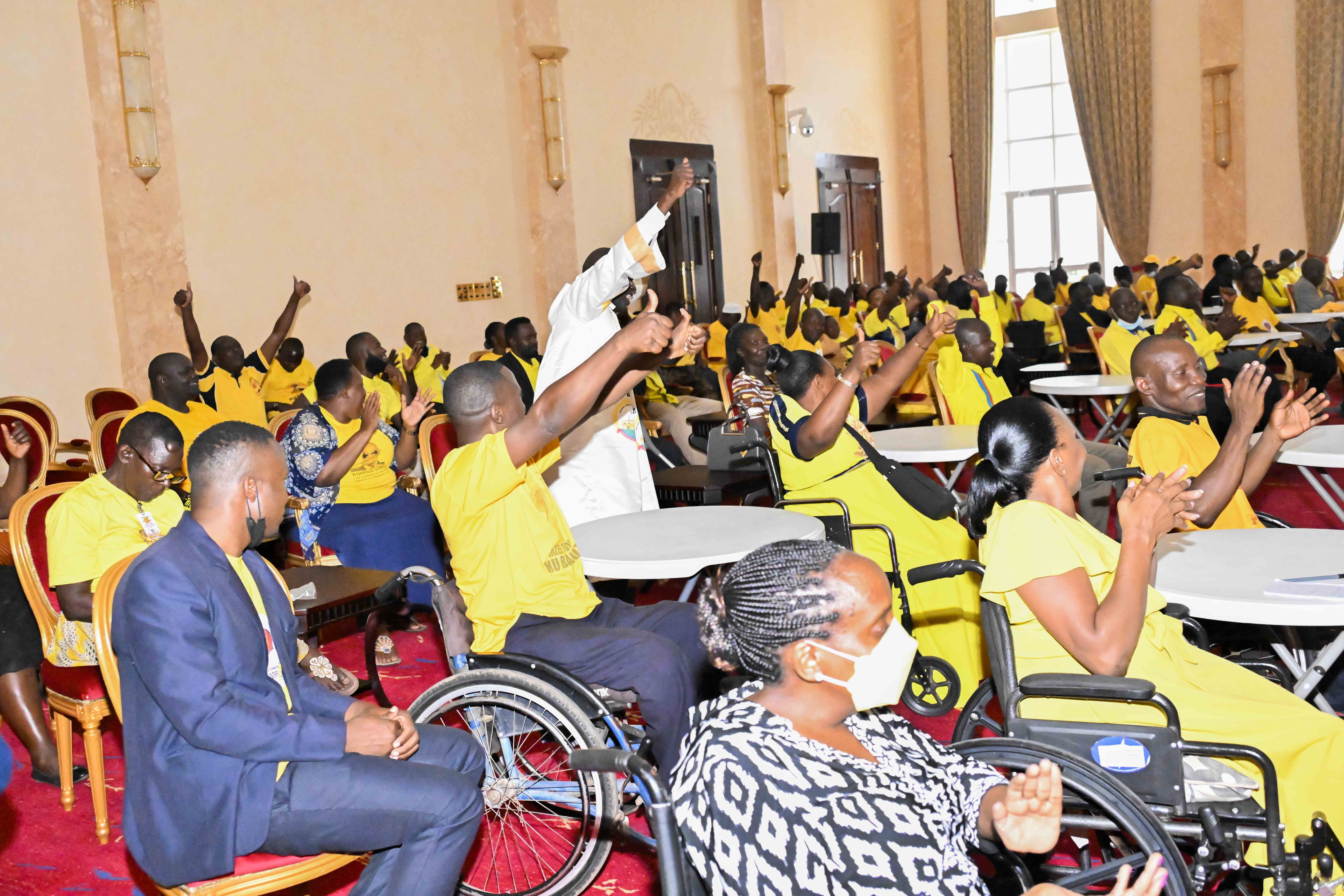
He explained that while PWDs receive Shs1 million for income-generating projects under the PDM, many face unique challenges that limit their ability to invest the funds effectively. “Many of us require helpers for mobility, pushing wheelchairs, and providing other essential services,” he noted.
Kawooya further highlighted that by the time PWDs receive the funds, a significant portion is already spent on support services. “So, instead of using the money for its intended purpose, we find that half of it has already been spent on our special needs. At that point, it has not served its purpose,” he added.
The President’s commitment to increasing financial support is expected to improve the economic livelihoods of PWDs in Kampala and enhance their participation in the country's development agenda.