
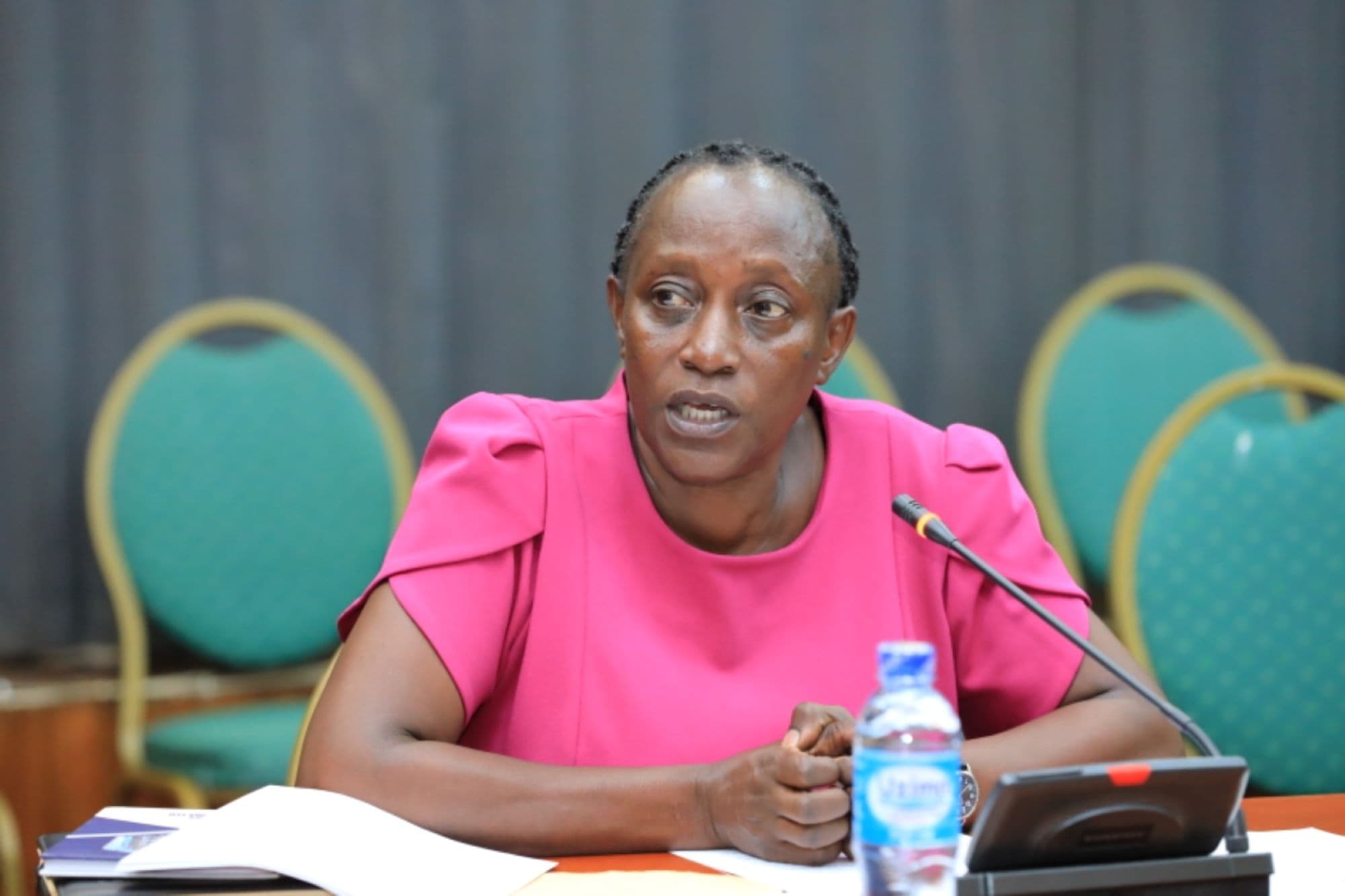
A family law expert at the Islamic University in Uganda (IUIU), Dr. Diana Musoke, has cautioned that the proposed Marriage Bill, 2024 could weaken the institution of marriage if enacted into law.
While presenting her views before the Committee on Gender, Labor, and Social Development and the Committee on Legal and Parliamentary Affairs on February 19, 2025, Dr. Musoke argued that the Bill disregards traditional principles of marriage and promotes easy divorce.
She criticized the Bill’s approach to divorce, noting that it removes specific grounds and replaces them with no-fault divorce, allowing couples to separate by mutual consent.
“The law has completely done away with the grounds for divorce and instead provides for no-fault divorce. Are you not watering down the institution of marriage to say it should be dissolved as long as there is consent from both parties at free will?” she asked.
Dr. Musoke warned that such provisions could escalate domestic violence, especially in cases where one spouse refuses to consent to divorce. She also expressed concern over the high divorce rate among younger couples, saying that the law should not make separation easier.
“People who are divorcing are those who entered marriage in 2021. The generation we are dealing with is not that resilient, that is why the divorce rate is so high. We should not make it easier for them,” she noted.
Dr. Musoke also objected to the Bill’s recognition of Christian polygamy, arguing that it contradicts religious teachings on monogamous marriage.
“Is this not a violation of the right to religion, especially for those faiths that preach one woman, one man?” she asked.
She further criticized provisions allowing online marriages and those permitting Ugandans in the diaspora to marry at Ugandan embassies, questioning how marriage registrars would verify objections from families in Uganda.
During the meeting, MPs debated the Bill’s proposal to prescribe specific grounds for divorce. Asuman Basalirwa (MP, Bugiri Municipality) warned that limiting divorce grounds could trap people in broken marriages.
“The whole concern is that can all the grounds for divorce be exhausted? What happens if a reason for divorce arises but is not listed among the grounds? Will we not be tying people in marriages?” he asked.
Basalirwa also questioned why the Bill includes property distribution, saying it might create an impression that marriage is driven by financial gain.
“They are saying each time you introduce property in the marriage bill, you create an impression that the motivation of marriage is property,” he noted.