President Yoweri Kaguta Museveni has warned that Africa’s swelling youth protests stem from stagnant household incomes and governments’ failure to industrialise, not generational defiance.
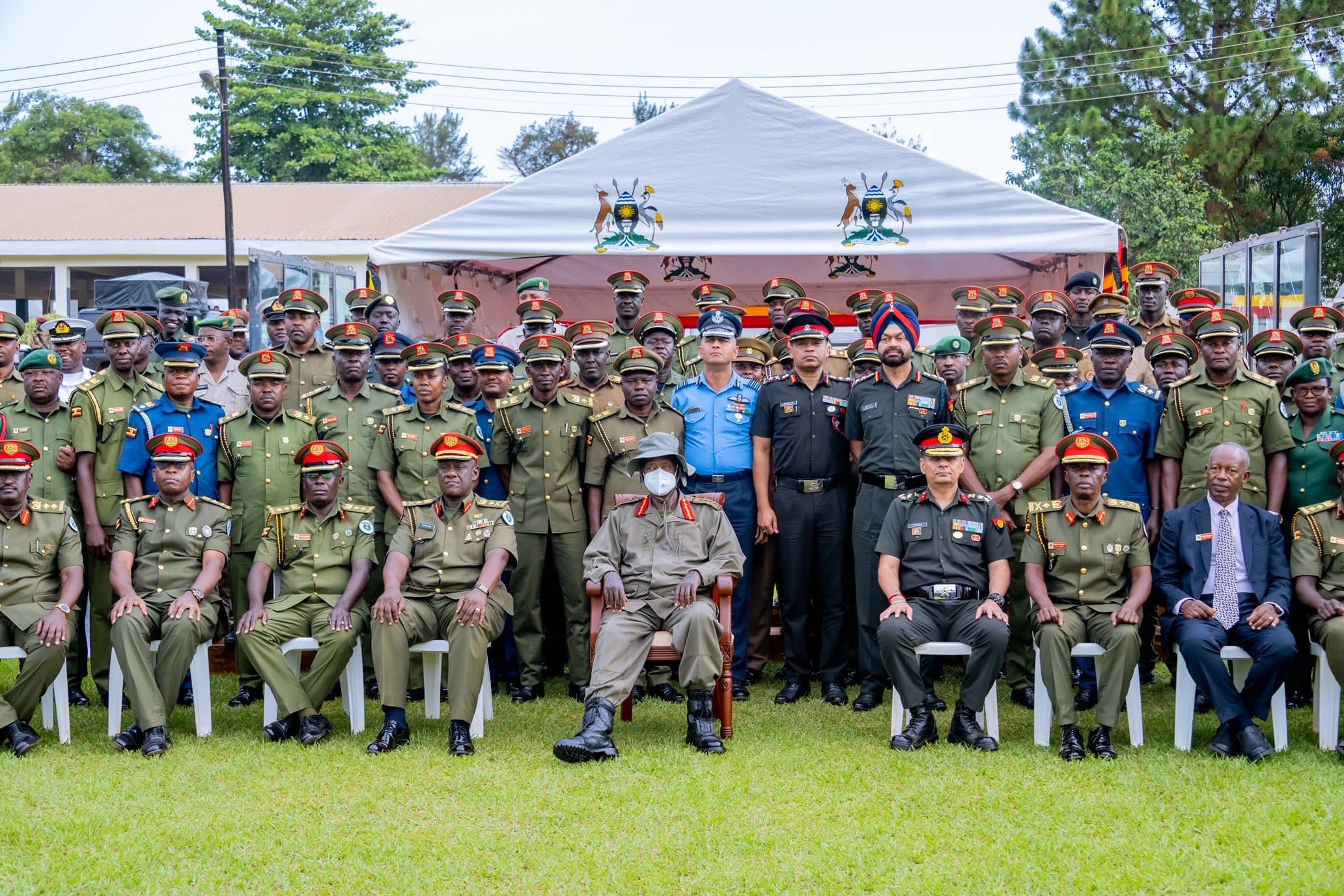
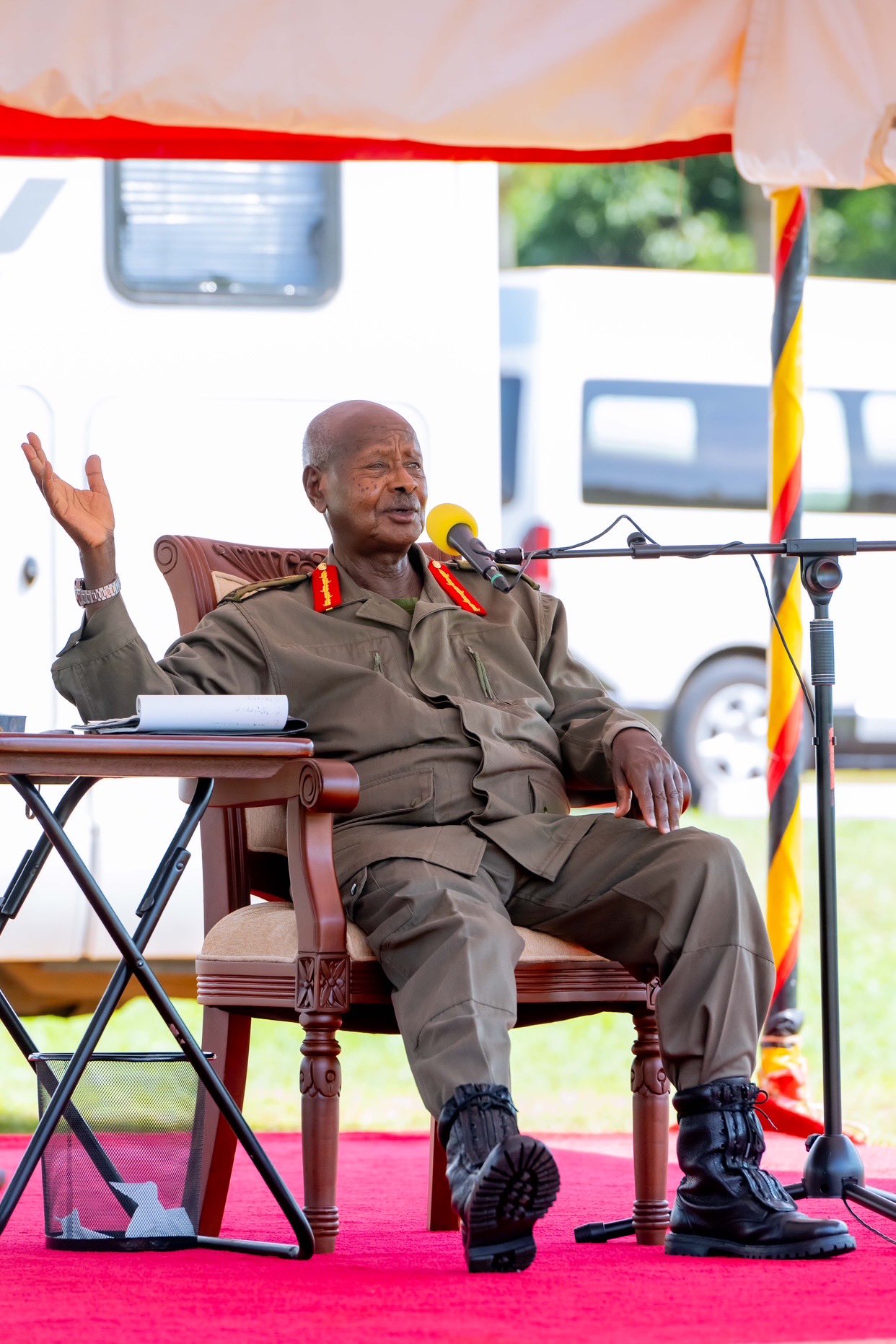
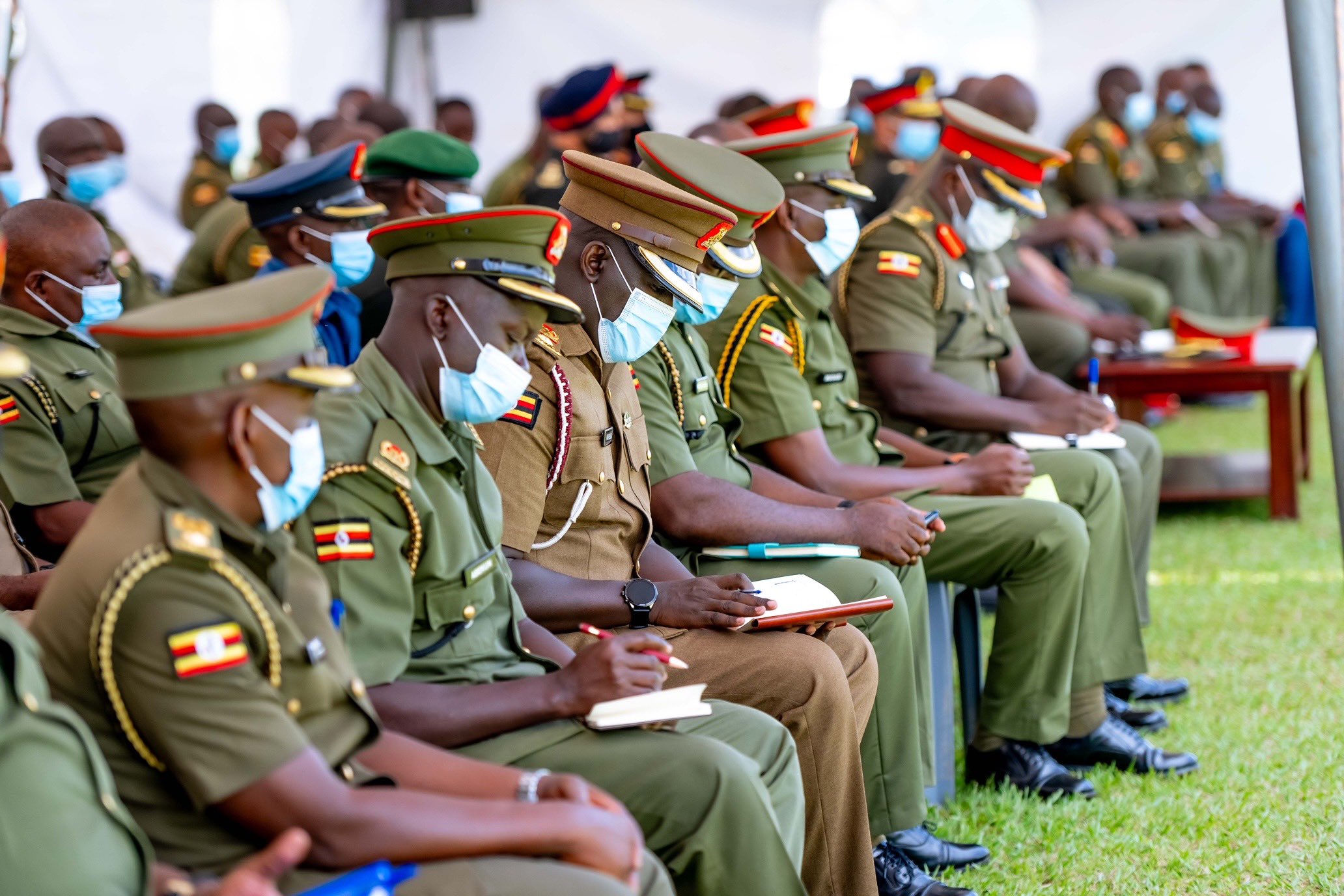
Speaking to 52 mid-career officers at the Uganda People’s Defence Forces Senior Command and Staff College in Kimaka, Jinja, the President said leaders must “monetise every acre and every talent” if they want lasting peace.
Wealth before politics
“Africa’s problem is not resources. It is the inability to turn those resources into money for every family,” Museveni said after a Kenyan trainee asked why ‘Gen Z’ uprisings are spreading across the continent.
He noted that only 4 percent of Ugandans earned cash at independence; the share is now 67 percent but must reach 100 percent. “Youths riot because they see no path to prosperity,” he added.
Four-sector formula
Museveni urged states to channel labour and capital into commercial agriculture, manufacturing, services and ICT, criticising raw-export economies. “Stop shipping unprocessed coffee and cotton. Build factories, create jobs,” he said.
Markets must merge
The President linked wealth creation to regional integration. “Uganda’s 48 million people cannot absorb mass production. An East African market, and later a Pan-African one, is the only safe harbour for our industries,” he argued. Generation Z, he said, should “agitate for East African unity, not street battles over small budgets.”
Local example
Museveni cited Operation Wealth Creation and parish-level funds that raised Uganda’s money-economy participation by 35 percentage points in a decade. “Households that embraced coffee, dairy, poultry and fish now employ themselves,” he told officers from Uganda, Kenya, Tanzania, Rwanda, Burundi, South Sudan and Malawi.
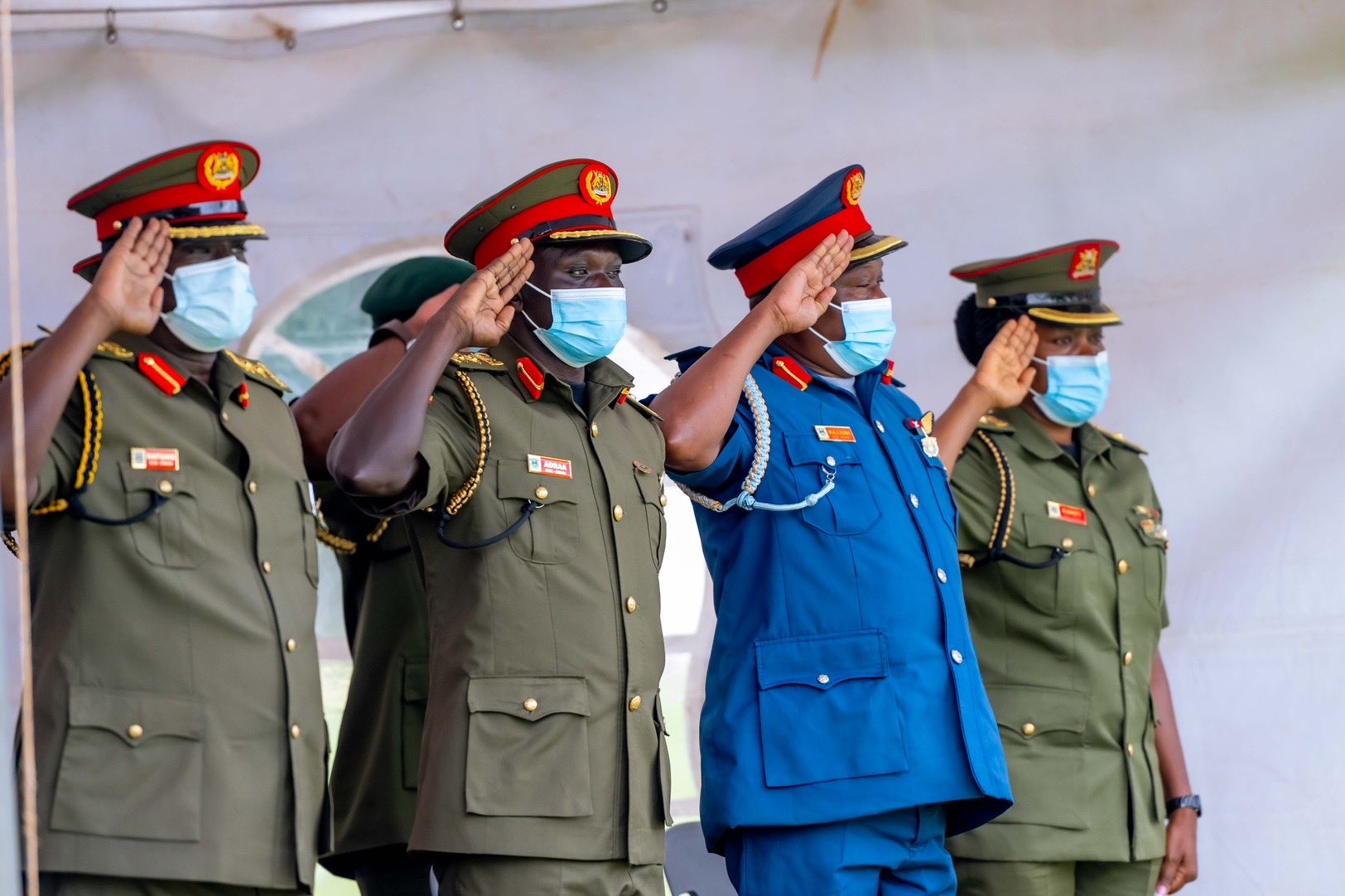
He closed by urging commanders to preach productivity wherever they serve. “Peace is secured when citizens sell a good or service. Teach that gospel and you will command a contented population,” Museveni said.
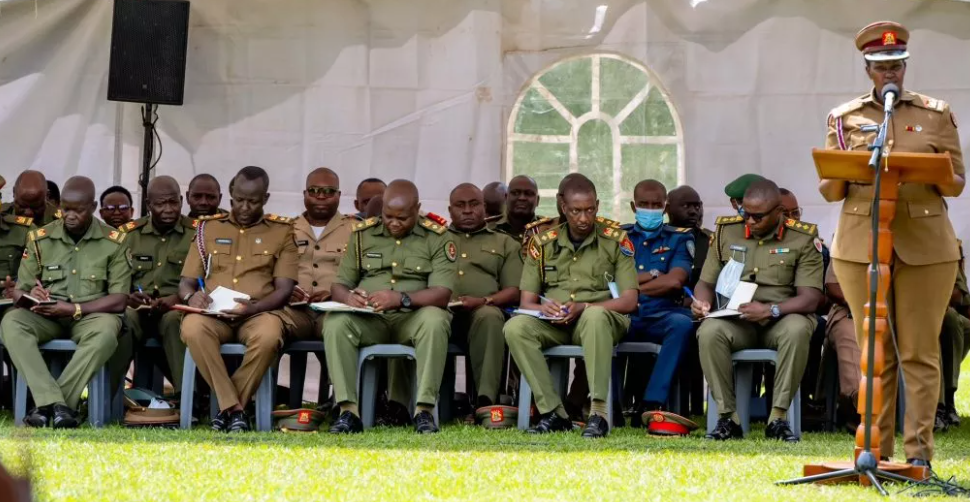
The one-year regional course is led by Brig Michael Kabango and focuses on strategy, leadership and civil-military relations.