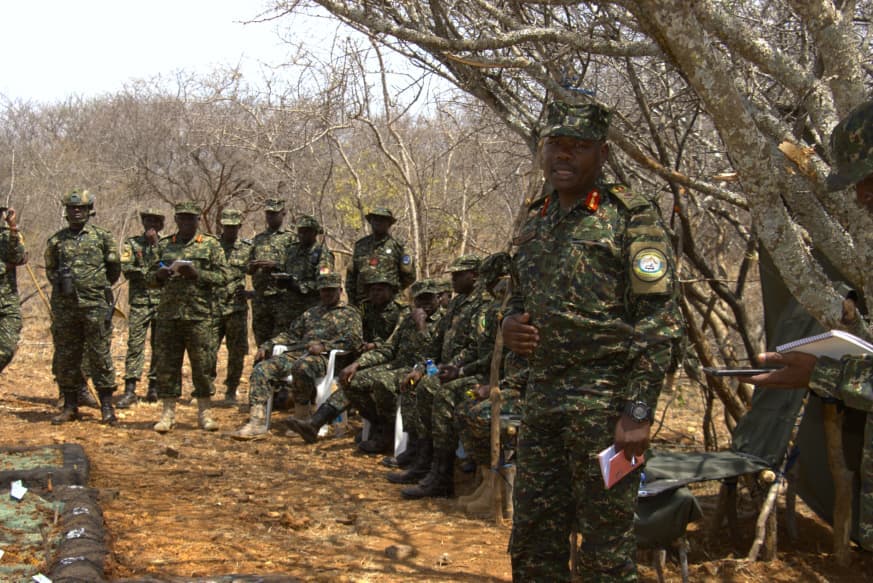
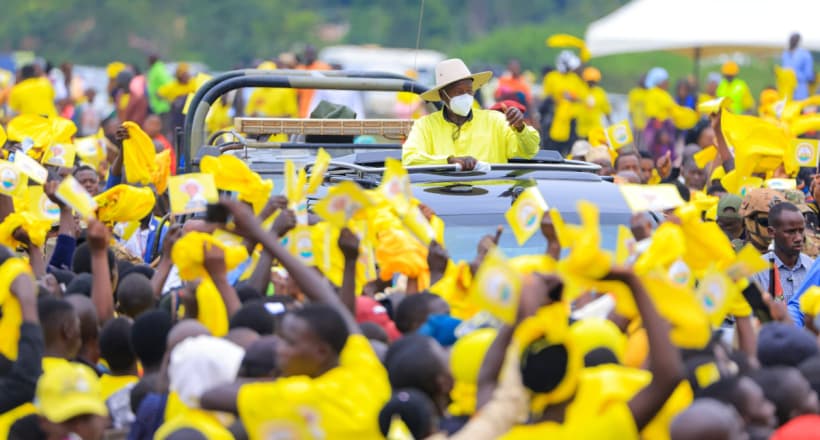
Memories of war time trenches and broken roads resurfaced as President Yoweri Museveni paused to reflect on how far Kalungu district and the country has come. Where once movement was slow and dangerous, he said, peace has opened pathways not just for travel, but for prosperity.
Campaigning in Kalungu District, Museveni used the rally to connect Uganda’s stability to everyday livelihoods, urging residents to turn peace into income through production and enterprise. He said the National Resistance Movement’s (NRM) record rests on restoring security and steadily investing in infrastructure that supports economic growth.
“Uganda’s progress was built on peace,” Museveni told supporters, explaining that stability allowed government to prioritise roads, electricity, health services and water. He recalled that before the NRM took power, the road from Kampala through Masaka to Kabale was in a dilapidated state, limiting trade and movement. Today, he said, that corridor has been rehabilitated, alongside improvements on the Kanoni–Kampala–Kalungu road.
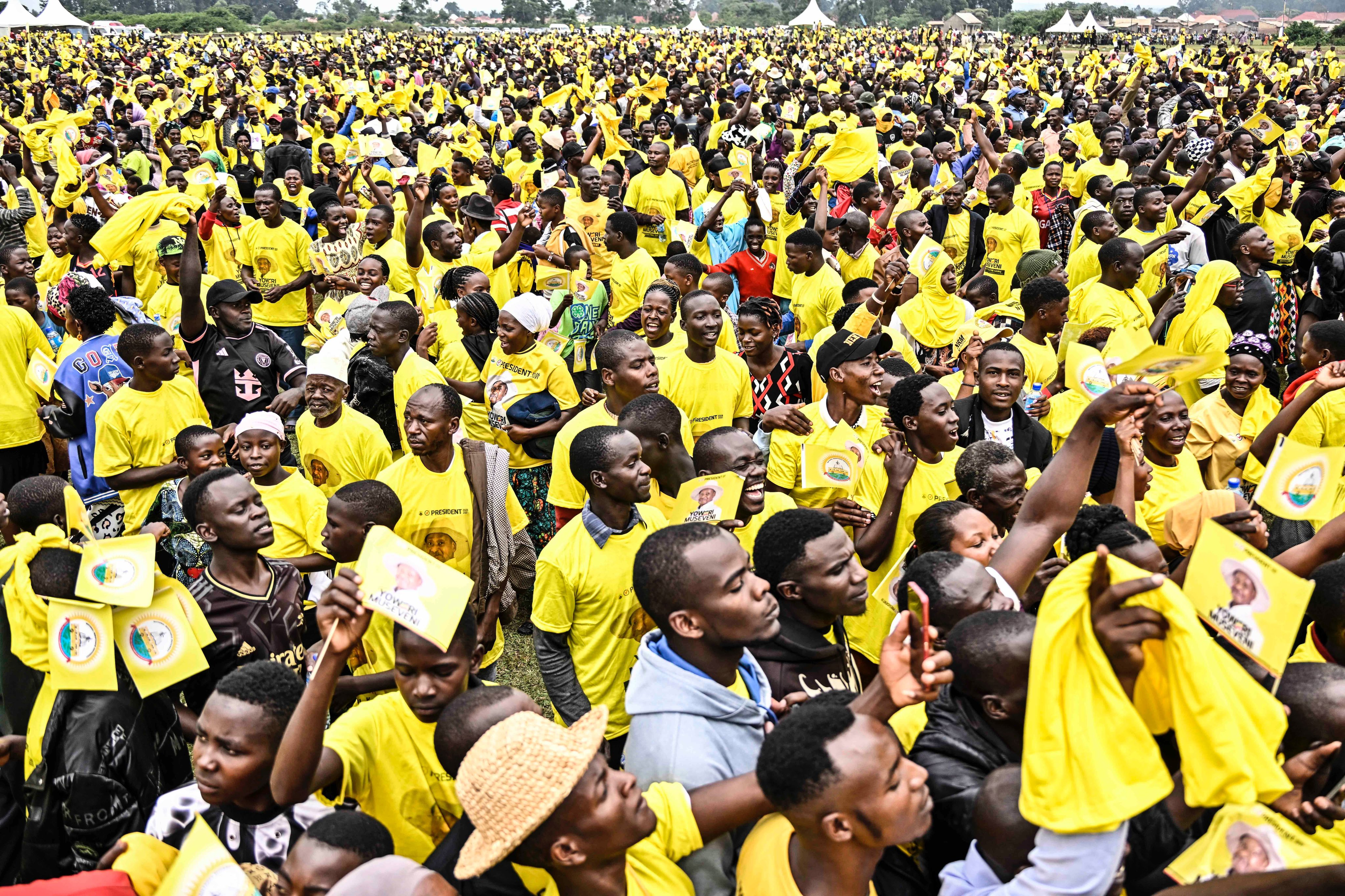
Reflecting on fighting around the Katonga area, Museveni said poor roads once defined the region. He noted that the situation has since improved and assured residents that the road to Chamuni Iwa and the road to Tufampa will soon be worked on.
Museveni also took aim at opposition leaders, accusing them of failing to support government programmes and neglecting the priorities of voters. He said development requires sequencing and discipline, arguing that government works through clear prioritisation rather than attempting to do everything at once.
On social services, Museveni said Kalungu is largely connected to the national electricity grid, with almost all sub-counties already supplied. He added that six out of seven sub-counties have Health Centre IIIs and announced that Navutongwa Health Centre II will be upgraded to Health Centre III, completing coverage across the district.
Turning to household incomes, Museveni described wealth creation as the NRM’s third major pillar, alongside peace and infrastructure. He recalled travelling across Uganda in 1995 to promote the idea that citizens should use peace the same way they use rainfall to produce food and earn income.
That message, he said, later developed into the four-acre model introduced in 1996. Under the model, farmers are encouraged to grow coffee on one acre, food crops on another, fruits on a third, and use the fourth acre for enterprises such as piggery, poultry or fish farming, particularly in swamp-adjacent areas.
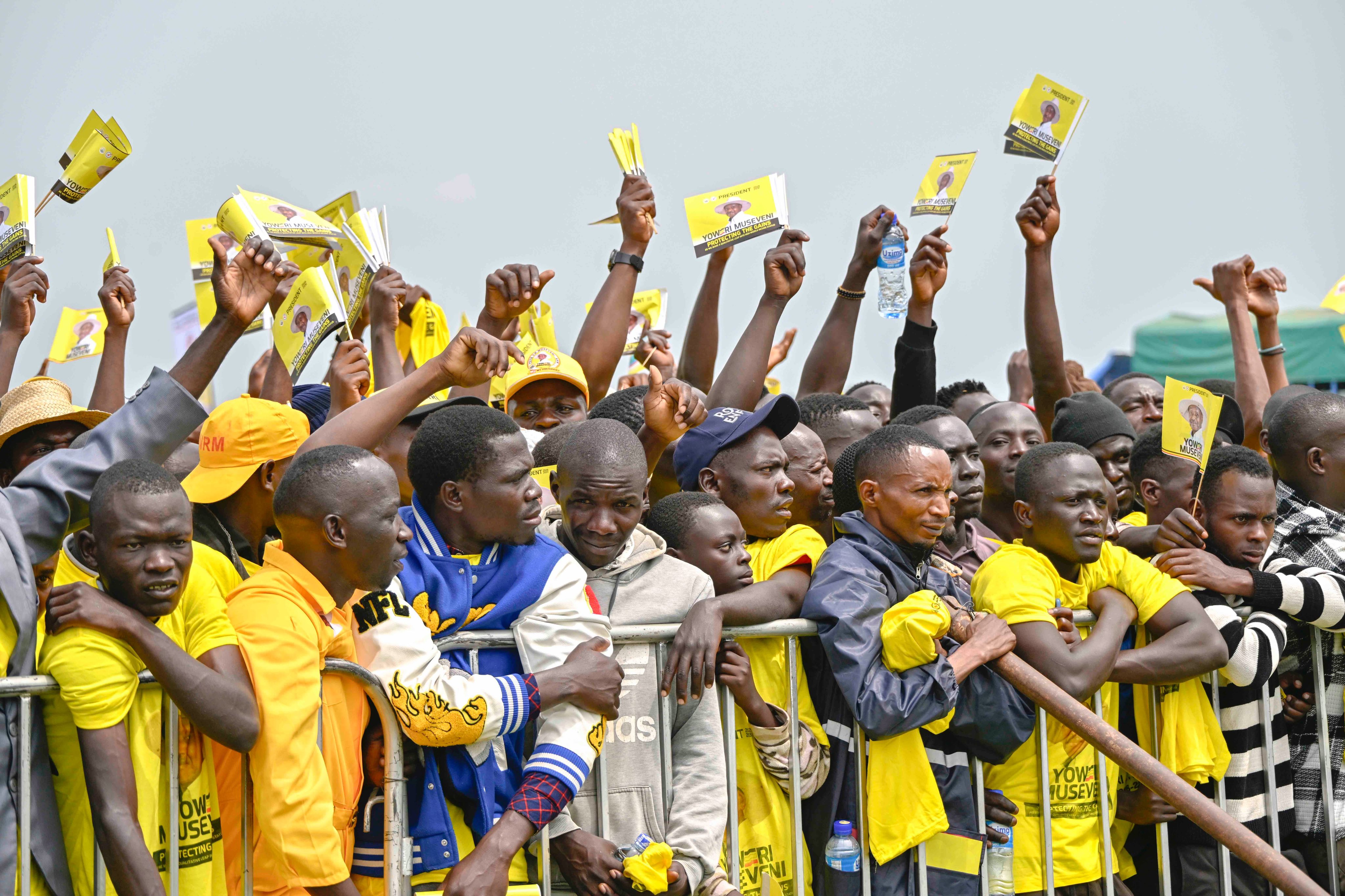
Museveni said access to water remains central to boosting production. He revealed that 93 per cent of Kalungu District is now covered by safe water, with only 17 villages yet to be connected. He urged residents to see water not only as a household necessity but also as a productive resource through irrigation.
He cited the Presidential Banana Initiative in Ntungamo, where irrigation has raised yields, and said similar interventions will be rolled out in Kalungu. Under the government’s micro-irrigation programme, he explained, water will be drawn from River Katonga and Lake Victoria to support farming, increase output and raise incomes.
As the rally ended, Museveni returned to his core message, peace is only meaningful when it translates into better lives. For Kalungu, he said, the task now is to turn roads, water and stability into lasting wealth.