
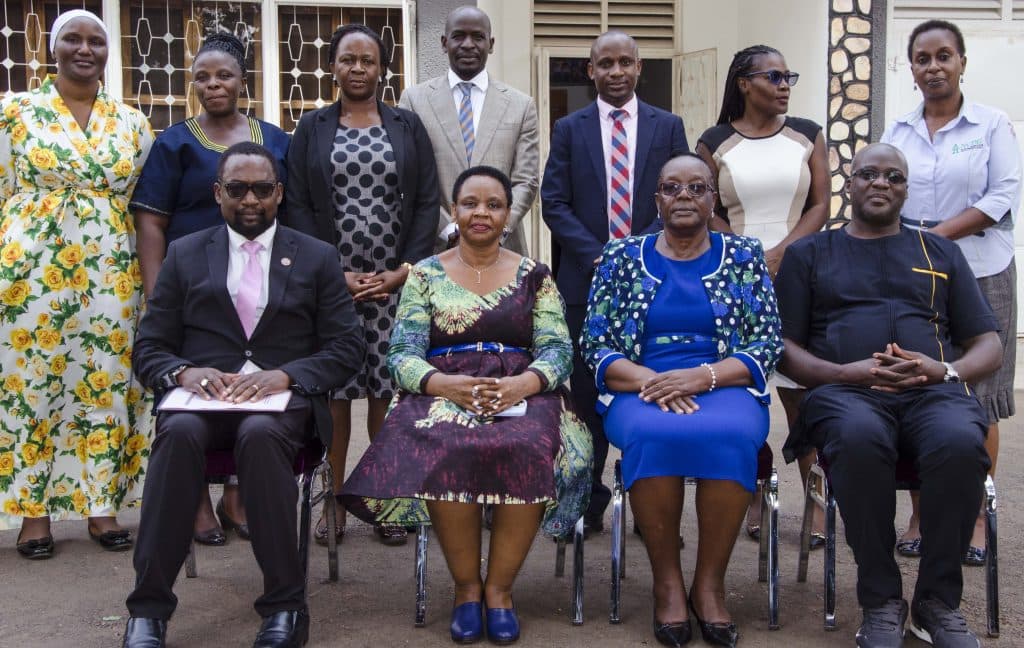
The Head of the State House Investors Protection Unit (SHIPU), Col. Edith Nakalema, has called for a stronger focus on character formation and practical skills development across Uganda’s education system to support national transformation.
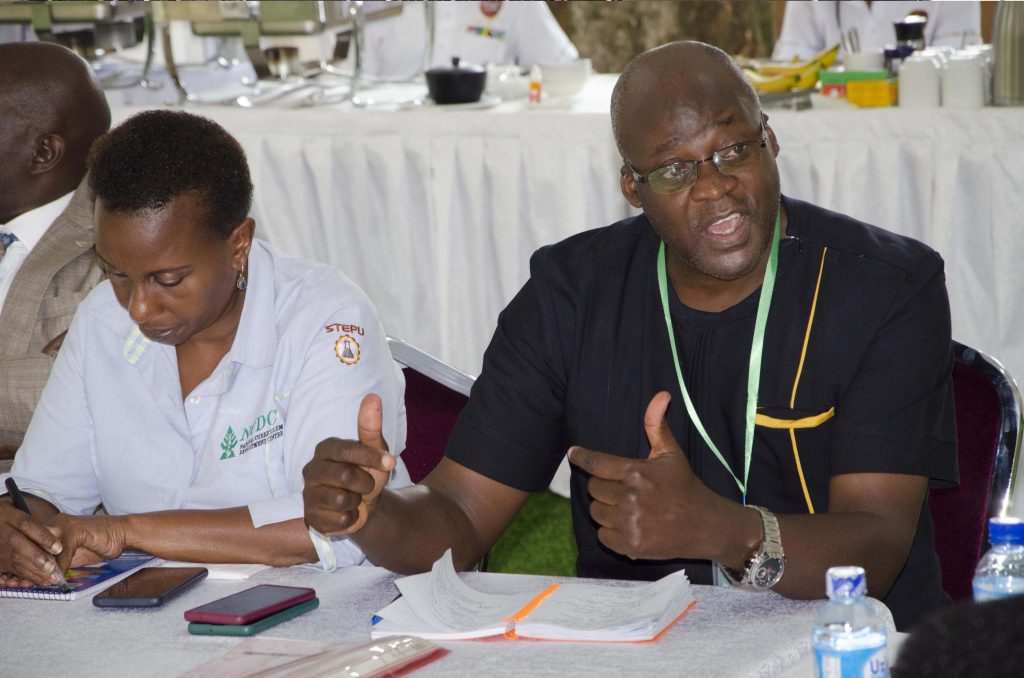
Col. Nakalema made the remarks during a meeting with officials from the National Curriculum Development Centre (NCDC) held at SHIPU offices in Kampala. She urged educators to nurture children's talents from an early age and equip them with skills that align with their interests.
“Can we have our children from primary doing something they are interested in? When we develop these children in the line they want, we will see positive results,” she said. “We should not stop at skill anticipation. We must implement and grow these skills alongside knowledge.”

Col. Nakalema emphasized that Uganda cannot afford to ignore moral decay, which she linked to the absence of character education in homes and schools. “Education today is all about cramming, no skills, and you wonder what kind of generation we are producing,” she noted.
NCDC Director Dr. Grace K. Baguma echoed Col. Nakalema’s concerns, adding that character and values such as communication and problem-solving are essential for socio-economic development. She highlighted a persistent mismatch between market demands and the skills of Uganda’s workforce.
“The mismatch burdens individuals, businesses, and government sectors, leading to chronic structural unemployment and underdevelopment,” Dr. Baguma warned.
She said NCDC is addressing this through the revised lower secondary curriculum, which emphasizes skills and values from an early stage. “We have received feedback from parents that they are beginning to see a positive attitude change among learners,” she added.
Dr. Baguma also proposed a formal partnership between NCDC and SHIPU to help guide Uganda’s long-term skills development agenda—an idea Col. Nakalema welcomed.
Dr. Bruce Kirenga, Principal of the College of Health Sciences at Makerere University, advised NCDC to engage all stakeholders in refining and implementing the curriculum. He called for a balance between talent, skills, and academic knowledge.
“The talent and skills should not go alone. They should go with knowledge if we are to get results. Create a curriculum where every child is excellent in some field,” he said. “The knowledge, when commercialized, can drive economic growth.”