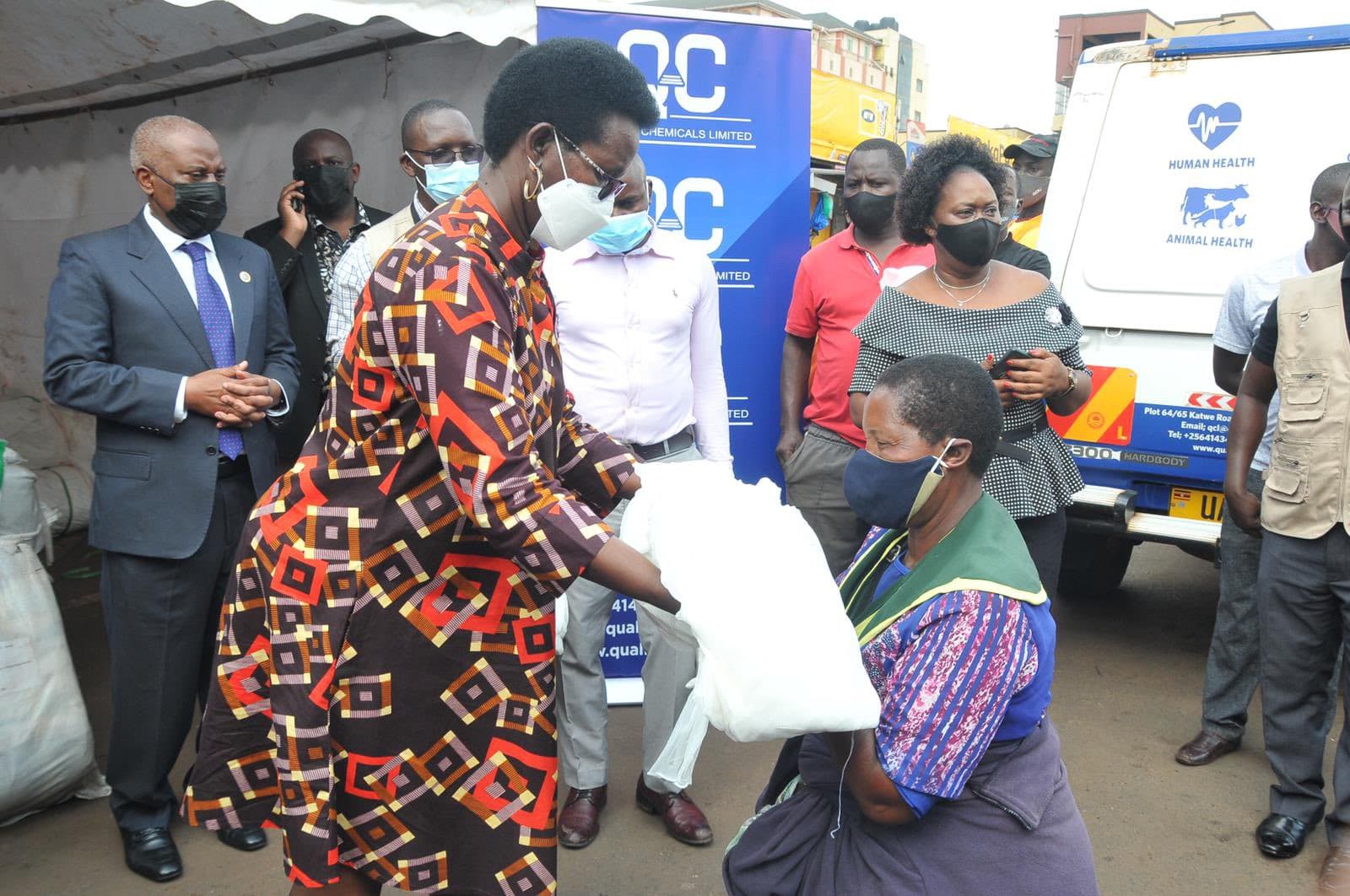
Prime Minister Robinah Nabbanja on Friday morning commissioned the exercise to distribute mosquito nets to vendors that will be staying in markets around the city.
When the president re-instituted a lockdown recently, he allowed food markets to continue operating, but vendors were told to sleep at their places of work as there are no public means of transport.
The lockdown is to last 42 days or more depending on how the country will be able to manage the spread of the coronavirus, which continues to claim lives and wreck the economy as some businesses remain closed.
Kampala Capital City Authority (KCCA) in the past days has been receiving donations to support vendors and some organizations like Quality Chemicals Limited and Equity Bank donated 2000 mosquito nets, while Ugachic Limited offered 80 (20-liter) jerricans of liquid soap.
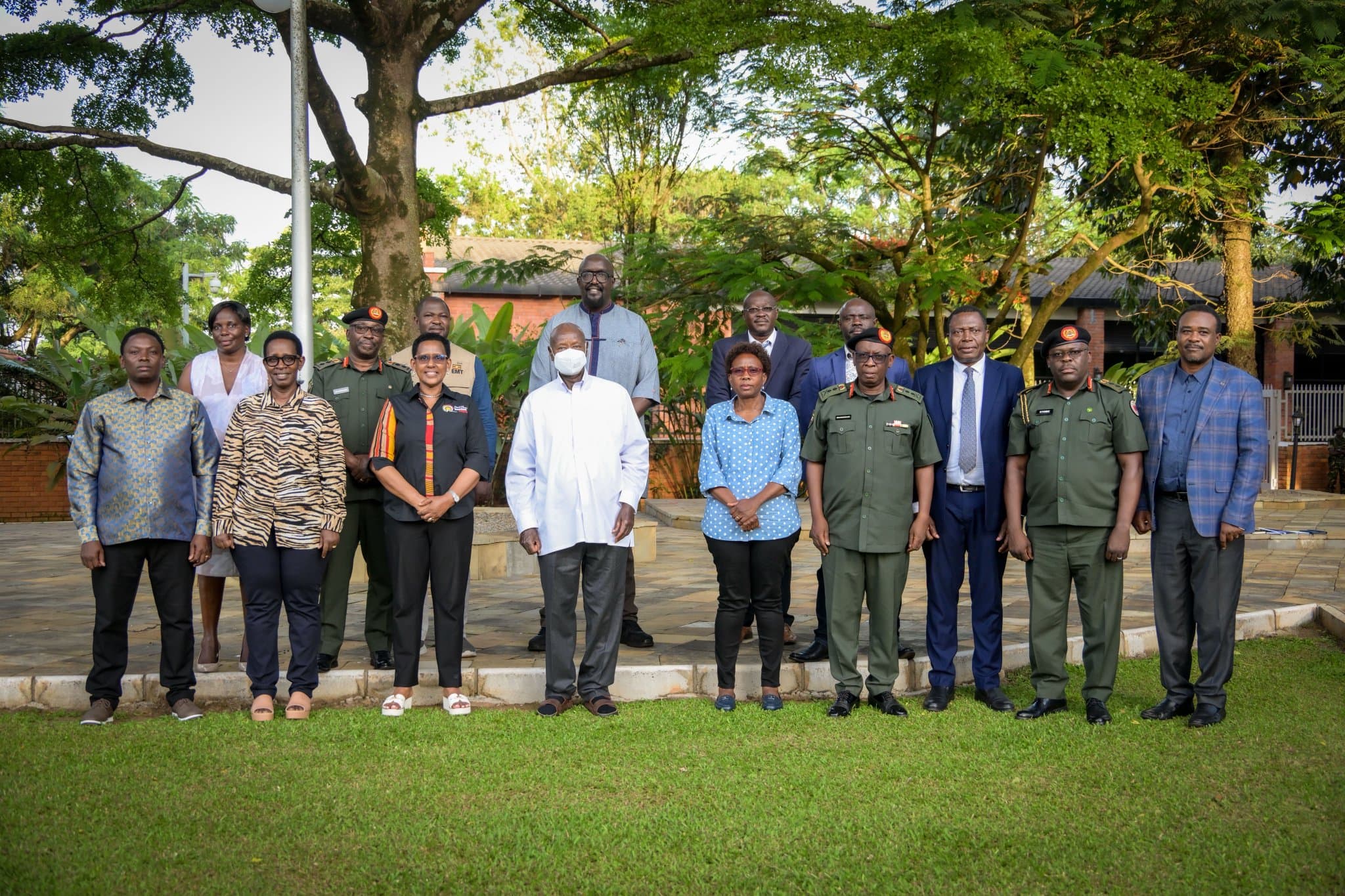
Today its vendors in Kalerwe Market who benefited from the exercise and the Minister of Health Dr. Jane Aceng and the KCCA Dorothy Kisaka were also presented at the function.
Meanwhile, the COVID-19 vaccination exercise will resume on Monday, according to Emmanuel Ainebyoona, the spokesperson of the ministry of health.
The exercise will be conducted countrywide, and in Kampala, each of the five divisions has been given eight vaccination points.
There are people who had not got their second doses and the lockdown kicked in, while some of the target groups hadn’t got the first dose.
On June 16, Uganda received the second batch of vaccines donated by the French government and containing 175,200 doses, according to WHO Uganda.
United Nations Children’s Fund (UNICEF) offered the logistical support to ship the vaccines into the country.
Uganda secured the first batch containing 864,000 doses of the AstraZeneca COVID-19 vaccine on March 5 and it was shipped via the COVAX facility, the world’s facility for universal access to COVID-19 vaccines.
Uganda targets to vaccinate 49.6 percent of the population, which is about 21,936,011, in a phased manner.
Each phase is planned to cover 20 percent of the population – approximately 4.38 million people.
The first phase of the vaccination will target health workers in public and private health facilities who by the nature of their work are at higher risk of contracting the disease compared to other categories of people.
Other target groups in order of priority are security personnel; teachers; humanitarian front-line workers, people above 50 years with underlying conditions such as diabetes, hypertension, heart, kidney, or liver disease; people aged 18-50 with the same underlying conditions; and other emerging high risk and priority essential groups as more vaccine doses arrive in the country.
So far, 834,271 people have been vaccinated as per data from the ministry of health.