Health authorities in Uganda have warned of a rise in obstetric fistula cases, citing a shortage of specialist surgeons and limited access to maternal healthcare as major barriers to treatment.
The Ministry of Health reports that Uganda records an estimated 1,900 new cases of fistula every year. Yet, fewer than 1,700 surgeries are performed annually—leaving thousands of women without life-changing treatment.
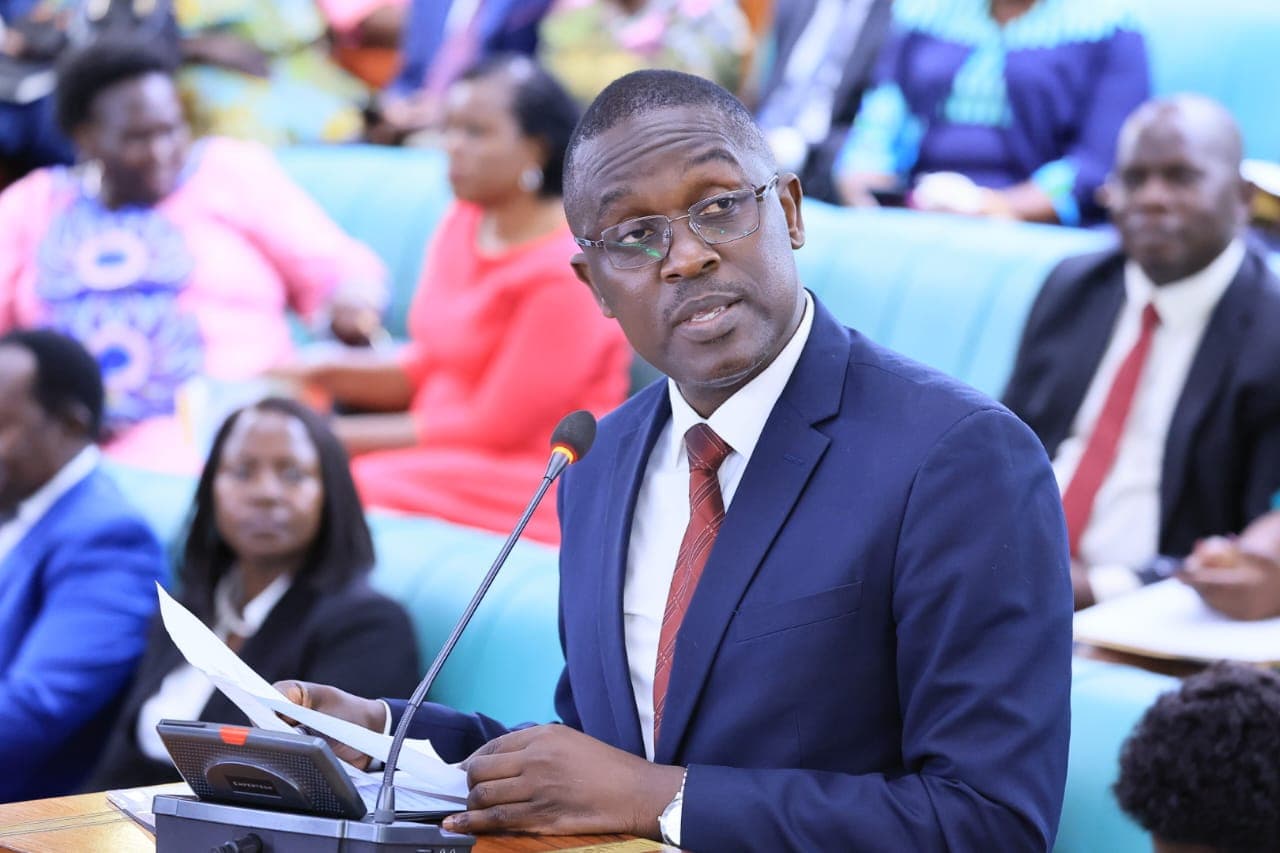
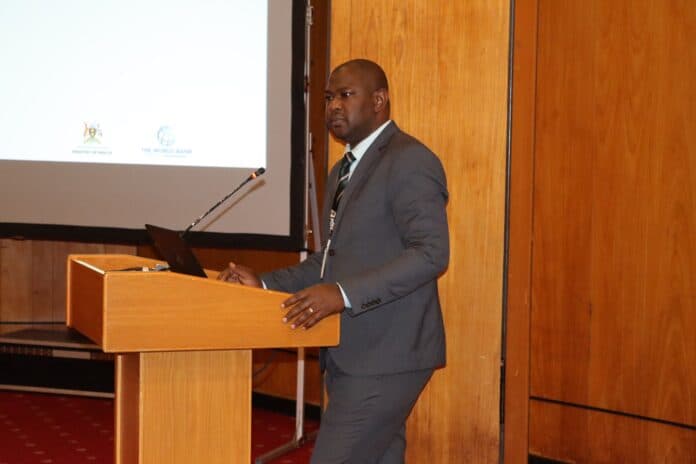
Dr. Ronny Bahatungire, Acting Commissioner of Health Services in charge of Clinical Services at the Ministry of Health, revealed that only 15 doctors in Uganda are trained in fistula care, and just five are actively performing surgeries.
“For the past two years, we were unable to conduct any fistula surgeries due to a critical shortage of specialists,” Dr. Bahatungire said. “It takes four to five years to fully train a surgeon in this field, which means Uganda still faces a significant gap in meeting the growing demand for these life-changing procedures.”
He attributed the increasing cases to multiple factors, including teenage pregnancies, continued reliance on traditional birth attendants, and delayed access to skilled care during childbirth.
“Many of these cases can be prevented if women deliver under skilled care. But in remote areas, traditional practices still dominate,” he explained.
Beyond physical health, the condition causes immense emotional suffering. Dr. Bahatungire emphasized that women with fistula often endure stigma, isolation, depression, and abandonment by their partners.
“This emotional trauma makes it even harder for them to come forward for treatment,” he said.
Dr. Godfrey Alia, one of the few surgeons specialized in fistula repair, stressed that prevention should take priority over treatment.
“The focus should not only be on how many surgeries we perform but on educating the public about how to avoid the condition altogether,” he said. “Fistula is preventable with proper care during childbirth.”
He noted that the cost of surgery—ranging from $350 to $1,000 depending on complexity—is often beyond the reach of affected women, further limiting access to care.
Dr. Richard Mwesigwa from the United Nations Population Fund (UNFPA) urged Ugandans to take collective responsibility in ending the condition.
“It is time for communities to support women living with this condition and work together to eliminate it. We must break the silence and shame,” he said.
Uganda will mark World Fistula Day on May 31 in Lira City. Experts hope the event will highlight the need for investment in maternal health, training of specialized personnel, and widespread public education to prevent more women from suffering in silence.