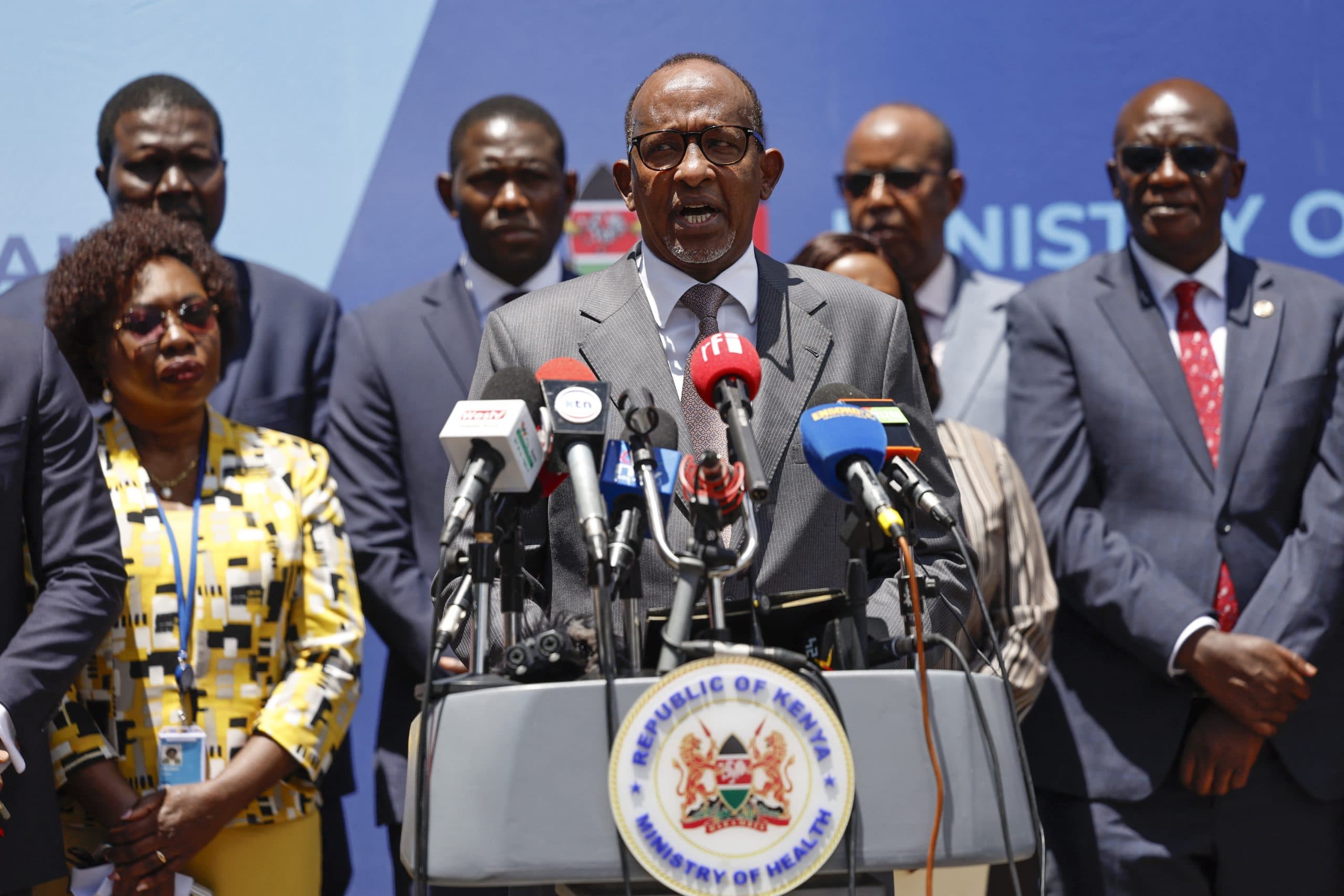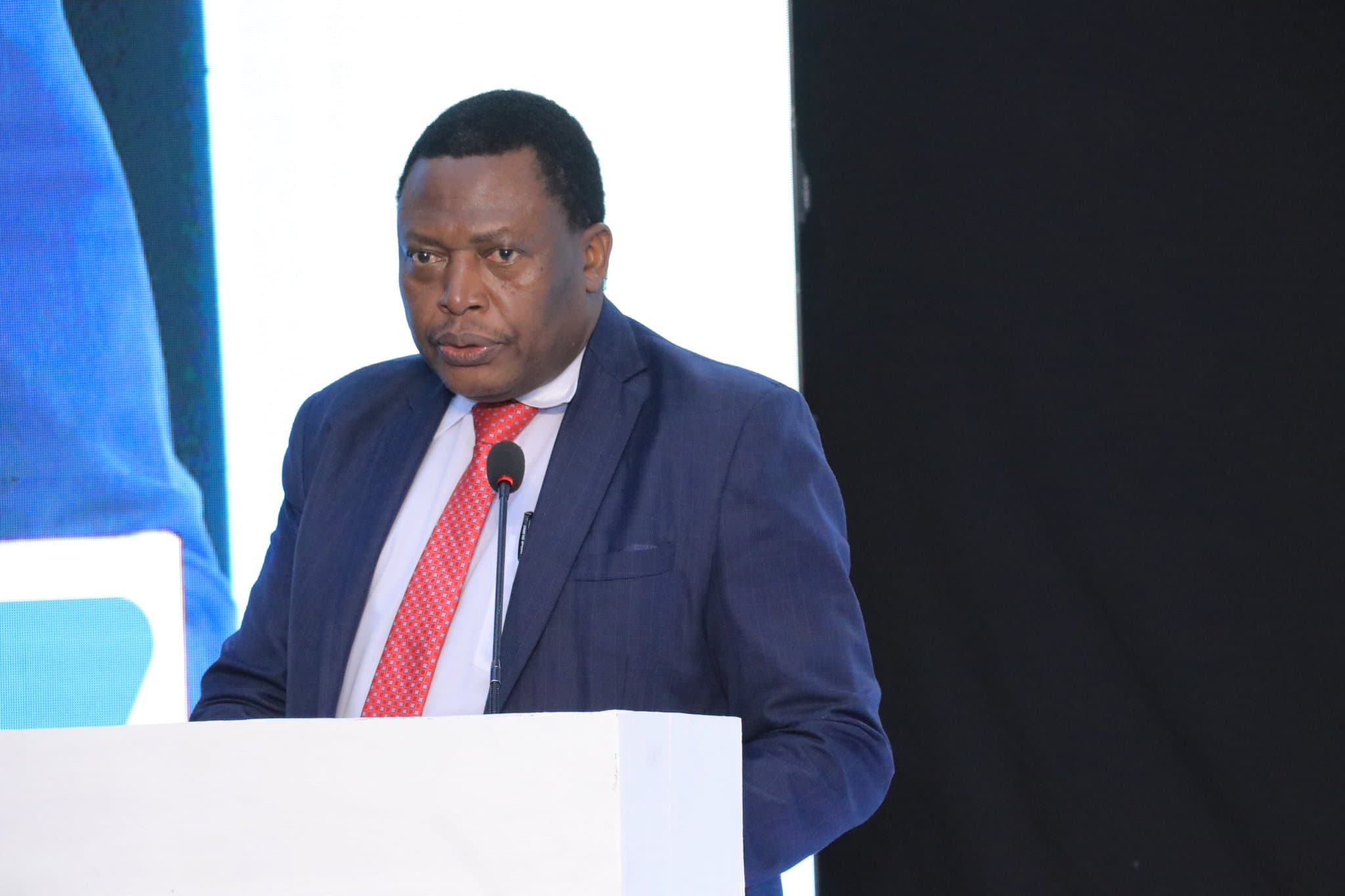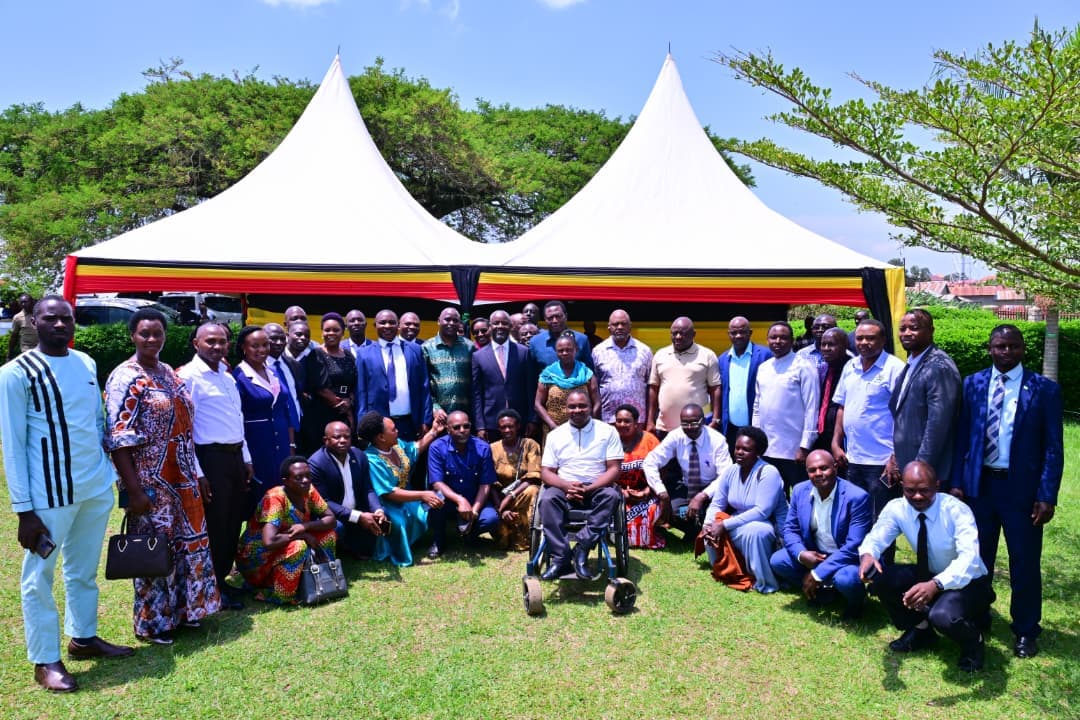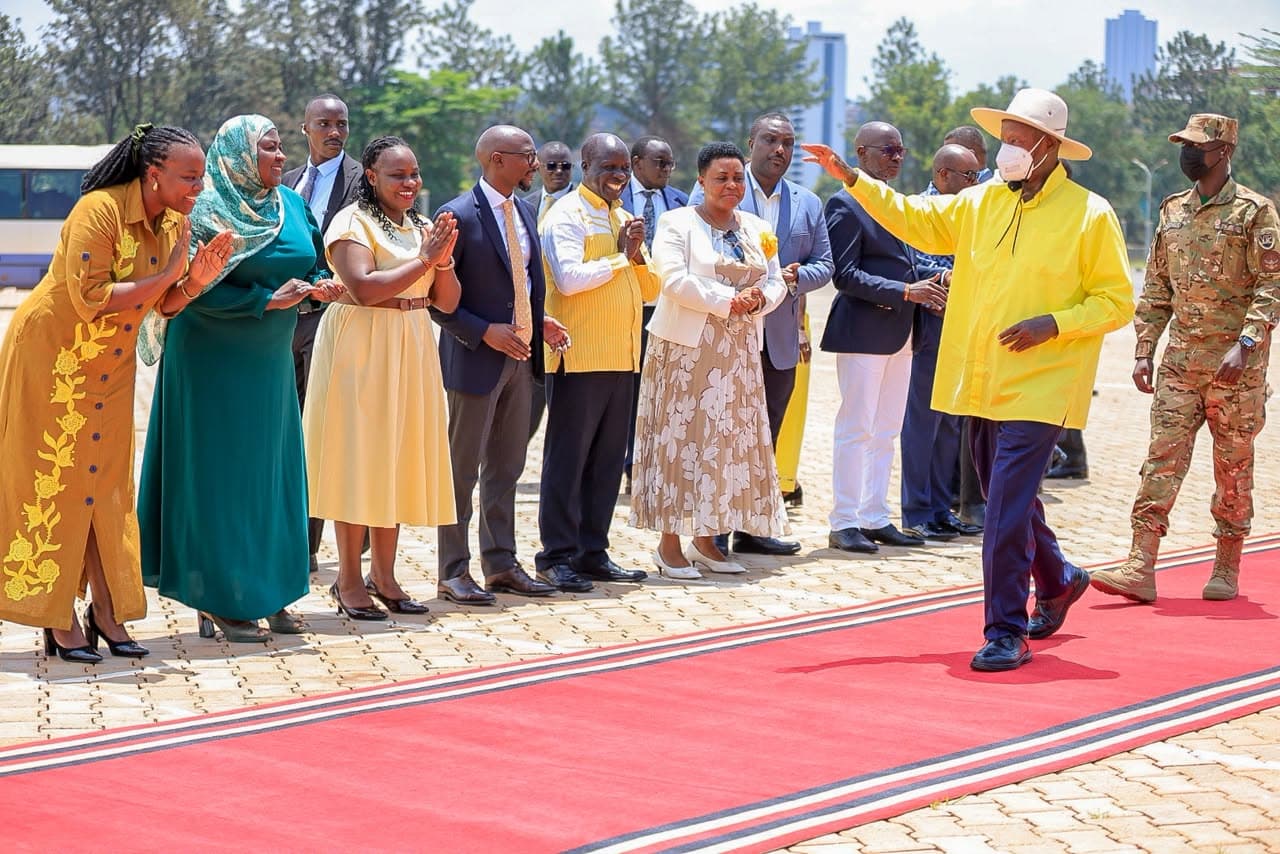

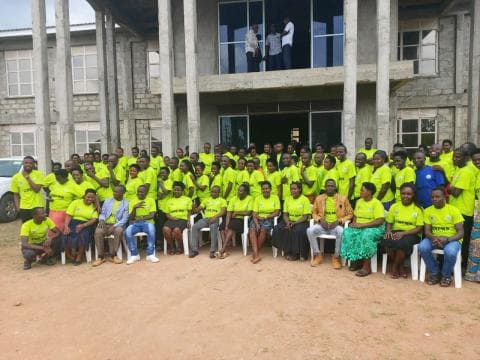
The Ministry of Health has commissioned 102 Community Health Extension Workers (CHEWs) in Kazo District to strengthen grassroots healthcare.
Presiding over the ceremony at Kazo District Headquarters, the Ministry’s Permanent Secretary, Dr. Diana Atwine, said the initiative aims to reduce disease burden through prevention and community outreach.
"This strategy is aimed at reducing health challenges at the grassroots level by strengthening the role of community health workers," Dr. Atwine said.
Each of the newly commissioned CHEWs received a bicycle and essential tools to support their work, thanks to a partnership between the Ministry of Health and The AIDS Support Organization (TASO). CHEWs will operate with a 70/30 work model—spending 70% of their time in communities and 30% at nearby health facilities.
Kazo is among 23 districts where the CHEWs strategy has already been rolled out. Dr. Atwine noted that districts with active CHEW programs are already seeing reduced disease burden.
"We will continue rolling out the program nationwide as more resources become available," she said.
She also urged the new health workers to act as responsible ambassadors of the Ministry and warned against overstepping their roles.
"CHEWs should not prescribe medicines or engage in duties designated for trained medical personnel," she cautioned.
Dr. Atwine further warned communities about the silent but deadly spread of mpox, especially through sexual contact.
Dr. Henry Mwebesa, Chairperson of the Health Services Commission, advised the CHEWs to avoid charging patients or acting harshly. He called for collaboration with Village Health Teams (VHTs) and asked district leaders to take disciplinary action against misconduct.
Kazo District Chief Administrative Officer, Hajji Badru Mayanja Majwala, commended the CHEWs for their dedication.
"Though they earn modest allowances, they are making a significant impact," he said. He also thanked the Ministry and TASO for the donated bicycles.
Kazo County MP Dan Kimosho welcomed the program, saying it will help curb preventable diseases. He also called on residents to support the government’s health initiatives.
LC5 Chairperson Rev. Samuel Mugisha Katugunda praised the professionalism of the CHEWs and encouraged them to maintain the standards taught during their training. He urged them to use their bicycles consistently to improve health service access.
The CHEWs, selected from each parish with at least one male and one female per area, underwent six months of intensive training. They expressed gratitude for the support and pledged to serve diligently.
"These bicycles will help us reach more people efficiently," one CHEW said.
The program has not only improved healthcare delivery in Kazo but also created employment for local residents.